Category
Lifestyle
Assisted Choices
Smarketing, or ‘Smart Guerrilla Marketing’ for exceptional buzz.

Trend
Smarketing: Using elements of shock or surprise can make for a very successful marketing campaign. In a society that has become a lot more savvy to standard marketing ploys, taking the unexpected approach can drive up a marketing campaign’s chances of becoming viral, talked about and remembered.
Trend themes
Using elements of shock or surprise in marketing campaigns can increase viral potential and memory retention.
Targeting consumers in unexpected ways is a great way for businesses to get noticed and gain consumer loyalty.
Leveraging the concept of real-world interaction with ads can create a conversational relationship between businesses and consumers.
Industry implications
The advertising industry can benefit from incorporating shock elements, guerrilla ads, or real-world interaction concepts in their campaigns, resulting in increased consumer awareness and memory retention.
Social responsibility professionals can use visually provocative images to promote important social causes with efficiency and effectiveness, leaving a lasting impact in the minds of customers.
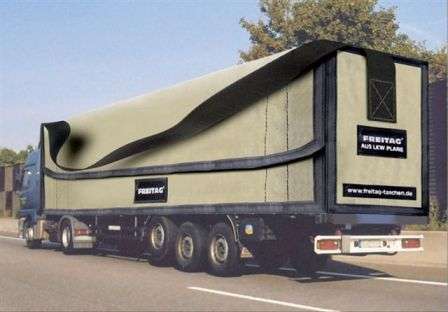
Mobile homes and other brands looking to target a European audience can use provocative trailers to revamp their advertising strategy and create a more memorable and creative communication method.
Trend signals
Trend score 5.1 out of 10, from popularity 62%, activity 84%, freshness 8%.
Evidence
Dairy Milk Gorilla Ad
Opportunity for confectionery companies to adopt guerilla marketing tactics and create engaging content that generates brand awareness and drives sales.
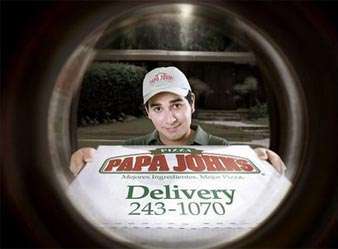
Fake Delivery Man in Your Peep Hole
Opportunity for ad agencies to create unconventional campaigns that generate buzz and increase brand visibility.
Freitag Guerrilla Campaign
The advertising industry can explore opportunities in mobile home advertising, offering unique and attention-grabbing ad spaces.