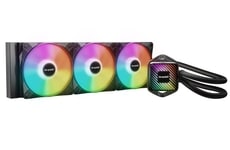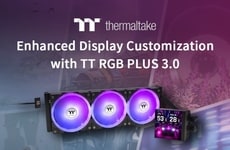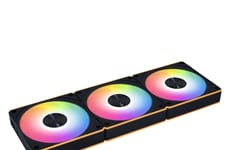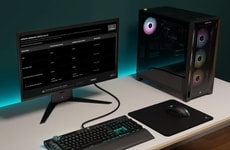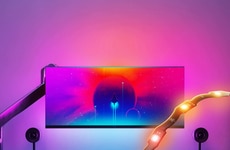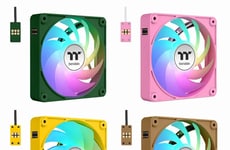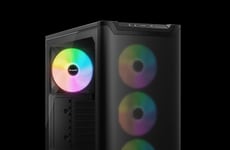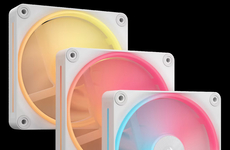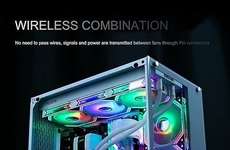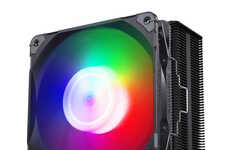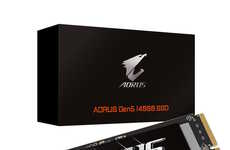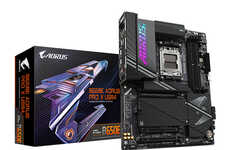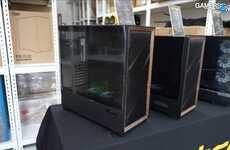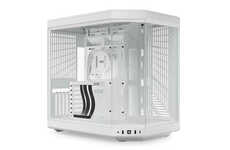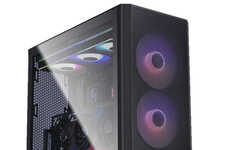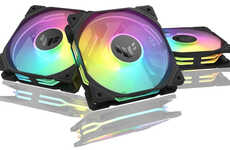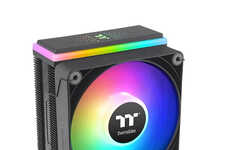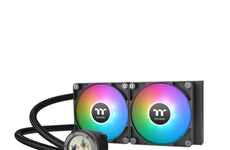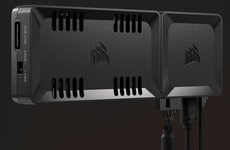
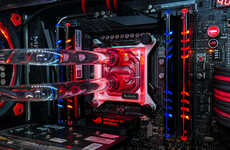
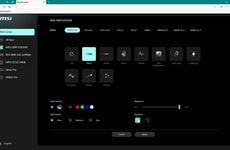
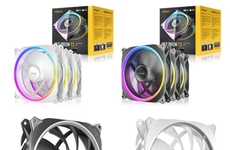
Computer brands are launching hardware and software solutions to control RGB systems
Trend - Hardware manufacturers launch unified RGB control hubs and software suites that sync lighting across hardware ecosystems. They embrace open protocols, cross-brand compatibility, mobile apps, cloud-based profile sharing, dynamic effects, and real-time audio and game integration.
Insight - Enthusiasts struggle with multiple proprietary RGB control apps, inconsistent protocols, conflicting drivers, and isolated customization pockets. They waste time toggling between tools, face lighting sync failures, and wrestle with complex configurations. Brands respond by offering all-in-one RGB hubs and unified software with open APIs and cross-device support that streamline setup, deliver low-latency effects, enable cloud-synced profiles, and foster vibrant user communities.
Insight - Enthusiasts struggle with multiple proprietary RGB control apps, inconsistent protocols, conflicting drivers, and isolated customization pockets. They waste time toggling between tools, face lighting sync failures, and wrestle with complex configurations. Brands respond by offering all-in-one RGB hubs and unified software with open APIs and cross-device support that streamline setup, deliver low-latency effects, enable cloud-synced profiles, and foster vibrant user communities.
Workshop Question - How can we streamline user experiences and foster community engagement by integrating our features across diverse platforms and devices?
Trend Themes
-
Unified RGB Control Systems — The convergence of RGB control technologies into single platforms streamlines user experiences by integrating lighting effects, device compatibility, and real-time interactions.
-
Cross-brand Ecosystem Compatibility — Brands are embracing open protocols and collaborating with others to foster seamless compatibility across diverse hardware ecosystems, offering consumers greater flexibility and control.
-
Web-based RGB Management Platforms — The shift towards browser-based lighting control solutions minimizes the need for multiple software installations, enhancing user accessibility and synchronization capabilities.
Industry Implications
-
Consumer Electronics — The rise of RGB integration in consumer gadgets opens opportunities for brands to enhance aesthetic customization while driving product differentiation.
-
Home Computing — Increased demand for customizable and intuitive lighting systems within home computing setups creates new avenues for peripheral innovation and user personalization.
-
Smart Home Technology — The integration of RGB technologies within smart home systems offers potential for creating immersive, ambient lighting environments that respond dynamically to user preferences.
4 Featured, 34 Examples:
22,088 Total Clicks
Date Range:
Jul 24 — Sep 25
Trending:
Average
Consumer Insight Topics: