
Category
Lifestyle
Baseline Support
Social media brands are taking precautions as deepfakes enter their platforms.



What's Happening
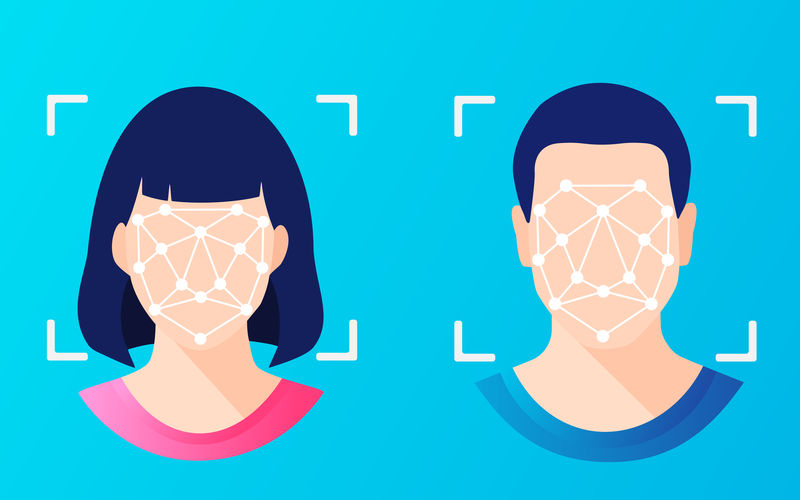
Regulated Deepfake: In the name of being able to decipher what is real and what is fake, social media platforms set guidelines and troubleshoot functional algorithms that will help them detect and flag deepfake videos that are being posted on their platform.
Insight
In the current socio-economic and political climate, in which media plays a big role in the circulation of information, consumers are wary about the content they come across. Users are especially alert of new technology that has the potential to threaten the perception of what is real and what is not, as well as user privacy. Because of shareable features, many consume news through their social media feeds, hence, there is a demand for the platforms to be strict about their content.
Evidence
The Deepfake Detection Challenge is a Lucrative Competition
The deepfake phenomenon calls for disruptive innovation in the cybersecurity industry to develop robust tools and systems for detecting and preventing the spread of deepfakes.
A New Facebook AI Can Disrupt Facial Recognition Software
The preventative facial recognition AI technology developed by Facebook is relevant to the social media industry, which could use it as a tool to prevent unauthorized tracking of…
CVEDIA's AI Solution Seeks to Put Users' Mind at Ease
Social media platforms can use CVEDIA's deepfake detection AI software to prevent the spread of harmful and false content.
Twitter Will Enact Deepfake Rules Focused on Harm Reduction
The advent of deepfake regulations in social media platforms like Twitter highlights the importance for the industry to invest in advanced AI technologies and algorithms that can…
Workshop question
How might your business be impacted by deepfake technology?
Trend signals
Trend score 3.9 out of 10, from popularity 62%, activity 46%, freshness 9%.
Trend themes
Social media platforms are developing guidelines and functional algorithms to detect and flag deepfake videos that are being posted on their platforms, creating disruptive innovation opportunities for tech companies to develop better deepfake detection algorithms.
AI systems that protect images from facial recognition software are being developed and have practical applications in the future, creating disruptive innovation opportunities for tech companies to develop better facial recognition systems.
Deepfake detection software competitions are emerging globally as the dire need for a solution is growing rapidly, creating disruptive innovation opportunities in the deepfake detection sector.
Industry implications
Technology companies have an opportunity to create cutting-edge algorithms and software to detect deepfakes, breaking into a new market space in artificial intelligence and software development.
The rise of deepfakes has created an urgent need for social media platforms to develop algorithms and guidelines to detect and reduce the spread of such videos, creating disruptive innovation opportunities for social media companies to create 'anti-deepfake' infrastructure.
The detection of deepfakes has given rise to a new arms race to develop AI-driven platforms and deepfake detection models, creating disruptive innovation opportunities for companies in the AI industry to research and develop models to detect forgeries.