



Category
Lifestyle
Assisted Choices
Designers are using fruit and vegetable peels in the development of collections.

Trend
Peel Use: In order to strike a unique aesthetic, as well as develop a concept that embraces the importance of sustainability in a way that could possibly impact the industry at-large, designers are releasing clothing, furniture, and other objects that employ food waste—more specifically, peels.
Insight
Aside from the strong emphasis on aesthetics and novelty that contemporary consumers place when making a purchasing decision, many are also concerned about the environment. As a result, the demand for greater sustainability grows across all product categories. Individuals, especially those who prioritize style, are looking for creative and unique solutions that allow them to feel confident through interesting and eye-capturing aesthetics, while simultaneously being environmentally conscious for peace of mind.
Trend themes
More designers are using food waste such as fruit and vegetable peels as a way to create unique and sustainable fashion collections.
Product designers and material scientists are using waste materials, such as potato peelings and corn husks, to create new and innovative materials that can be used in construction, furniture, and home decor.
The use of natural pigments made from plant-based waste materials, such as fruit and vegetable peels, is being embraced by artists and designers looking for a non-toxic, sustainable alternative to traditional artificial pigments.
Industry implications
The fashion industry can incorporate sustainable practices, embracing the use of waste materials as a way to create unique, eco-friendly clothing and accessories.
The construction industry can explore the use of alternative materials made from waste, such as potato peelings and bamboo, as a way to reduce waste and environmental impact.
Artists and designers can harness the power of natural pigments made from plant-based waste materials as a way to create unique pieces that are non-toxic and sustainable.
Workshop question
Trend signals
Trend score 4.0 out of 10, from popularity 55%, activity 56%, freshness 9%.
Evidence
Vollebak's Plant and Pomegranate Hoodie is Fully Biodegradable
The emergence of compostable clothing and the focus on sustainable fashion are disrupting the traditional fashion industry and creating opportunities for alternative, eco-friendly…
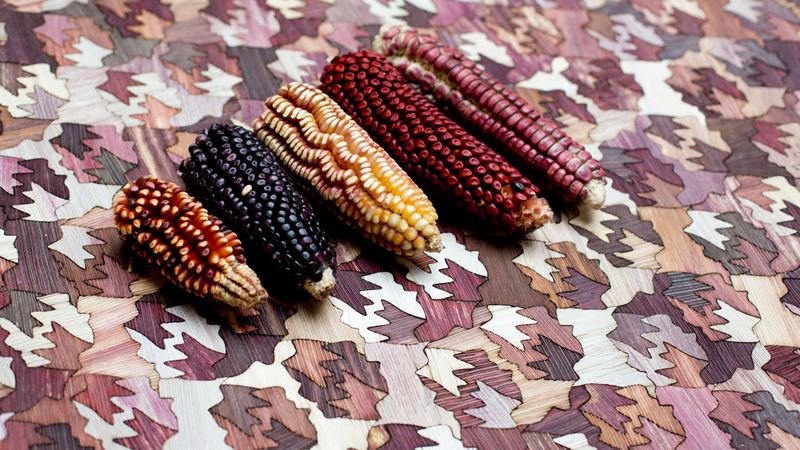
Fernando Laposse Creates Totomoxtle as an Example of Circular Economy
Leveraging circular materials and sustainable design practices to create eco-friendly furniture and home decor products.
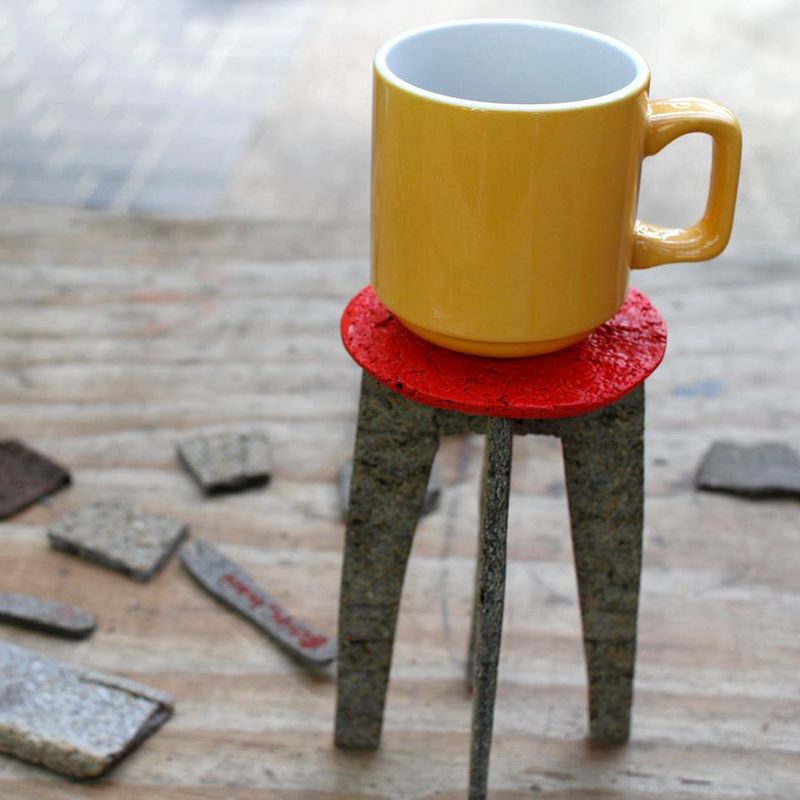
Chip[s] Board Offers an Alternative to Traditional MDF
Chip[s] Board's potato-based material presents an opportunity for disruptive innovation in the furniture manufacturing industry.
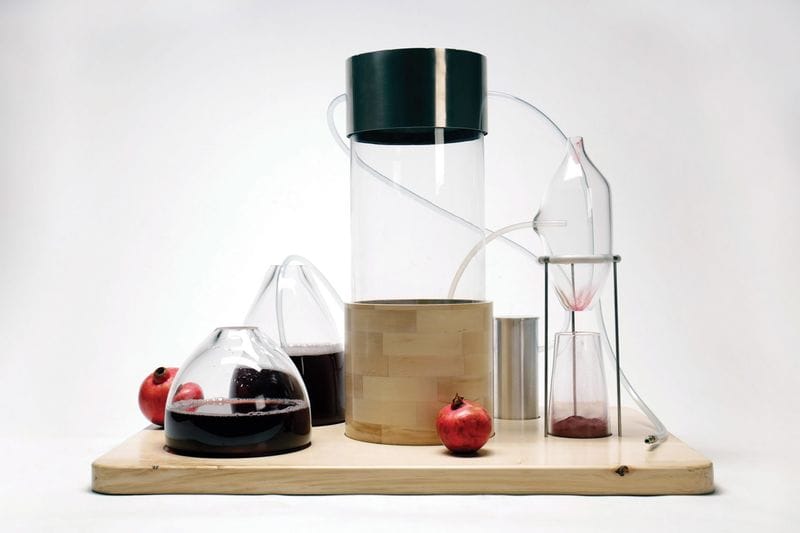
'Kaiku' Creates Natural Pigments from Fruit & Vegetable Waste
The textile and fashion industry can tap into Kaiku's natural pigment-making machines to produce sustainable dyes for fabrics, revolutionizing the way colors are applied to clothi…






