



Category
Lifestyle
Assisted Choices




Trend
Naughty Housewares: Your home is your haven, a place where you don't have to answer to anyone -- or explain yourself. With this in mind, product designers are creating crude and provocative housewares that appeal to consumers' more risque tastes. These novelties allow people to indulge in humor as well as their naughtier sides, without public judgment.
Trend themes
From phallic pillows to kinky furniture and honest embroidery, designers are creating crude and provocative housewares that appeal to consumers' more risque tastes.
Designers are creating novel home decor that incorporates humor and allows people to indulge in a more playful side.
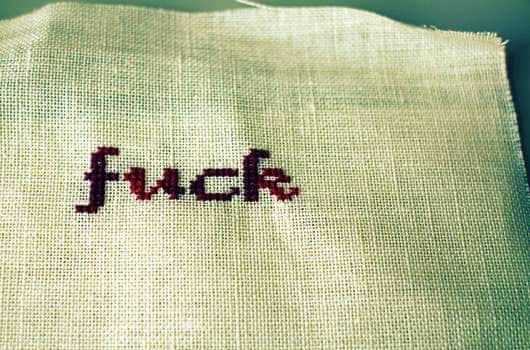
Craftspeople are modernizing traditional art forms such as embroidery by stitching swear words and sexual innuendo into them.
Industry implications
Business professionals in the home decor industry can reference the trend of incorporating humor and risque elements to create novelty pieces.
Craftspeople can reference the trend of modernizing traditional art forms to create edgier, more unconventional pieces and tap into new markets.
Business professionals in the gift industry can reference the trend of creating humorous and suggestive novelty items for consumers looking for a laugh or shock value.
Trend signals
Trend score 5.7 out of 10, from popularity 83%, activity 78%, freshness 8%.
Evidence
Crafty Cauchy09 Puts You in Stitches With Her Honest Embroidery
Disruptive innovation opportunity: Develop an online platform that offers specialized materials and tools for modern and unconventional embroidery techniques, catering to the need…
Mike Meire Shows the Dark Side of Furniture
Furniture manufacturers can explore new designs that incorporate edgier elements like black leather and chains.
‘Love the Bird' is a Sensual Lighting Solution
Innovations in the lighting industry to incorporate unique and unexpected features.
The Scantily Clad Booty Pillows Offer Cushioned Comfort and Instant Company
The home decor industry can explore incorporating humorous and unconventional products like the Booty Pillows to cater to consumers seeking unique and playful items for their livi…
The KnittingKneedle Etsy Store is a Naughty Alternative to Home Decor
The handmade nature of crocheted phallic pillows presents an opportunity for artisans and small businesses in the handicrafts industry.


