
Category
Business
Persona Assortments
Morbidity is becoming more prevalent in advertising and art.



What's Happening
Deathvertising: Today’s consumer is becoming increasingly desensitized to shock tactics, with murder fascination marking a milestone in what’s acceptable. With gory deaths and dark demises appearing in everything from art to fashion, feeding into the darker side of consumer behavior and the deep captivation with the end of human life may be just what helps a brand become top of mind.
Evidence
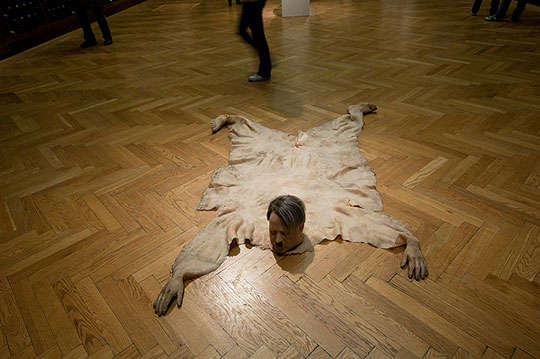
Artist Richard Stipl Envisions Hitler as a Bear Skin Rug
The art and design industry can leverage controversial and provocative themes to attract audiences who are interested in exploring challenging aesthetics and pushing boundaries.
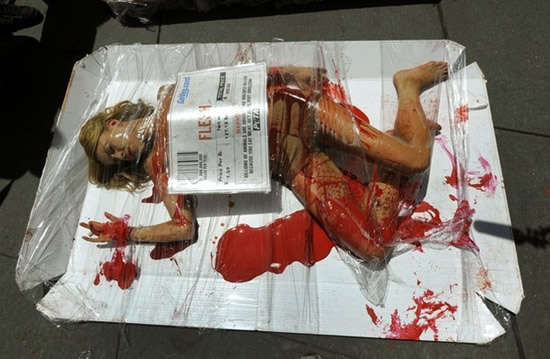
PETA Reprises Their 'Meat is Murder' Shockvertising Stunt in Times Squar
Disruptive innovation opportunities in creating unique and attention-grabbing campaigns that challenge conventional norms and spark conversation.
Eric Anderson by Kourtney Roy Takes a Murderous Machination
Opportunity to push boundaries and captivate audiences with edgy and provocative visuals.
'Blood' from Irwan Mono is Bloody and Violent
Photography industry can tap into the demand for dark and disturbing visuals by offering specialized services and products that cater to clients looking for unconventional art for…
Alexander Fedorov's '5 Handbags' Proves That Even Coach Can Be Creepy
The fashion accessories industry can capitalize on the demand for innovative and unconventional handbag designs.
Trend themes
The use of morbid and disturbing images in art and advertising is becoming increasingly popular.
Businesses are using shocking and provocative content to capture the attention of consumers and stand out in crowded markets.
Photographers are pushing the boundaries with edgy and controversial photoshoots that feature violence and gore.
Industry implications
Artists and designers are incorporating dark and disturbing imagery into their work to evoke strong emotions and provoke reactions from their audiences.
Brands are using shock tactics and provocative content to create memorable campaigns that capture the attention of consumers and differentiate themselves from competitors.
Fashion photographers and designers are creating edgy and provocative pieces that include violent and morbid themes to appeal to niche audiences who are drawn to these controversial styles.
Trend signals
Trend score 4.6 out of 10, from popularity 62%, activity 67%, freshness 8%.