Category
Lifestyle
Baseline Support
Exploiting consumer familiarity to move your product.


What's Happening
Misleadvertising: Sex, violence and celebrities will always be able to move products, which is why brands are exploiting what consumers already are familiar with to coerce consumers to notice their products. Your product doesn't actually need to be related to these no-brainer tactics--it just has to capitalize on them.
Evidence
Online Game Evony's Ads Deceivingly Imply Sexual Content
Opportunity for advertising agencies to develop innovative strategies that focus on transparency and ethical marketing practices.
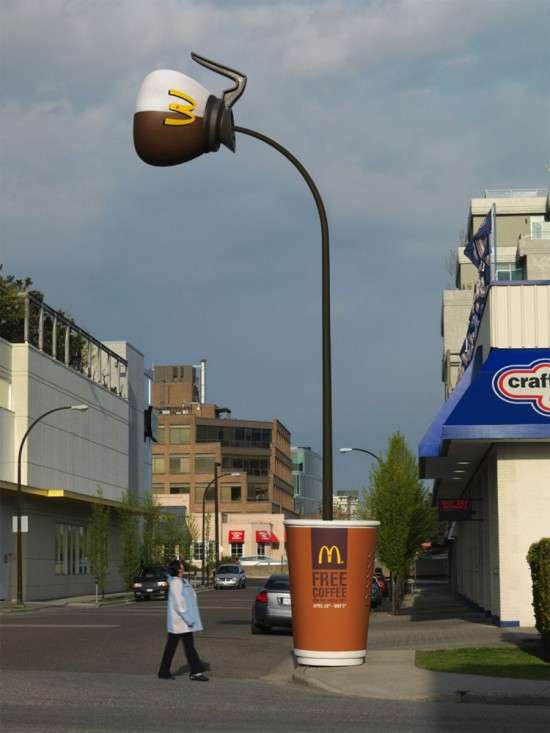
McDonald's Coffee Heats Up the Advertising World
The food and beverage industry can leverage optical illusion promotions to attract and engage consumers, ultimately driving increased sales and brand loyalty.
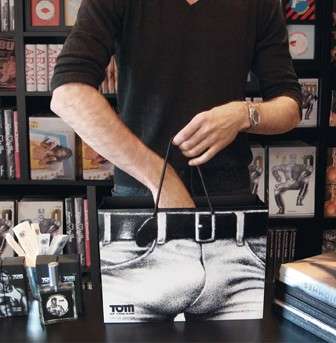
Tom of Finland Shopping Bag Creates Cheeky Illusion
Opportunity for ad agencies to explore new ways of capturing consumer attention and breaking through the noise.
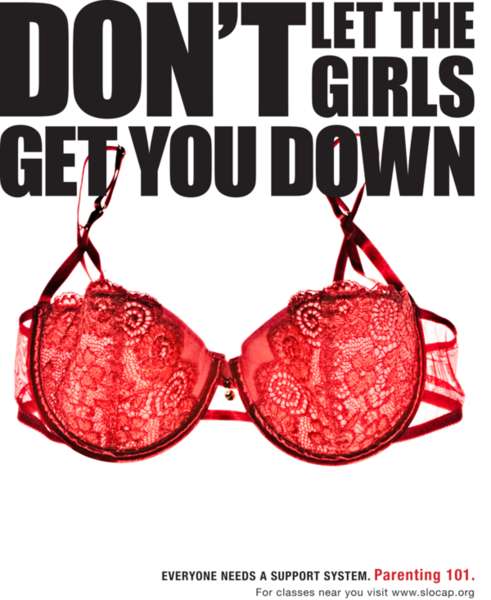
Sexy Advertisements Bring in Attention to 'Parenting 101'
Opportunity for advertising agencies and businesses to leverage flamboyant and provocative ads to attract consumer attention and drive brand awareness.
BBDO Advertising Agency Plays Off the Iconic ‘Bloods' Gang Symbol
Disruptive innovation opportunity for agencies to create unconventional and attention-grabbing campaigns.

Boysen Paints Blooms on the Advertising Scene
Paint companies can use innovative advertising techniques to highlight their eco-friendly and water-based products.
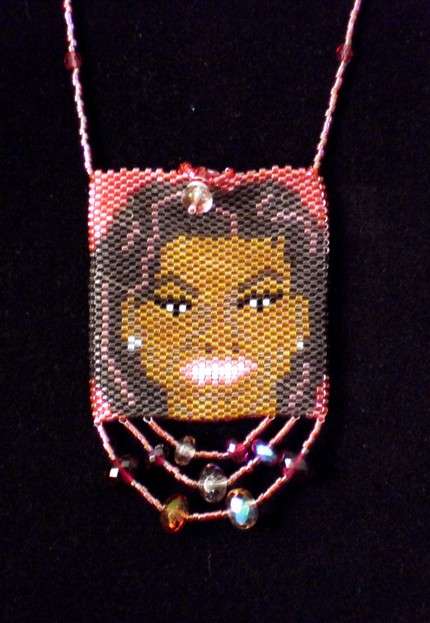
The Michelle Obama Beaded Amulet Wards off the Evil Eye and Looks Cool
The trend of beaded amulets highlights an opportunity for artisan jewelers to create unique and handcrafted pieces with personalized designs.
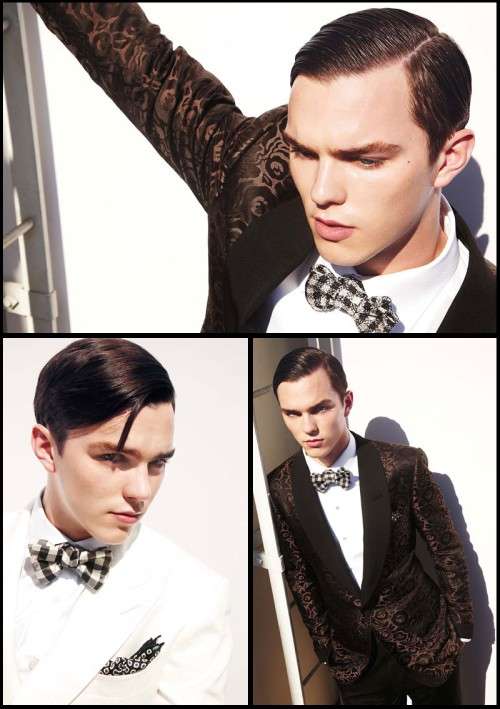
The Tom Ford ‘A Single Man' Editorial Looks like Ed Westwick
The advertising industry can benefit from utilizing celebrity look-a-likes in campaigns.
Trend signals
Trend score 5.4 out of 10, from popularity 74%, activity 80%, freshness 8%.
Trend themes
Corporations are resorting to sexually overt or other shock tactics to recapture the attention of prospective customers.
Using optical illusions in outdoor advertising to attract customers and generate buzz.
Using celebrity or celebrity look-a-likes in advertising campaigns to save money on advertising costs while retaining public figure recognition.
Industry implications
These trends have direct implications for the advertising industry, changing the way that companies create and deliver their campaigns.
These trends have implications for the retail industry in terms of the way that companies market and sell their products.
These trends have implications for the fashion industry, specifically the use of shock tactics and look-a-likes in campaigns.