Category
Lifestyle
Gentle Diagnostics
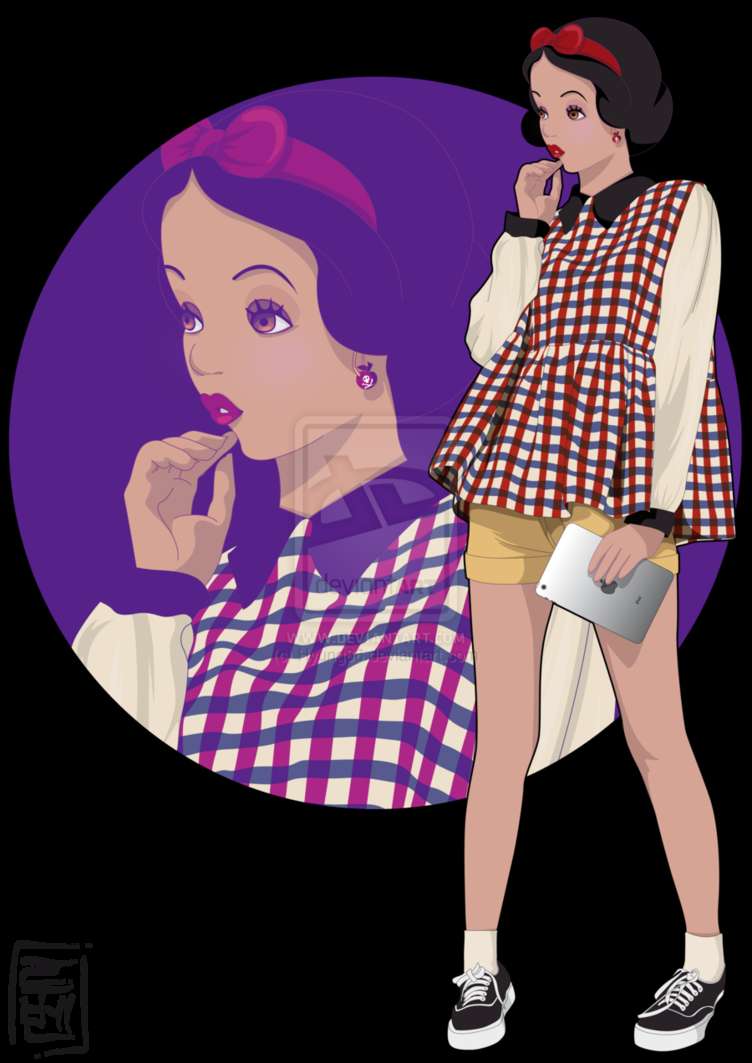
Cartoon characters are given adult makeovers that reinforce reality.

What's Happening
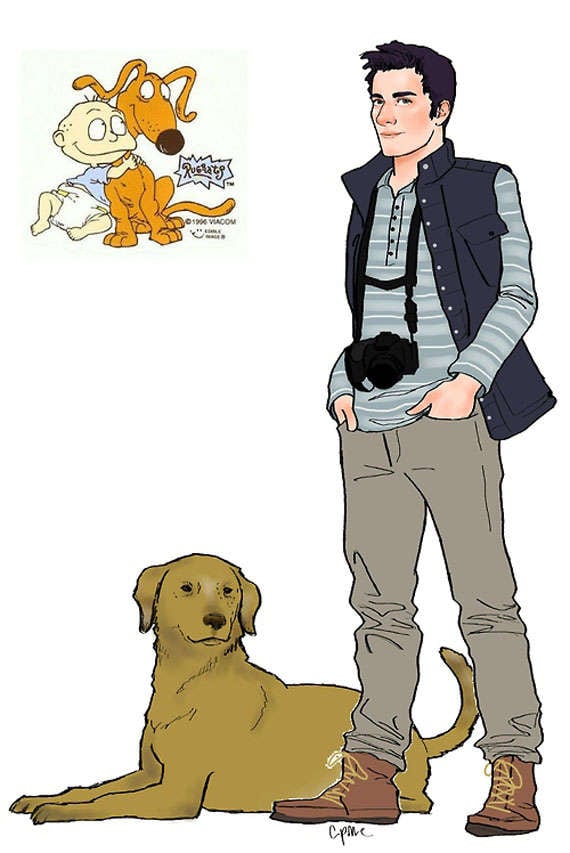
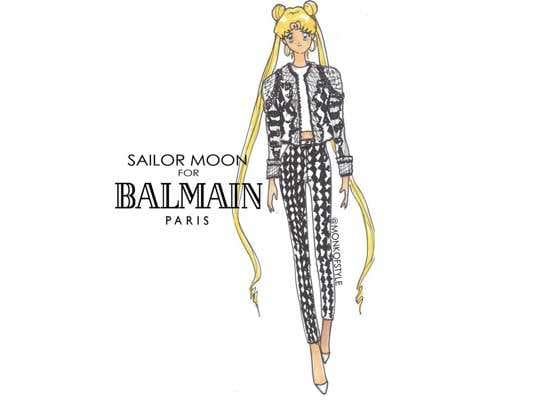
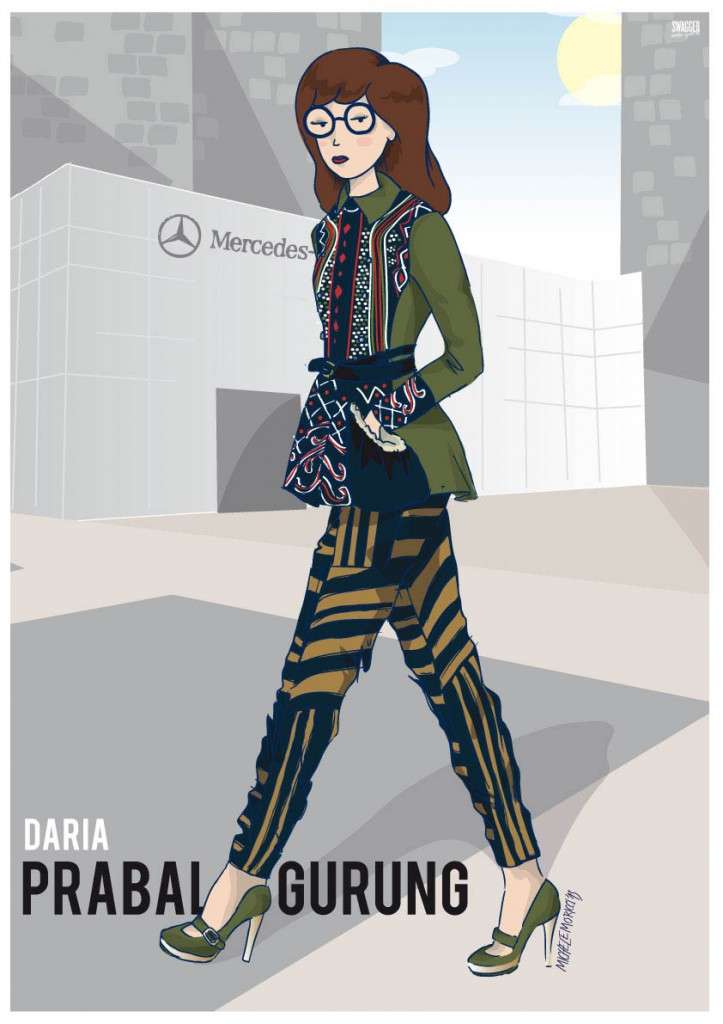
Matured Childhood: While cartoon characters used to remain untouched by time, realistic makeovers bring them into the present and provide further tangibility for consumers that long for childhood nostalgia. Negating Peter Pan syndrome, grown up cartoons acknowledge reality and reinforce that childhood doesn't have to end, but can rather grow with them.
Trend themes
Realistic makeovers of cartoon and fairy tale characters provide further tangibility for consumers that long for childhood nostalgia.
Re-imagining beloved cartoons and fairy tale characters as fashionable helps bring youthfulness to classic characters.
Nostalgic remembrances of childhood cartoons are given a mature update, showing what favorite characters would look like as adults.
Industry implications
Entertainment companies can explore partnerships and collaborations to modernize beloved characters and reach a wider audience.
Fashion companies can incorporate beloved cartoon and fairy tale characters into their designs to add a playful, nostalgic touch to their collections.
Artists can re-imagine classic characters to engage their audience, evoke nostalgia, and showcase their creativity and talent.
Trend signals
Trend score 5.9 out of 10, from popularity 82%, activity 87%, freshness 8%.
Evidence
'Disney University' Takes Classic Characters Back to School
The entertainment industry can take advantage of the trend by creating new properties or updating classic ones in order to appeal to new and existing audiences, potentially increa…
These Grown Up Cartoon Characters Bring Back Child-Like Memories
Potential for animation studios to create spin-off series or movies that depict cartoon characters as adults.
Jerome Lamaar Takes Cartoon Characters Into the New Century
Incorporating popular cartoon characters into high-end fashion brands can attract new customers and generate brand collaborations.
Grown Up Magic School Bus Characters are Full-Fledged Adults
Opportunity for production companies to develop new animated series or films featuring popular characters from childhood with mature storylines.
Michele Moricci Fashionably Updates 90s Cartoon Character Outfits
Providing opportunities for collaborations between fashion designers and media companies to revive beloved cartoon characters in a fashionable way.