Category
Life-Stages
Constructible Franchises
Products built with adjustability to accommodate growing children.

Trend
Kidaptive Design: As both parents and designers know, caring for a child is expensive. As children get older, products that once fit them as babies are no longer suitable, meaning that parents must continue to spend money on new products. However, there is a growing direction in 'kidaptive design,' designs that are adjustable and adaptable to a growing child's needs. These include everything from furniture to footwear that will adjust in width and height, ensuring the product can still be used by the child and thereby alleviating financial stress from parents.
Trend themes
Designs that are adjustable and adaptable to a growing child's needs.
Designs that can be modified over time to fit the changing needs of babies and children.
Products that can be adjusted to grow with a child, saving parents money and reducing waste.
Industry implications
Manufacturers can incorporate modular and expandable designs to their products, offering parents a more sustainable and cost-effective option.
Companies can develop innovative designs that can expand, adjust, or grow with a child's foot to reduce waste and improve usability and comfort.
Professionals can create versatile and adaptive furniture that adjusts to multiple stages of a child's growth, offering value and convenience to parents.
Trend signals
Trend score 3.4 out of 10, from popularity 49%, activity 45%, freshness 8%.
Evidence
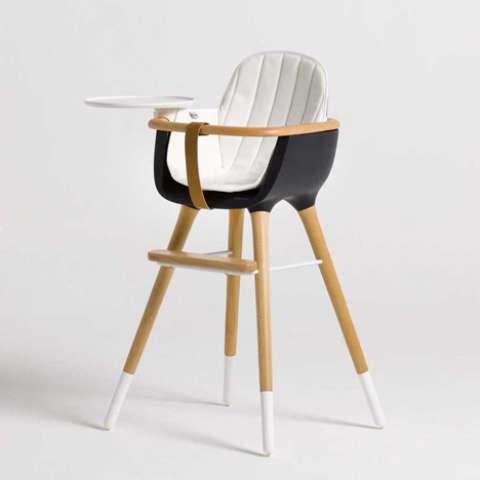
The Ovo High Chair is Designed to Grow with Your Child
The baby product industry can focus on designing innovative and stylish products that cater to modern aesthetics.
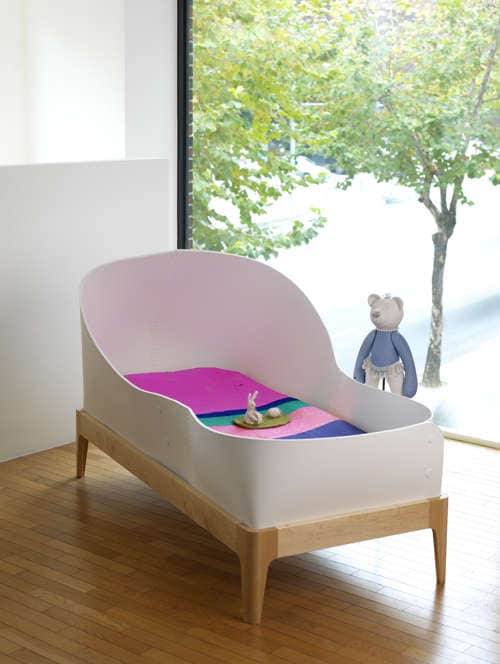
The Ahye Childrens Bed Has a Super Sleek Design
Manufacture modern and innovative children's beds that meet the demands of design-conscious parents seeking safe and stylish bedroom furniture.
GROW Bicycles Expand Their Frame as Your Children Age
Bicycle manufacturers can explore the adjustable feature of GROW Bicycles and incorporate similar designs into their products, offering a versatile and longer-lasting option for c…
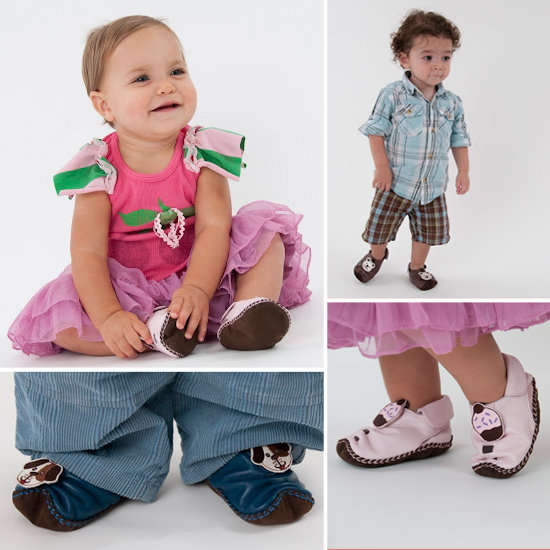
The Shupeas Expandable Baby Shoe Fits Tots Between 3 and 20 Months
The expandable and adjustable design of the Shupeas Expandable Baby Shoe presents a disruptive innovation opportunity for the baby products industry to create more functional and…
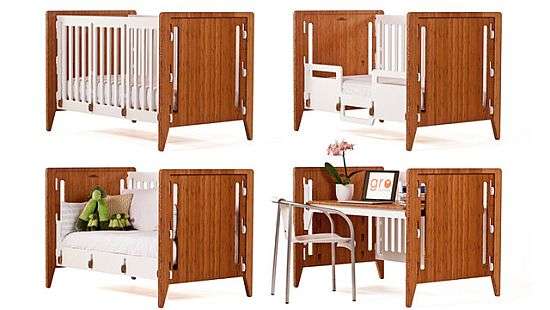
The GRO Furniture Modular Crib Grows With Your Little One
The GRO Furniture modular crib presents disruptive innovation opportunities in the furniture industry by revolutionizing the concept of baby cribs and introducing modular, long-la…