

Category
Lifestyle
Routine Rotation
Female health services bundle tracking access and follow up.




What's Happening
Care Continuity: Women's wellness offerings are shifting from single-purpose tools to connected services that combine symptom logging, clinician access, and personalized guidance in one place. Platforms' emphasis on treatment and clinical navigation is poised to help users decide when to seek screening, specialist input, or preventive action.
Why It's Happening
Many consumers still face fragmented experiences around hormonal and reproductive health, where tracking, advice, and medical follow-through sit in separate systems and are difficult to consolidate. That fragmentation can make already sensitive concerns feel harder to act on, and many may be confused about next steps in managing their condition or life stage changes. As virtual access becomes a normal part of healthcare, people increasingly expect support to be reachable between appointments. This guidance gives them peace of mind and allows them to feel more in control of their health and body.
Workshop question
Trajectory
Latest reading 6.9 for the week of Oct 12, 2026. Holding over the final 3 scored weeks (±0.0), at its peak of 6.9. Momentum 3.8/10, persistence 5.0/10, backed by 4 research findings.
Evidence
SPHERE HEALTH Connects Care Across Women’s Life Stages
Integrated digital services for conditions such as PCOS, endometriosis and menopause expand the category beyond episodic support into continuous health management.
Clue Links Period Tracking with Trusted Care Providers
Tracking applications can broaden their role beyond monitoring by embedding provider access, diagnostics, and care pathways into everyday health management tools.
Véa Tailors Reflection to Different Menstrual Cycle Phases
Cycle-aware journaling highlights how menstrual health platforms can move beyond tracking toward holistic support for mood, education, mindfulness and daily decision-making.
BigHeart Health Helps Women Follow Through on Healthcare
Providers can differentiate preventive offerings through coordinated virtual visits, navigator support, and specialist referrals that improve continuity across fragmented systems.
8 Trend Hunter articles were grouped into the wider weekly cluster this trend was identified in, over 3 weeks.
 Virtual Infection Care VisitsMidi Health UTI Visit Takes Women's Telehealth Beyond Menopause
 Rural Caregiver PlatformsTrualta Brings Free Training, Tools and Peer Support to Rural Families
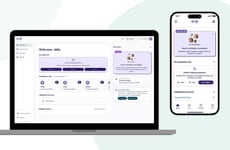 Accessible Virtual Maternal CarePacify Brings Lactation and Doula Support to the Web
 Midlife Empowerment PlatformsSILVER AWAKENING Connects Women Through SILVER SAGE
Research
Virtual Care Baseline
Consumers increasingly expect healthcare to behave more like a service layer: reachable, personalized, and integrated into daily life.
Telehealth matters not just for convenience, but because it reduces the friction of getting help, following up, and sustaining care routines. As digital access becomes baseline, brands and providers that still feel cumbersome will stand out for the wrong reasons.
Care Guardrails
Consumers want care that is faster and easier to access, but health remains a category where convenience without legitimacy quickly becomes risky.
As telehealth normalizes, regulatory clarity and brand trust become part of the product itself, not just back-office concerns.
Pharma Storefronts
Consumers want recurring care to feel as simple as modern ecommerce: clear pricing, quick intake, home delivery and ongoing check-ins.
This shifts expectations for healthcare from episodic appointments toward retail-style convenience, where adherence support and logistics matter almost as much as the medication itself.
Membership Medicine
Consumers increasingly prefer recurring structures when they reduce uncertainty and maintenance work.
In health especially, memberships can turn complex care journeys into something that feels guided, continuous, and easier to manage. The appeal is less about loyalty mechanics and more about feeling held inside a system that keeps working after the initial purchase.