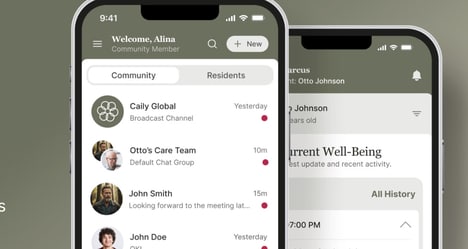
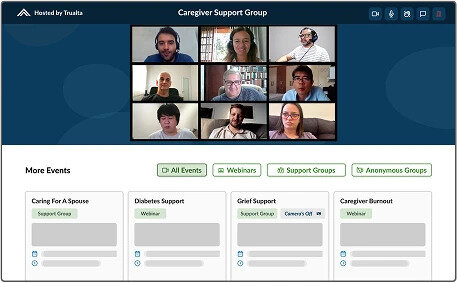
Trualta is expanding rural caregiver platforms through an extended contract with the Washington State Department of Social and Health Services. The program will provide hundreds of additional rural caregivers with free digital resources through Washington’s Caregiving Journey portal. Participants can access dementia education, condition-specific learning, anonymous peer discussions, stress-management guidance, and tools addressing family communication, safety, and care coordination. Resources also support spouses and families helping older adults or people with disabilities remain at home.
The expansion gives Washington a digital way to reach communities where clinical services and specialized support have declined. For Trualta, the agreement extends a platform already used across 33 states while demonstrating its role within public health programs. Providing education and emotional support remotely can help caregivers manage complex responsibilities, reduce avoidable crises, and strengthen home-based care without requiring families to travel for every resource.
Image Credit: Trualta
Part of the cluster
Lifecycle Navigation
Digital services guide people through stage-specific health needs
Explore the cluster



Key Themes Behind This Trend
- Remote Caregiver Training
- Digital learning hubs create scalable ways to deliver dementia education, safety guidance, and care coordination support to families outside traditional service networks.
- Peer-supported Home Care
- Anonymous discussion communities give isolated caregivers emotional reinforcement and practical knowledge that can reduce burnout in underserved regions.
- Public Health Platforms
- State-backed digital portals demonstrate how government agencies can extend preventative family support services without relying solely on in-person infrastructure.
Where This Applies
- Eldercare Services
- Home-based aging support is being reshaped by platforms that help families manage complex conditions while keeping older adults in familiar environments.
- Digital Health
- Caregiver-focused resource ecosystems expand virtual care beyond patients by addressing education, stress management, and informal care coordination.
- Government Services
- Rural service gaps are creating demand for public-sector technology partnerships that distribute specialized support across geographically dispersed communities.