Category
Lifestyle
Baseline Support
Tech-savvy youth gravitate towards holographic presentation modes.
What's Happening
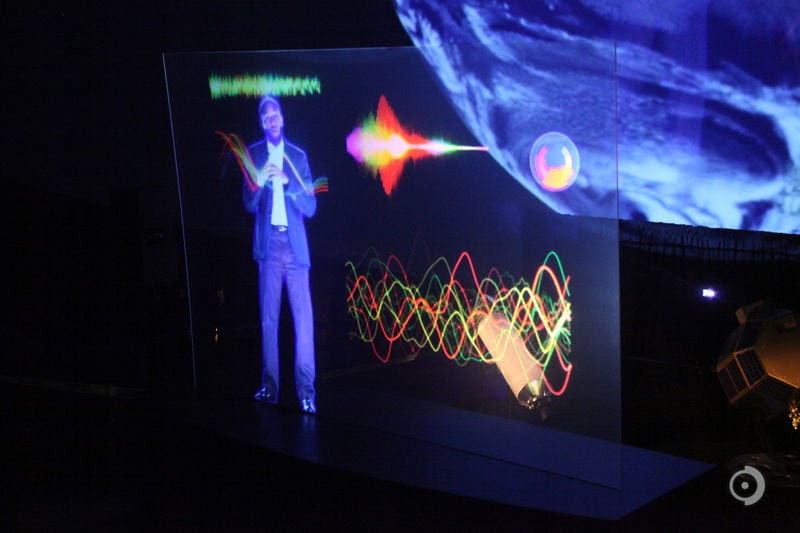
Simulated Learning: With attention spans becoming shorter and shorter, educators are searching for engaging ways to present new material and simultaneously satisfy their students' digital curiosity. Holographic presentation forms are not only interactive, but also immersive, able to simulate different environments, procedures or speakers to increase involvement in a way that the younger, tech-savvy student will appreciate.
Evidence
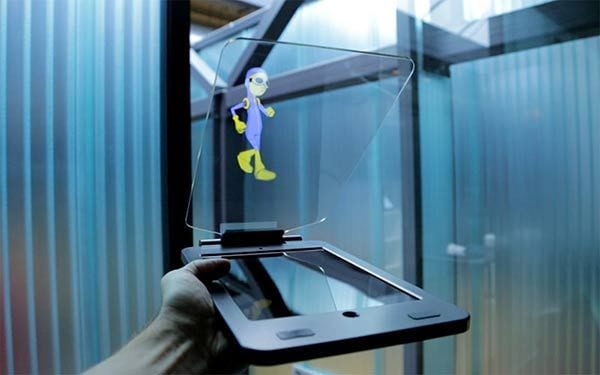
This Holocube Case Creates 3D Projections of On-Screen Animations
Consumer electronics companies can explore holographic tablet cases to offer immersive digital experiences to users.
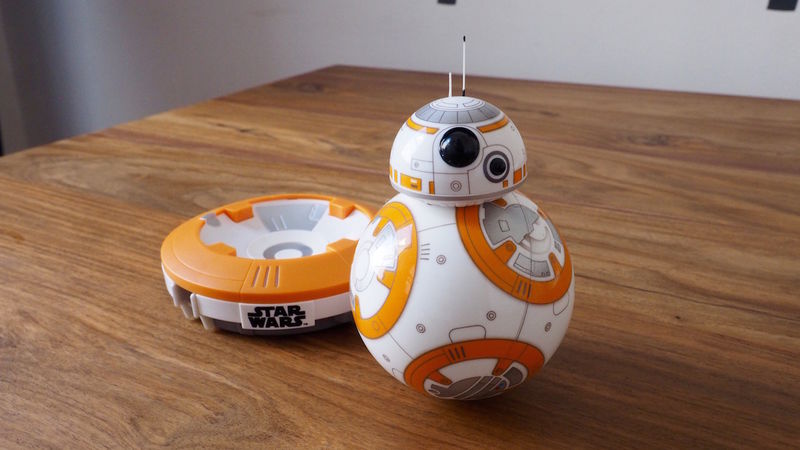
Star Wars' 'BB-8' Droid Toy Can Drive, Patrol and Play Holographic Messages
The toy manufacturing industry can explore the creation of more advanced and interactive robotic toys for children.
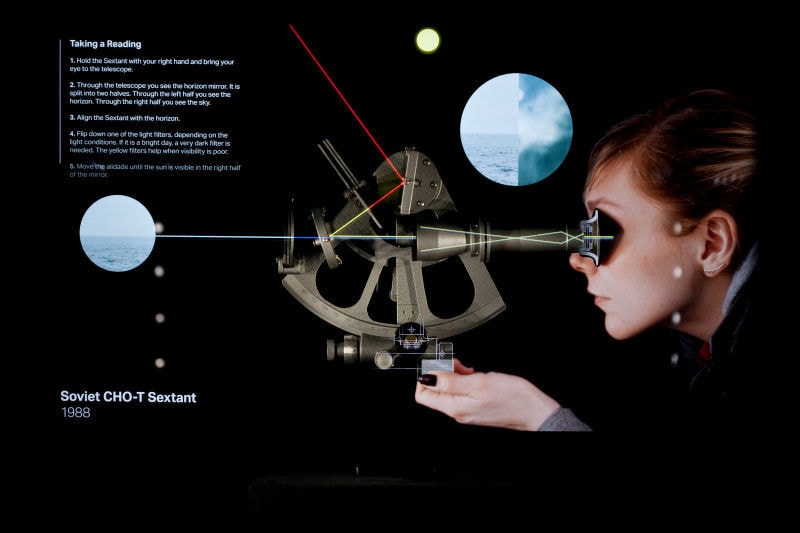
ColliderCase Creates a More Interactive Museum Experience for Art Fans
Museums can adopt holographic displays to transform the way visitors interact with their exhibits.
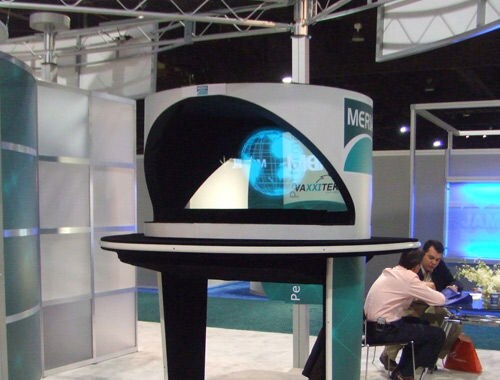
This Hologram Projector Impresses With Animated 3D Presentations
The holographic tech kiosks offer new opportunities for experiential marketing, creating an immersive and memorable experience for attendees.
Instituting Science In Schools Debuts a NASA Holographic Presentation
Technology that facilitates immersive and personalized forms of education, such as AR/VR could benefit from the trend of immersive education.
Trend signals
Trend score 4.7 out of 10, from popularity 76%, activity 57%, freshness 8%.
Trend themes
Holographic presentations are becoming a trend in education and marketing to promote immersive experiences and engagement.
Augmented reality toys like programmable robots are disrupting the traditional toy industry, promoting interactive and educational play.
Interactive museum displays like holographic projections are transforming the way people engage with history and artifacts, promoting active learning.
Industry implications
The education industry can adopt holographic presentations to create immersive learning experiences.
Toy manufacturing companies can invest in augmented reality toys to create more interactive and educational playtime experiences for children.
Museums can use immersive technologies like holographic displays to create interactive museum exhibits that promote active learning and engagement.