
Category
Fashion
Motif Mashups
CPG brands update visual systems and familiar cues with contemporary design.
What's Happening
Heritage Refresh: Packaged food and beverage brands are using retro styling as a selective design tool rather than a full throwback, borrowing recognizable colors, typefaces and mascots to evoke nostalgia. Paired with clean, simplified layouts, these packs read as current next to modern competitors in mainstream retail, leaning on heritage cues without looking dated or out of place on shelves.
Why It's Happening
Consumers show a preference for brands that feel rooted and recognizable rather than constantly reinvented, especially when so many choices look interchangeable. In a market that never stops offering something new, nostalgic cues on packaging make a brand seem stable and easy to trust. At the same time, consumers don’t want to feel stuck in the past, so clean, contemporary design shows the brand has kept pace to deliver a balance, letting them enjoy comfort of the familiar and feel confident it still belongs in their life today.
Evidence
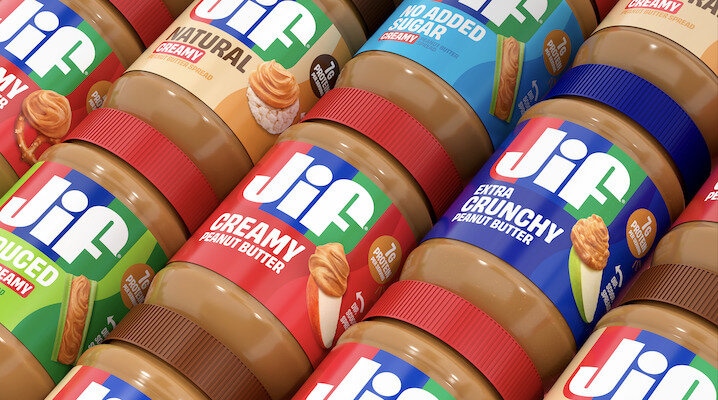
Jif Embarked on Its First Major Rebrand in Three Decades
Shelf-stable staples are evolving through updated branding and usage-led messaging, signaling opportunities for mature categories to capture new consumption moments.
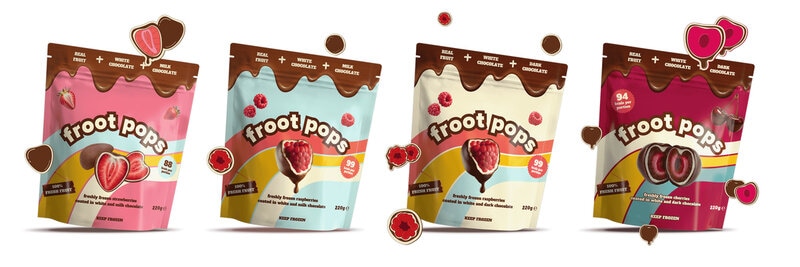
Froot Pops Unveils Its New Visual Identity and Packaging
The category is being refreshed by visually distinctive, snackable formats that move frozen products beyond utility and into impulse-driven retail moments.
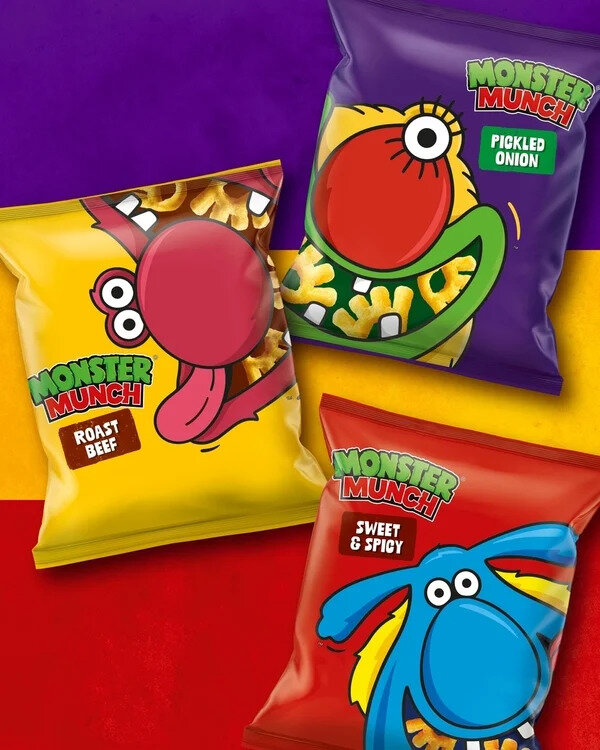
Monster Munch is a Refreshed British Snack Identity
Legacy snack brands are using refreshed visual identities to strengthen cultural relevance while preserving familiar assets that drive consumer loyalty.
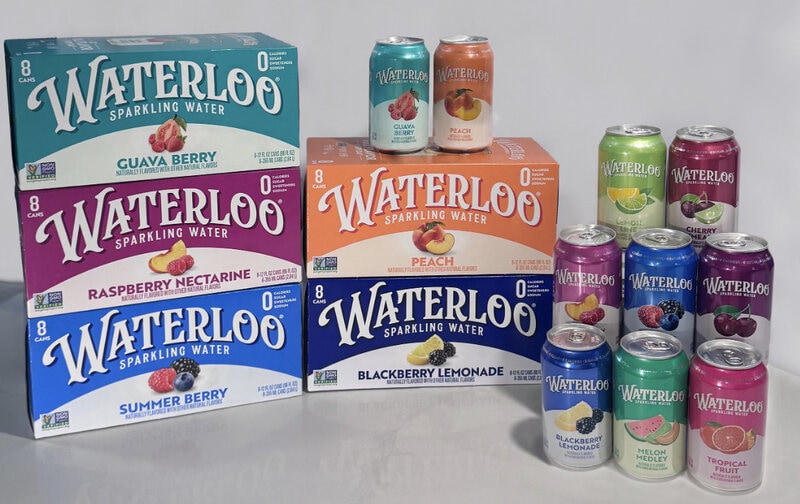
Waterloo Sparkling Water Overhauls Its Packaging Design
Premium visual updates in cans and cartons highlight new potential for packaging to function as both a brand billboard and a shopper navigation tool.
Workshop question
How could your brand modernize its most recognizable assets without weakening instant recognition?
Trend themes
Heritage colors, mascots, and typography are being filtered through cleaner design systems, creating space for brands to preserve recognition while competing with newer shelf-native challengers.
Bolder palettes, simplified layouts, and clearer product cues reflect rising pressure for packaging to communicate instantly across crowded retail, freezer, and digital commerce environments.
Established visual identities are expanding beyond their original use occasions, revealing potential for familiar CPG brands to reposition around new snacking behaviors, formats, and consumption moments.
Industry implications
Visual refreshes in packaged food are turning trusted brand assets into adaptable systems that support flavor expansion, convenience formats, and renewed relevance with younger shoppers.
Color-led packaging and appetite-driven imagery in beverages create openings for clearer flavor navigation, stronger omnichannel recognition, and premiumized everyday refreshment cues.
Contemporary identity studios are increasingly valuable as heritage brands seek modular visual systems that balance nostalgic equity with performance across physical shelves and digital platforms.
Trajectory
Latest reading 8.3 for the week of Aug 17, 2026. Holding over the final 3 scored weeks (±0.0), −1.0 from its peak of 9.3 in the week of Aug 10, 2026. Momentum 6.6/10, persistence 2.5/10, backed by 4 research findings.
4 featured from 5 articles in the wider cluster over 2 weeks. 4 evidence articles across 3 weeks, 1.3 a week on average. Busiest was Aug 10 with 2. Scores as of the week of Aug 17, 2026.
5 Trend Hunter articles were grouped into the wider weekly cluster this trend was identified in, over 2 weeks.
Research
Universal Access Packaging
As populations age and disability awareness rises, more people struggle with opening, gripping, or distinguishing products—yet don’t want to feel singled out by ‘special needs’ packaging.
Subtly accessible designs signal respect and inclusion while improving usability for everyone. Brands that bake accessibility into standard packaging respond to a broad, often unspoken tension: wanting independence and dignity in daily routines, even when physical abilities change.
Inclusive Pack Advantage
As populations age and disability inclusion gains visibility, inaccessible packaging becomes a glaring barrier and reputational risk.
Consumers expect everyday products to be usable by more hands and eyes without special-order SKUs. Brands that bake accessibility into mainstream lines—not just specialized sub-brands—signal a deeper commitment to inclusion and may unlock loyalty from households where one person’s needs shape everyone’s purchasing.
Accessible Smart Packaging
As populations age and disability inclusion gains visibility, consumers expect brands to design for a wider spectrum of abilities by default.
Packaging that works seamlessly with smartphones and assistive apps helps people access information and use products safely and independently. This not only broadens the customer base but also signals social responsibility and modernity, turning accessibility from a compliance afterthought into a brand differentiator.
Action-Guided Marketing
Overloaded consumers don’t have bandwidth to decode dense health or sustainability messaging at shelf.
They respond to quick heuristics that tell them what to do next—grab this if you’re on GLP-1, refill here to save money and waste. Marketing that operationalizes macro shifts into small, doable steps respects limited attention and makes progress feel achievable.