Category
Autos
Luxury Electrification
Organizations use technology to integrate social good into a daily routine.

Trend
Automated Donation: Thanks to technology, charitable donation has become simpler and more streamlined. However, in order to make donating a frequent, habitual practice, organizations are integrating the process into everyday routines. Consumers are able to practice social good without having to take time out of their day, suggesting that greater convenience will lead to increased philanthropic involvement.
Trend themes
Organizations are integrating charitable giving into people’s everyday routines to make it a habitual practice and increase philanthropic involvement.
Data donation campaigns collect unused data to donate for social good projects and connect people in need.
Businesses partner with charities and nonprofit organizations to encourage socially responsible actions through promotional codes and offers.
Industry implications
Technology is the enabler that makes charitable giving simpler, more streamlined, and more convenient for people.
Charities and nonprofit organizations are the beneficiaries of the charitable giving trends, receiving donations from individuals and businesses.
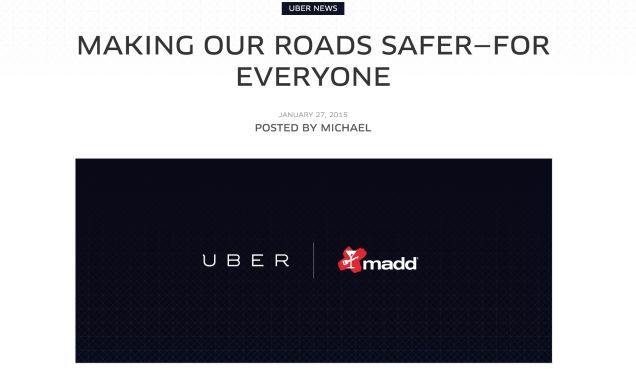
Ride-sharing businesses like Uber are promoting socially responsible actions by partnering with organizations that advocate for road safety and campaigning against drunk driving.
Trend signals
Trend score 3.4 out of 10, from popularity 64%, activity 29%, freshness 8%.
Evidence
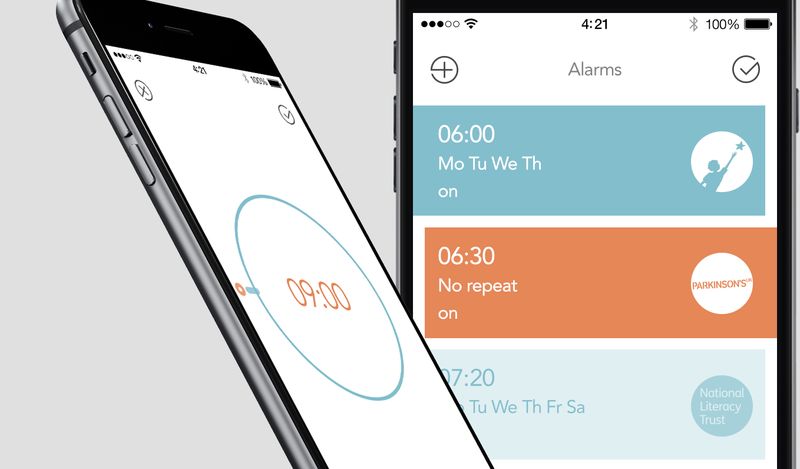
iCukoo by Chelsea Apps Factory Donates Money Every Time People Hit Snooze
The creation of charitable alarm clock apps like iCukoo by Chelsea Apps Factory highlights the disruptive innovation opportunities in the mobile app development industry to combin…
The #4Good Campaign Lets Mobile Users Gift Their Unused Data to Charities
Disruptive innovation opportunity: Telecommunication companies can explore partnerships with charities to create data-donating initiatives that encourage customers to give back.
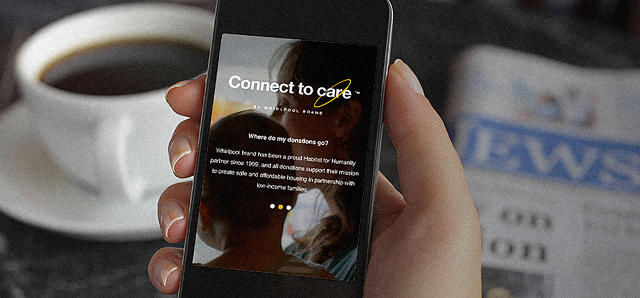
Whirlpool's Appliances Manifest the Internet of Good Things
The Whirlpool Connect to Care program introduces a disruptive innovation opportunity for the appliance industry by merging smart technology with charitable giving.
Uber and MADD Join Forces to Promote Road Safety During the Superbowl
Opportunity for other ride-share services to partner with non-profit organizations to promote road safety and contribute to a charitable cause.