
Category
Eco
Ownership Ease
Green restaurants and innovations take eco-minded eating to a new level.



What's Happening
Eco-sine: Once, eco-friendly eating was just a burgeoning trend, with food businesses slow to follow in the green footsteps of their more eco-minded counterparts. Now, with more consumers embracing green lifestyles, demand for eco-friendly food establishments and innovations is increasing. Although green cuisine was once a special, limited option, now it is becoming more of an abundantly available alternative in mainstream dining and the food industry.
Evidence
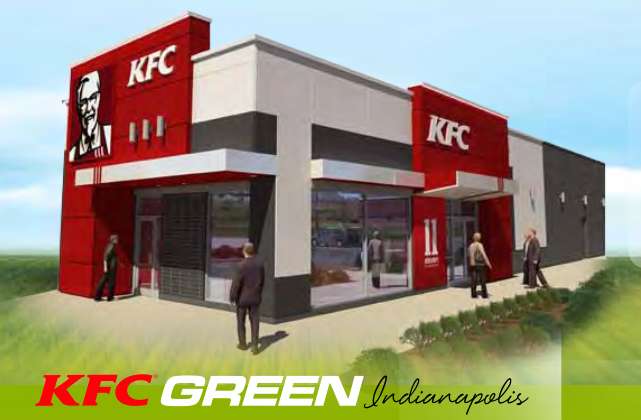
KFC Green Indianapolis Aims for LEED Architectural Certification
Fast food chains are embracing the concept of sustainable development in their operations to appeal to customers who prioritize environmental sustainability.
FoodCycle Uses Surplus to Feed Local Communities
FoodCycle is creating innovative solutions and fostering positive change in the food industry by reducing food waste and feeding those affected by food poverty.
The Lapin Kulta Solar Kitchen Restaurant Shows that Sunshine Can Cook Food
Restaurants can incorporate solar cooking techniques and nature-driven cooking to differentiate themselves, reduce their environmental impact, and cater to conscious consumers.
The Maaemo Restaurant Serves Up Gourmet Food and an Origami Menu
Integrating sustainability practices and innovative designs to enhance the dining experience and attract eco-conscious customers.
Socola Chocolatier Cares for Constituents, Trade and Taste
Companies in the food and beverage industry can use eco-friendly ingredients and innovative flavors to attract eco-conscious customers

Copenhagen's Restaurant BioM Serves Up Organic Food and Design
The foodservice industry can take advantage of the trend of eco-friendly dining and organic food movement to develop innovative concepts that cater to environmentally conscious co…

Food From the Sky's Rooftop Garden Provides Store Veggies
Supermarkets can innovate by implementing rooftop gardens for sustainable produce sourcing.
Trend signals
Trend score 3.1 out of 10, from popularity 33%, activity 52%, freshness 8%.
Trend themes
As more consumers embrace green lifestyles, demand for eco-friendly food establishments and innovations is increasing, making it a disruptive innovation opportunity for the food industry.
The growing trend of sustainability and local sourcing in the food industry, as demonstrated by Socola Chocolatier and Restaurant BioM, presents a disruptive innovation opportunity for restaurants looking to stand out with environmentally conscious consumers.
The Lapin Kulta Solar Kitchen Restaurant's solar cooking project shows how restaurants can be eco-friendly and can add some creative spirit to their food and business, making it a disruptive innovation opportunity for the food industry.
Industry implications
The food and restaurant industry can benefit from sustainable practices and eco-friendly innovations to capture growing demand for environmentally conscious food establishments and products.
The renewable energy industry can explore opportunities to provide sustainable energy sources for restaurants and food establishments aiming to reduce their carbon footprint.
Non-profit organizations like FoodCycle can lend support to food retailers by making the most of surplus food, nurturing positive social change in the community and providing low-cost, nutritious meals in community cafes.