



Category
Lifestyle
Assisted Choices
Eco-conscious consumers pave the way for a new generation of green.
Trend
Green Parenting: Eco-friendly parenting accessories will not only help consumers live more complete green lives, they’ll pave the way for a generation of wee eco crusaders. To continue the battle of maintaining mother nature, many eco activists are recruiting their children at younger and younger ages. While green living persists, so too will a market for eco-conscious kiddie innovations.
Trend themes
Parents are seeking eco-friendly products for their children to instill environmentally-conscious values in young minds.
Designers and manufacturers are creating products for children using upcycled and recycled materials to promote sustainability.
Parents and educators are seeking products that provide creative and stimulating experiences for children that incorporate learning and sustainability.
Industry implications
Manufacturers can create children's toys using eco-friendly materials and incorporate educational and creative elements.
Companies can create eco-friendly and sustainable furniture options for children's rooms, incorporating design elements that enhance learning and creativity.
Educational and creative materials for children that incorporate sustainability can promote learning and environmental awareness for the next generation.
Trend signals
Trend score 3.8 out of 10, from popularity 42%, activity 63%, freshness 8%.
Evidence
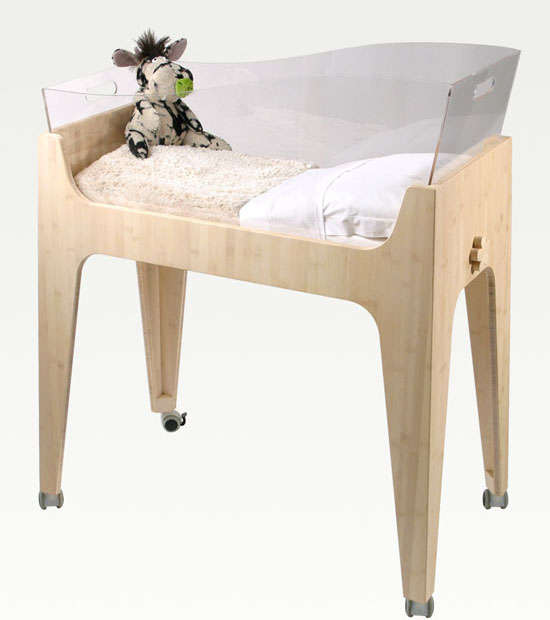
Castor & Chouca Create Green Bedroom Sets for Babies and Toddlers
Opportunities for furniture manufacturers to create eco-friendly products for infants and young children
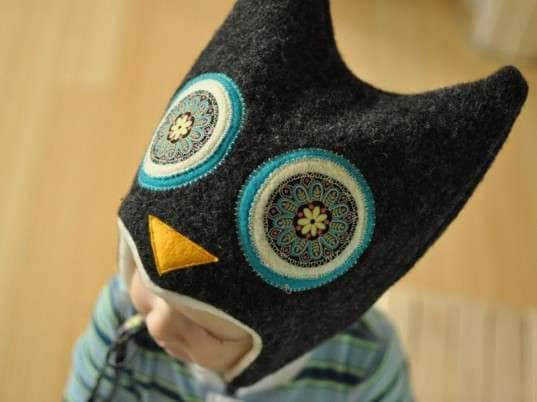
These Adorable Hoo Hats Keep Little Heads Warm and Cozy
Create unique and sustainable fashion pieces using upcycled materials for a new market of environmentally conscious consumers
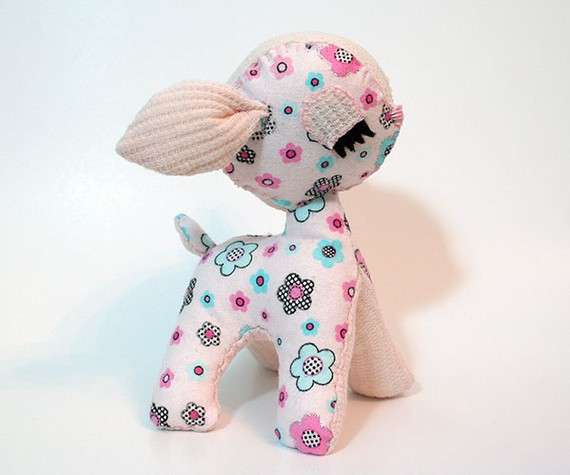
The Handmade Wonder Forest Toy Collection is Magically Adorable
Businesses specializing in eco-friendly crafts can leverage the upcycled vintage plushies trend to create unique and environmentally conscious products.
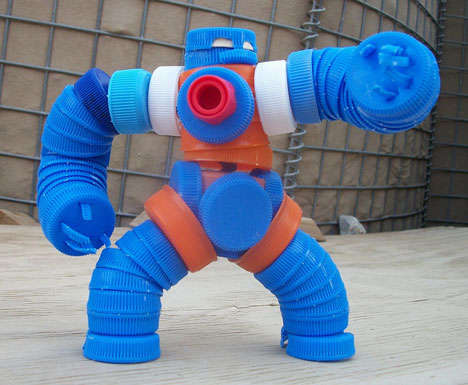
Rupert Valero Makes Awesome Action Figures From Bottle Caps
Toy companies could explore using recycled materials and customization options when manufacturing new products.
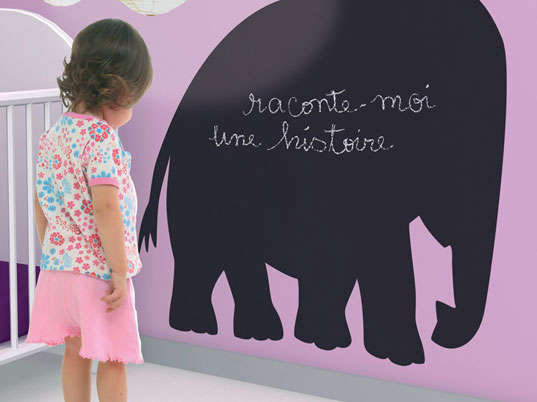
These Fun Coco Boheme Chalkboard Stickers Stick to the Basics
The education and learning industry can leverage the trend of sustainable chalkboard stickers and creative learning tools to provide innovative and eco-friendly products for child…
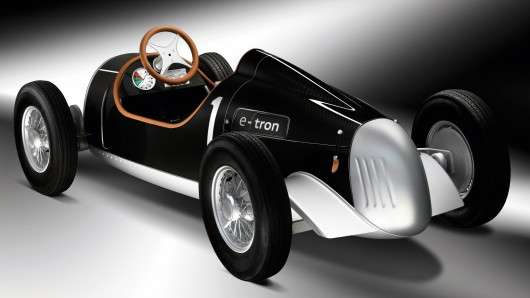
The Auto Union Type C E-Tron Study by Audi is a Mini-Scale Car
Toy manufacturers can capitalize on the trend of eco-friendliness and create toys that are good for the environment and made of sustainable materials.






