Category
Fashion
Scaled Restraint
Over-the-top gadget jewery intended to stand out, not always positively.
Trend
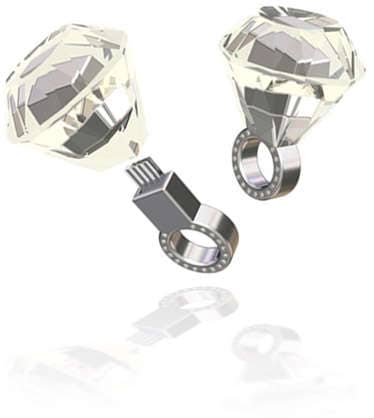
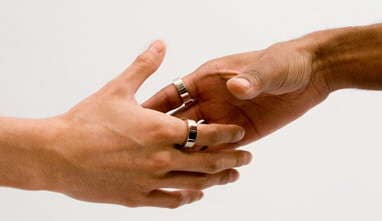
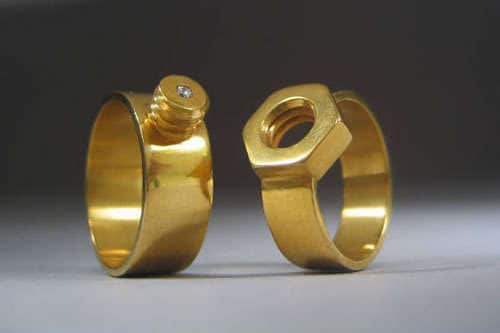
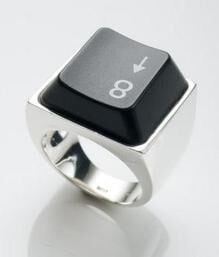
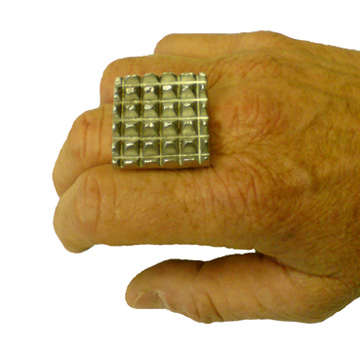
Digital Fashion: Making the change from being fashion pieces or relationship status indicators, these functional rings appeal to people’s quirky nature and desire to stand out. Some are high tech like the USB or handshake transfer rings, while others are sillier, like the schnitzel hammer and receipt rings.
Trend themes
Designers are looking to alternative materials for new, inspiring jewelry pieces, allowing consumers to still enjoy an element of self adornment while maintaining a more prudent, sensible attitude towards spending.
Using words such as "hammer" to describe jewelry can make men feel like it's more suitable for them to wear, making any product more appealing to a manly man.
Jewelry that serves a functional purpose and reflects a great sense of humor is becoming increasingly popular.
Industry implications
Fashion designers can consider using alternative materials and create functional jewelry to introduce unique pieces to consumers.
Jewelry marketers can use masculine language in their marketing strategies to appeal to a male audience and differentiate their products from conventional designs.
The integration of technology with jewelry can lead to innovative designs such as smart rings and USB engagement rings.
Trend signals
Trend score 4.4 out of 10, from popularity 72%, activity 52%, freshness 8%.
Evidence
Swarovski Flash Drive
The fashion industry can explore new products that integrate USB technology into jewelry, expanding the range of high-tech fashion accessories.
Smart Rings
The wearable technology industry has an opportunity to create and market smart rings that store and transfer information via handshakes.
The Nuts and Bolts of Love
Fashion designers can capitalize on the trend of using alternative materials and creating unconventional fashion pieces.
Keyboard Ring
Fashion companies can offer geek-inspired merchandise, tapping into modern technology and computer culture to reach a younger, geeky demographic that wants to embrace both fashion…
Tenderizer Ring
Innovative jewelry designers who repurpose unconventional materials to create masculine products.
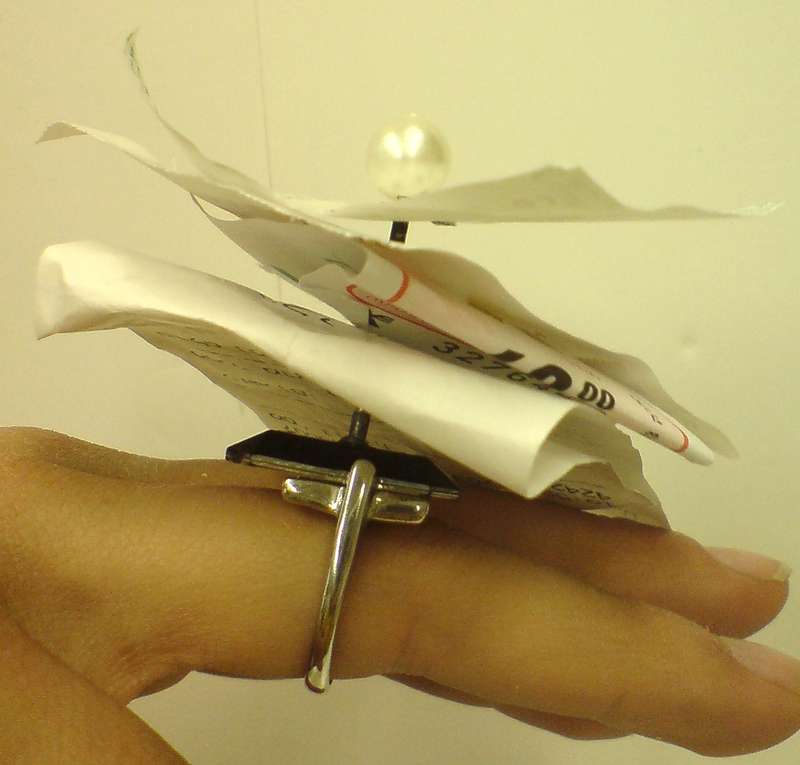
"Ring Me Up" Tracks Your Purchases
The jewelry industry has an opportunity to incorporate functional technology in their designs.