



Category
Lifestyle
Assisted Choices
Embracing the health wave, consumers seek recipes that restrict ingredients.
Trend
Excess Restriction: Realizing the benefits of healthier food alternatives, consumers are turning to recipes that limit and restrict multiple ingredients. Combining features like gluten-free and sugar-free together, some consumers are looking to leave behind all elements associated with unhealthy living by embracing more restrictive consumption options.
Trend themes
Consumers are seeking recipes that limit and restrict multiple ingredients to embrace healthier food alternatives.
Homemade recipes that address concerns over gluten and sugar-free diets are popular ingredients, offering alternate solutions to traditional snacks.
Healthier snack options are becoming more mainstream as people gravitate towards well-being, resulting in new homemade recipe favors from pumpkin chips to quinoa bars.
Industry implications
Manufacturers of healthy snacks and allergen-free recipes can target health-conscious people with restrictive diets looking for healthier snack options.
Industry professionals in the wellness industry can embrace these homemade recipes as educational resources and teach more healthy snack creation to their clients.
Nutrition experts can review these homemade recipes and provide more recommendations to people seeking healthier snacks with certain dietary limitations.
Trend signals
Trend score 2.5 out of 10, from popularity 33%, activity 33%, freshness 8%.
Evidence
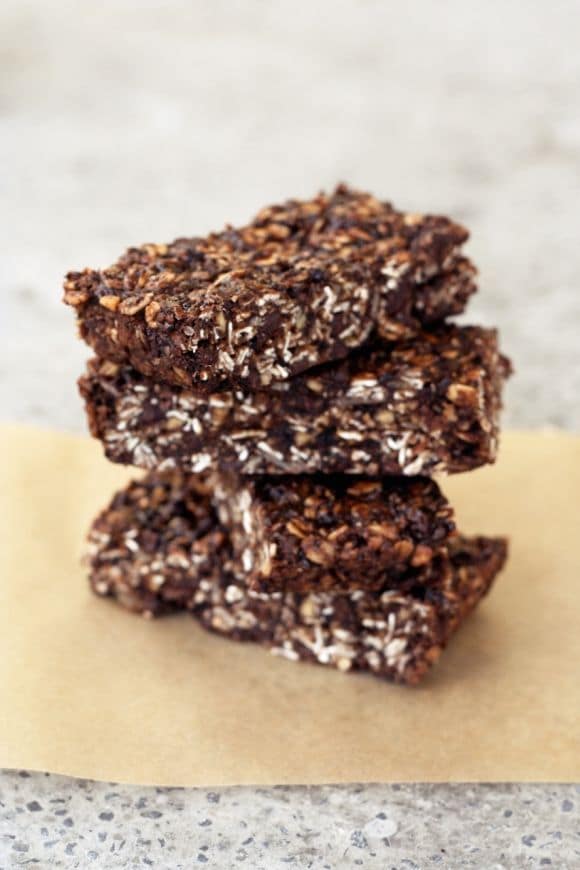
This Energy Bar Recipe is Vegan, Gluten-Free and Refined Sugar-Free
Opportunity for health food companies to develop and market homemade-like energizing snacks that cater to dietary restrictions.
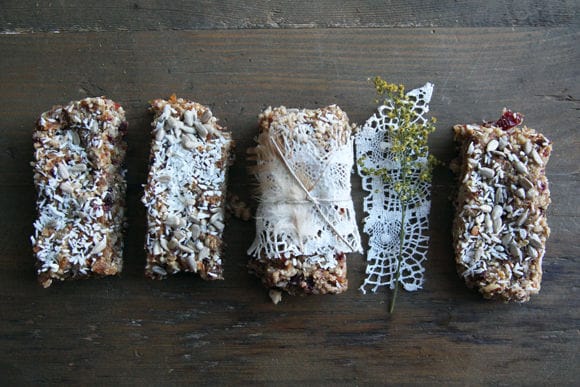
This Gluten-Free Recipe Makes a Healthy Fruit and Nut Snack For On the Go
Disruptive innovation opportunity: Explore the development and marketing of healthy snack alternatives using natural ingredients and cater to dietary restrictions.
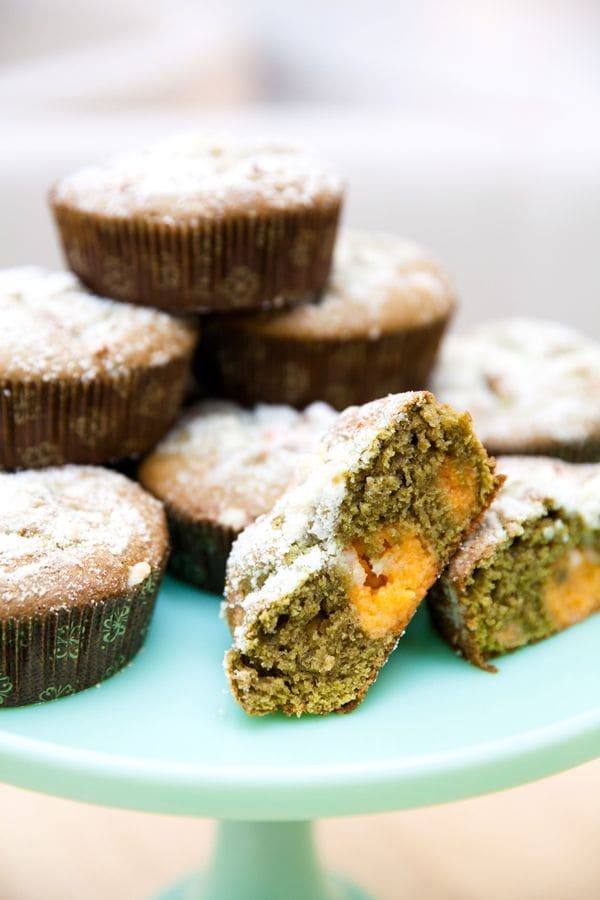
This Tasty Almond Tea Cake Recipe Incorporates Matcha Green Tea
Opportunity for food companies to develop and market gluten-free baking mixes and tea-infused desserts.
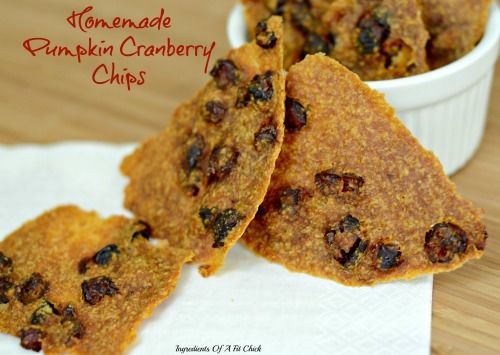
Ingredients of a Fit Chick Creates a Gluten-Free Snack with Cranberries
The food and beverage industry can tap into the trend of gluten-free snacks by creating and marketing a wide range of gluten-free options for consumers.






