Category
Fashion
Code Switching
Beauty launches link aroma design with stress and feeling cues.



What's Happening
Neural Perfumery: Some fragrance launches are borrowing language and methods from neuroscience and stress research, emphasizing decisions in formulation and development. These releases push perfume closer to a lab-informed beauty category, even though their emotional benefits remain brand claims rather than proven outcomes.
Why It's Happening
As consumers turn to functional fragrances to feel calmer, happier or more confident, they want mood-boosting claims to feel like more than marketing. Scientifically inspired scents are perceived as more considered, and that care makes the promised outcome feel more credible and within reach. For many, that reassurance is enough to turn interest into a purchase, but a scent's impact remains personal and subjective. Brands can earn that trust honestly, using science to explain the thinking behind a fragrance rather than guarantee a result it can’t promise.
Evidence
Givaudan Combines AI and Neuroscience for Fragrance
Premium scent brands can differentiate through research-supported emotional benefits that extend fragrance value beyond aesthetics and personal identity.
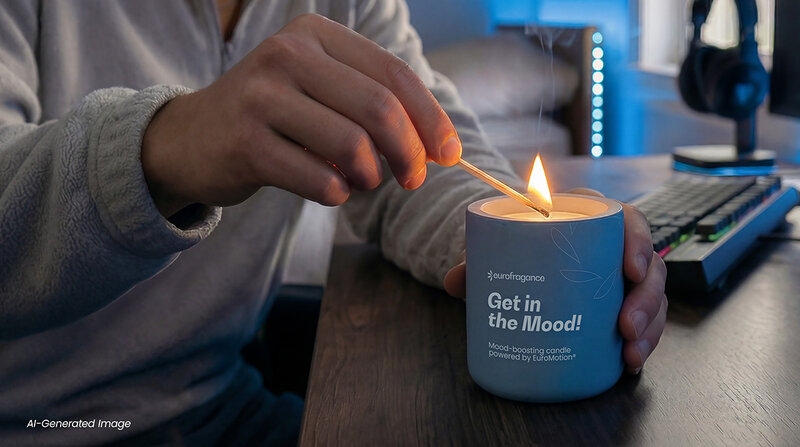
Eurofragance Blends Regional Ingredients with Mood Technology
Mood-responsive compounds and neuroscience-informed scent technologies are reshaping fragrance development around measurable emotional and sensory effects.
Aerchitect Debuts Three Fragrances — CALM, FOCUS, and GROUND
Employee-focused scent solutions that deliver immediate calming or focusing effects could redefine on-site stress management and productivity tools.
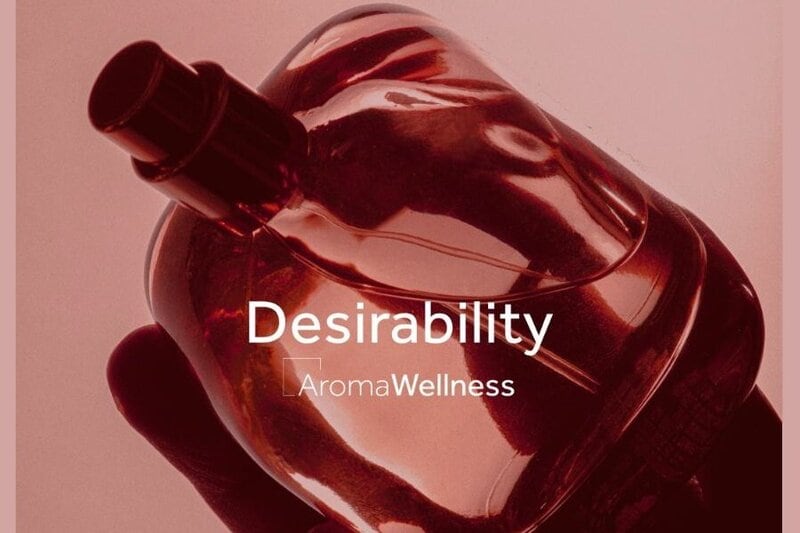
CPL Aromas Uses fMRI to Explore Desirability
Scientific validation of scent effects offers perfume makers new ways to differentiate formulations through emotional and neurological evidence.
String Theory Fragrances Use Phero-Mimetic Tech to Enhance Desire
Fragrance brands integrating biomimetic compounds and behavioral science could redefine product differentiation beyond traditional scent notes toward social signaling value.

This Works' Own Time Uses Neuroscience to Support a Transition to Rest
The convergence of neuroscience and aromatherapy is opening new avenues for products that can enhance mood and wellbeing.

Being Fragrance's Range is Tested with AromaWellness Technology
The beauty sector can expand into functional perfumery ranges that promise measurable mood benefits alongside traditional aesthetic appeals.
Workshop question
How could your brand turn scent into a clear use-case benefit within an everyday routine?
Trend signals
Trend score 8.4 for the week of Nov 2, 2026. Momentum 6.8/10, persistence 0.0/10, backed by 4 research findings.
8 Trend Hunter articles were grouped into the wider weekly cluster this trend was identified in, over 1 week.
 Film-Inspired Fragrance CollectionsScentbird and Drift Launch Panem-Inspired Scents
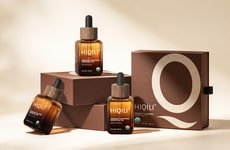 Daytime Aromatherapy OilsHIQILI Pushes USDA Organic Lavender Beyond the Bedtime Routine
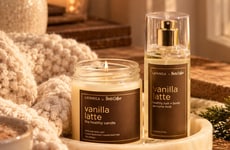 Coffee-Inspired Gourmand FragrancesLAVANILA Creates Vanilla Latte Perfume with Peet's Coffee
 Seasonal Essential Oil CollectionsdōTERRA Launches Holiday Blends with Festive Scents and Gifts
 Fragrance-Focused K-Beauty ExpansionsMONCLOS Brings Haircare and Bodycare to Australia
Research
Mood Scent Science
Consumers increasingly want beauty products to regulate mood, not merely improve appearance.
Scent is powerful because it offers a fast, low-effort emotional shift that feels indulgent yet useful. Brands are responding to stress-heavy lifestyles by making fragrance feel therapeutic, ritualized, and outcome-oriented.
Machine Molecules
The fragrance industry faces pressure to find novel, distinctive and sometimes more sustainable substitutes for existing materials.
AI matters because it can search far beyond traditional perfumery intuition, potentially surfacing entirely new molecules or alternatives that a human alone might not prioritize. That shifts AI from assistant to upstream ingredient generator.
Malodor Metrics
Consumers increasingly expect scented products to do a job, not simply smell pleasant at first sniff.
That raises the bar from artistry alone to proof of efficacy in messy real-life situations like odor management, lingering performance and consistency. AI gains legitimacy when it helps solve those functional frustrations in ways consumers can actually feel.
Scent Co-Creation AI
Fragrance has historically relied on expert intuition and delayed consumer testing, but brands increasingly want faster loops without losing artistry.
AI matters here because it compresses feedback time and translates subjective reactions into more actionable development signals. Consumers may not want perfume made only by machines, but they do value products that feel better tuned to their preferences and use cases.