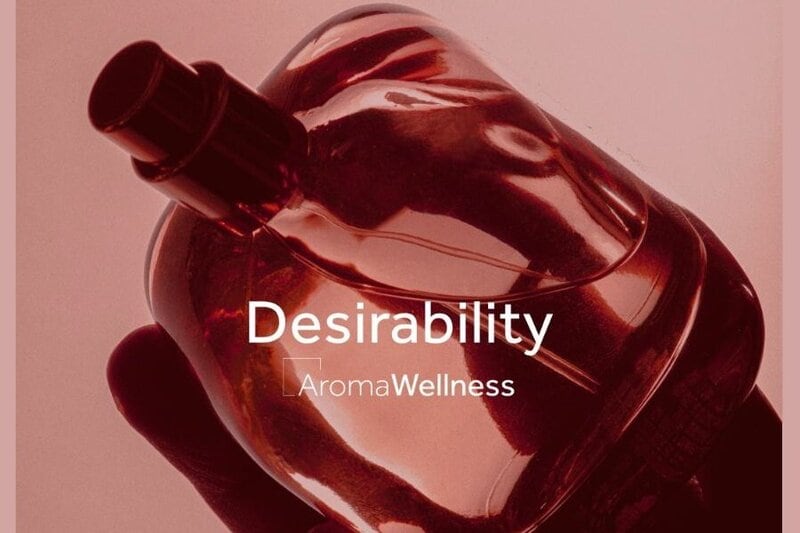
CPL Aromas is introducing brain-studied fragrance formulations through AromaWellness Desirability, a technology platform examining how scent influences feelings of confidence, attraction, and emotional connection. Rather than relying exclusively on traditional fragrance storytelling, the company investigates measurable emotional responses to better understand how different scents relate to perceptions of desirability.
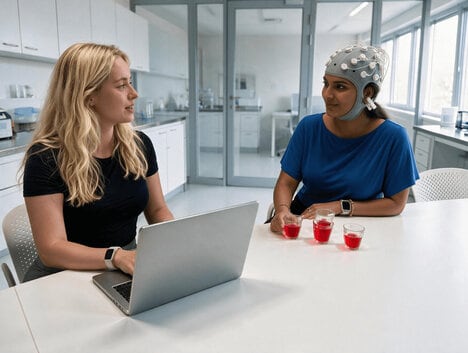
The research combines functional magnetic resonance imaging (fMRI), which measures brain activity, with participant questionnaires to examine both neural responses and personal experiences. CPL Aromas also highlights consumer interest in attraction-focused fragrances, citing research showing that 73% of American Gen Z consumers aged 16–24 consider scent important to attraction.
For CPL Aromas, the platform creates opportunities to expand its fragrance development capabilities through scientific research. Beauty brands can use these insights to explore differentiated scent offerings that connect emotional wellness with consumer interest in confidence and attraction.
Image Credit: CPL Aromas
Why This Trend Is Growing
- Neuroscience-backed Fragrance
- Brain imaging data can reshape scent development by linking fragrance notes to measurable emotional and desirability responses.
- Attraction-centric Wellness
- Consumer interest in confidence, attraction, and emotional connection is creating space for beauty products positioned around psychological and social benefits.
- Data-driven Scent Design
- Combining biometric research with self-reported feedback enables more precise fragrance formulation beyond traditional branding narratives.
Industries Being Reshaped
- Fragrance
- Scientific validation of scent effects offers perfume makers new ways to differentiate formulations through emotional and neurological evidence.
- Beauty and Personal Care
- Emotionally targeted scents can expand product lines across skincare, body care, and cosmetics with wellness-oriented sensory experiences.
- Consumer Neuroscience
- Applied brain research is becoming increasingly relevant for brands seeking deeper insight into subconscious preferences and product desirability.