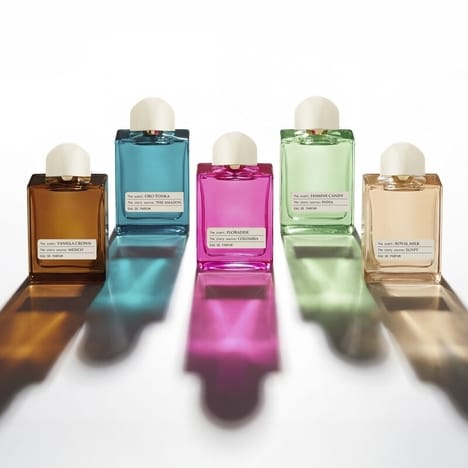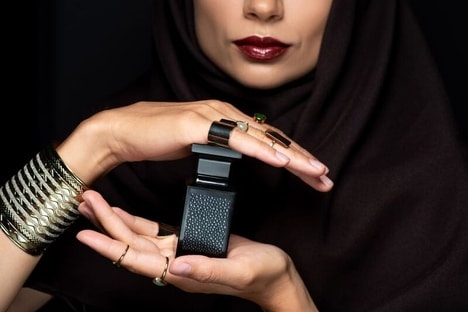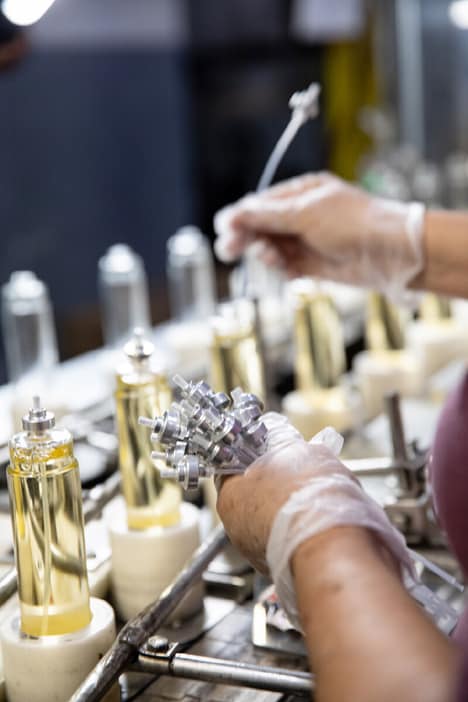
AI-powered fragrance development is reshaping how consumer goods companies create sensory experiences by combining artificial intelligence, neuroscience, robotics, and real-time analytics within dedicated fragrance research hubs. Unilever’s new Fragrance House facility in India enables teams to design, test, and refine scents closer to local consumers while leveraging digital tools to accelerate development. By integrating fragrance creation, formulation science, and consumer insights in a single environment, the company can respond more quickly to changing preferences and growing demand for premium products.
For consumer brands, this approach highlights the increasing importance of sensory differentiation as a driver of product preference and loyalty. Bringing fragrance capabilities in-house improves speed, agility, and control over product development while reducing reliance on traditional external processes. The model also supports premiumization strategies by creating more distinctive and personalized experiences across categories such as beauty, personal care, and home care. As consumer expectations evolve, digitally enabled sensory R&D may become a key competitive advantage.
Image Credit: Unilever
Why This Trend Is Growing
- AI-designed Scents
- Artificial intelligence is enabling faster fragrance concepting and refinement, creating room for consumer goods brands to build more adaptive scent portfolios around shifting local preferences.
- Localized Sensory R&D
- Regional fragrance hubs combine consumer insight, formulation science, and rapid testing, giving companies new ways to differentiate products through culturally relevant sensory experiences.
- Premiumized Personal Care
- More distinctive scents and digitally informed product experiences are strengthening premium positioning in beauty, personal care, and home care categories.
Industries Being Reshaped
- Consumer Goods
- In-house AI-powered fragrance development is reshaping product innovation by reducing dependency on external suppliers and improving responsiveness to demand changes.
- Beauty and Personal Care
- Neuroscience-backed scent testing and personalization tools are expanding the potential for emotionally resonant products that support loyalty and higher-value purchasing.
- Home Care
- Digitally developed fragrances are creating opportunities for household products to compete on mood, atmosphere, and sensory identity rather than function alone.