



Category
Lifestyle
Assisted Choices
Food-based cosmetics offer buyers a more organic beauty method.
Trend
Edible Beauty: Responding to a growing concern over harmful chemical usage in products and a boom in DIY beauty blogs, beauty brands are turning to more natural, food-based ingredients for allure. The use of edibles in cosmetic and beauty products allow brands to showcase a sense of novelty while simultaneously meeting consumer demands for more health-conscious alternatives. This allows indulgence in maker culture without the actual work.
Trend themes
Beauty brands are using food-based ingredients in cosmetic products to meet the demand for more health-conscious alternatives.
Consumers are showing an interest in skincare products infused with real food extracts to avoid harmful chemicals.
Emerging beauty brands are satisfying the modern consumer's desires for natural and eco-friendly products.
Industry implications
Beauty brands are turning to more natural, food-based ingredients for allure.
Beauty brands are using real food extracts in cosmetic products to meet the demand for more health-conscious alternatives.
Consumers are showing an interest in skincare products infused with real food extracts to avoid harmful chemicals.
Workshop question
Trend signals
Trend score 3.9 out of 10, from popularity 55%, activity 55%, freshness 8%.
Evidence
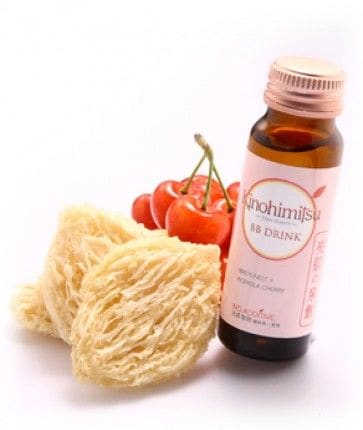
Kinohimitsu's BB Drink Restores Skin with Unique Vitamin Sources
The Health and Wellness industry can leverage unconventional ingredients and skincare supplements to develop innovative products that cater to beauty and wellness enthusiasts.
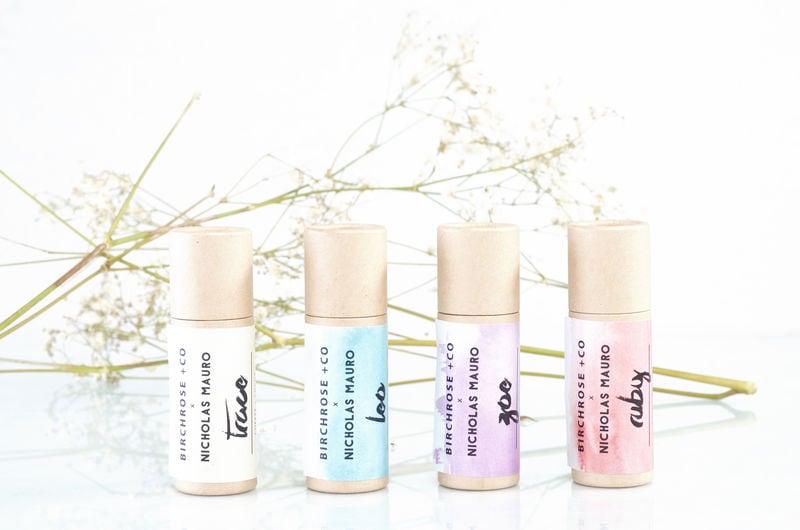
Birchrose + Co's Organic Lip Balm Range Boasts Natural Ingredients
The trend of organic lip care cosmetics signifies a larger shift towards natural skincare products.
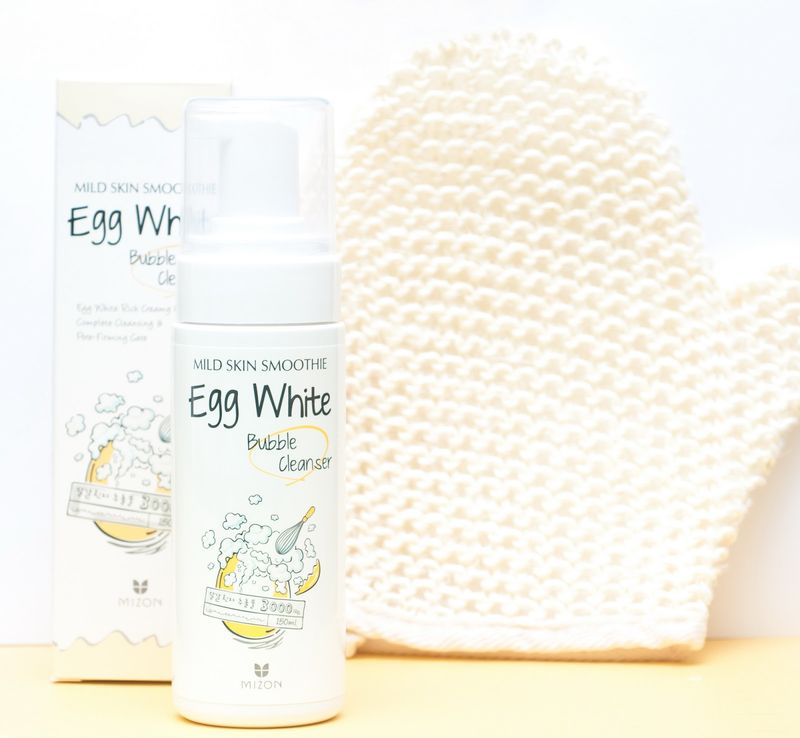
The Mizon Egg White Bubble Cleanser Gives Pores a Deep Clean
Skincare brands can explore the use of food extracts, like egg whites, in products to cater to consumer preference for natural and chemical-free skincare.
The Tony Moly Egg Blackhead Steam Balm Warms to Remove Blackheads
The skincare industry can innovate by incorporating natural and food-inspired ingredients and creating unique product packaging like the egg-shaped container in Tony Moly's egg bl…






