Category
Lifestyle
Serial Snacking
Combining two passions into one, edible art includes sculptures, ads and designs with.

Trend
Edible Art: Description
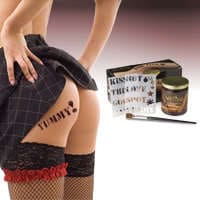
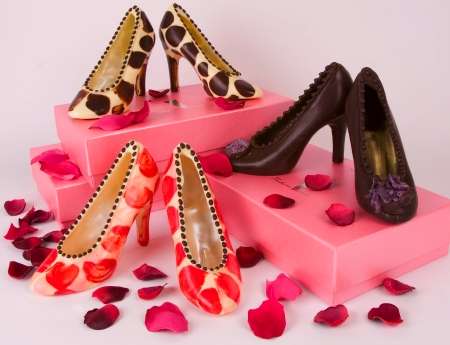
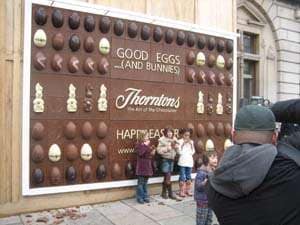
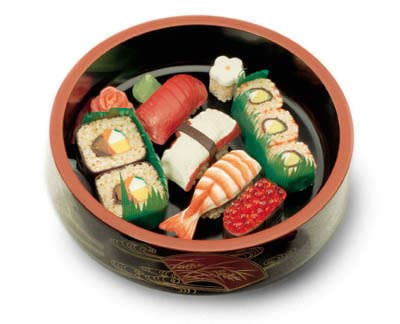
Several examples of edible art have emerged, including: chocolate figurines, footwear, sushi and even an anatomically correct heart. Other edible art includes chocolate tattoos, graffiti wrapped chocolate, and lifestyle billboards.
Implications
Edible art can be used either to add a luxurious twist to a snack or as a marketing tool to promote a brand or product.
Trend themes
Creating edible art adds a luxurious twist to a snack or can be used as a marketing tool to promote a brand or product.
Creating anatomically correct chocolate can provide consumers with one-of-a-kind products that are able to generate a large sense of shock as it they will stand out amongst other organizations
Designing interactive chocolate billboards and packaging can inspire viral buzz and positive brand perception.
Industry implications
These trends are highly relevant to the food and beverage industry in terms of creating unique food items and packaging for consumer consumption.
These trends are highly relevant to the marketing and advertising industry in terms of creating unique and attention-grabbing campaigns.
These trends are highly relevant to the art and design industry in terms of creating new media of art pieces and processes.
Trend signals
Trend score 4.0 out of 10, from popularity 63%, activity 49%, freshness 8%.
Evidence
Body Talk Marks Your Flesh with Chocolate
Partner with bakeries or chocolate companies to create edible body art made from chocolate that can be marketed as a fun and unique food product.
Luxurious Chocolates By Theobroma Cacao
Disruptive innovation opportunity: Introduce unique flavor combinations and artistic designs to the gourmet chocolate industry.
World's First Chocolate Billboard
The advertising industry can leverage 3-D billboards, guerrilla marketing, and interactive outdoor advertising to create impactful and engaging campaigns.
Indulge with Sushi Themed Chocolates
The luxury chocolates industry can continuing to innovate its offerings by creating unique and visually appealing products, such as sushi-themed chocolates.
6 Foot Tall Anatomically Correct Chocolate Jesus
The food and beverage industry can explore the potential of using chocolate and other edible materials to create visually stunning and edible products, appealing to consumers' tas…
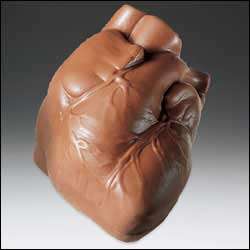
This Chocolate Heart Beats for Your Belly
In the food and beverage industry, creating anatomically correct desserts can provide a disruptive innovation opportunity by offering a memorable and unusual dining experience.