



Category
Lifestyle
Assisted Choices
Looking to offer nutrients on a budget, parents turn to homemade meals.
Trend
Economical Infancy: With the cost of maintaining a comfortable upbringing for children often reaching staggering amounts, opting for organic, and often pricier health food items can be challenging for families who are tight on a budget. Seeking to offer nutritional goods in a more cost-effective manner, parents are turning to homemade infant meals to combine the need for nourishment with more accessible, economic means.
Trend themes
Parents are looking to make their own, fresh and nutrition-packed baby food, rather than relying on processed jars of baby food.
Parents are finding ingenious ways to sneak healthy ingredients into their kids' favorite snacks, with the hope of getting them to eat more healthily.
Families on tight budgets are opting for homemade meals that are nutritious and cost-effective.
Industry implications
The food industry has an opportunity to create more affordable and nutritious options for parents of infants and young children.
The kitchen appliance industry can innovate and create appliances that make it easier for parents to prepare homemade baby food.
The e-commerce industry can offer platforms that streamline the ordering and delivery of affordable, healthy, homemade infant meals.
Trend signals
Trend score 3.7 out of 10, from popularity 55%, activity 48%, freshness 8%.
Evidence
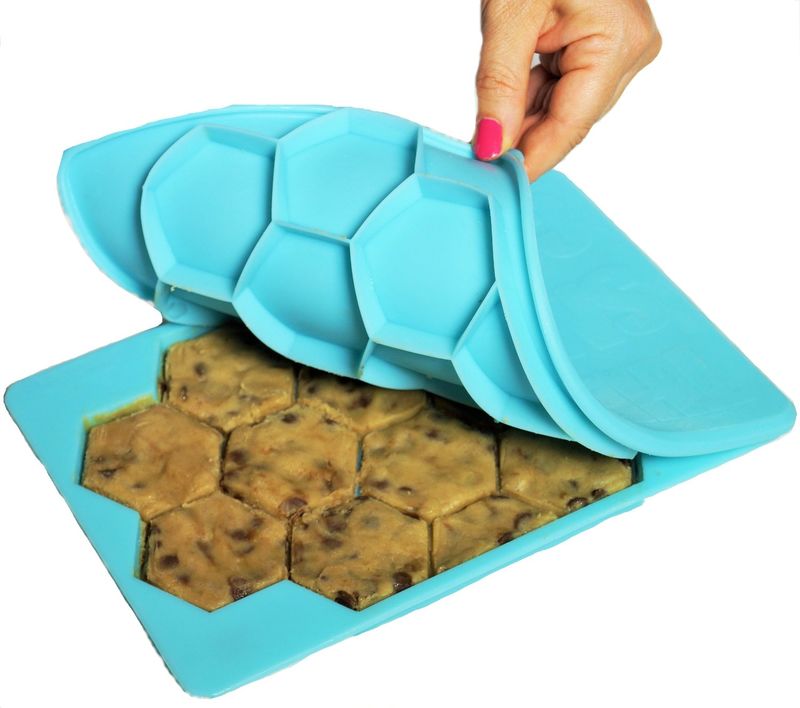
The Smart Cookie Tray is a Silicone Mold That Shapes and Stores Homemade Dough
The Smart Cookie Tray's silicone mold concept presents opportunities for kitchen utensil manufacturers to disrupt the market with innovative and versatile products that enhance th…
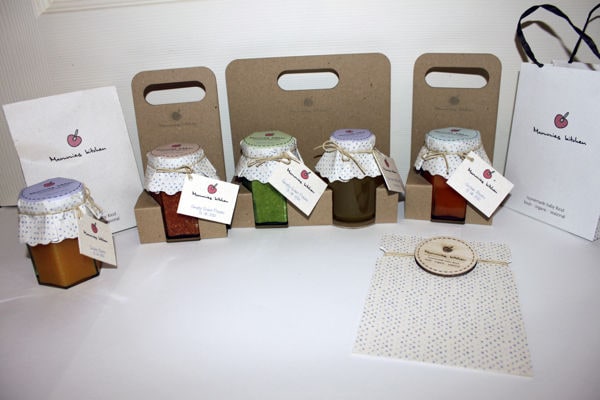
This Homemade Organic Baby Cuisine is Prepared Naturally
Disruptive innovation opportunity in the baby food manufacturing industry by introducing organic and homemade options.
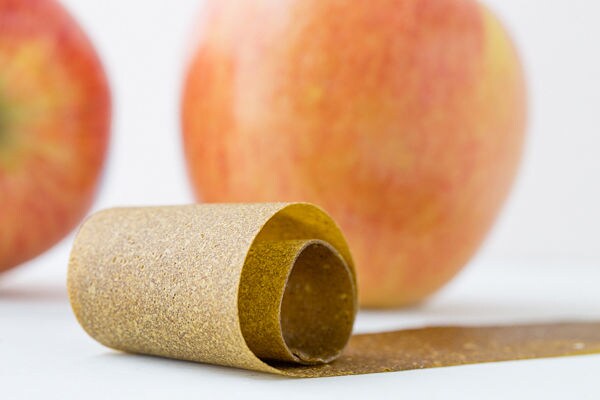
Oh My Veggies Helps Make a Fruit Leather with a Healthy Surprise
The food and beverage industry can explore the development and marketing of secretly healthy snacks to cater to health-conscious parents seeking nutritious options for their child…
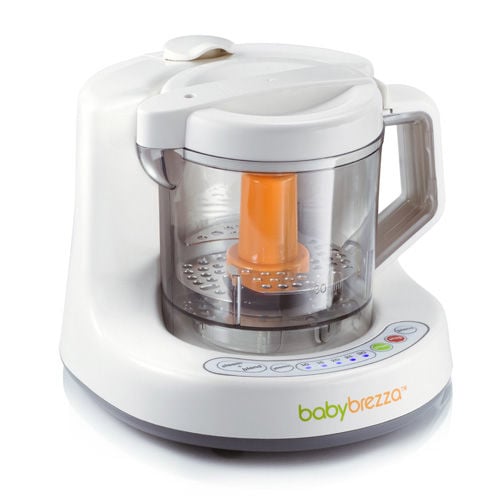
The Baby Brezza One Step Baby Food Maker is a Game Changer
Opportunity for disruptive innovation in the baby food industry with the development of advanced baby food processors that cater to the growing demand for homemade baby food.






