



Category
Lifestyle
Assisted Choices
Intuitive technology reveals a consumer need to improve emotional well-being.

Trend
Automated Emotion: The current emphasis on well-being is not limited to physical health and fitness; predictive and intuitive technology can also measure, track and augment human emotion by manipulating internal and external factors. Tech products geared towards emotional well-being indicate that achieving a high level of happiness is important to individuals, and that consumers are willing to use emerging technology to achieve those goals.
Trend themes
Wearable technology helps track emotional well-being and make suggestions for improving mood.
Apps utilizing voice analysis can detect emotions and suggest solutions for negative feelings.
Jewelry with embedded sensors can track various biometric data points to determine emotional and mental states of users.
Industry implications
Emotion-tracking devices and biometric sensors are creating new markets in the wearable technology industry.
Technology is revolutionizing the way we think about and approach mental health, creating vast business opportunities in the industry.
High-tech jewelry and wearables are merging with fashion, with companies focusing on design innovation and technology.
Trend signals
Trend score 5.0 out of 10, from popularity 76%, activity 65%, freshness 8%.
Evidence
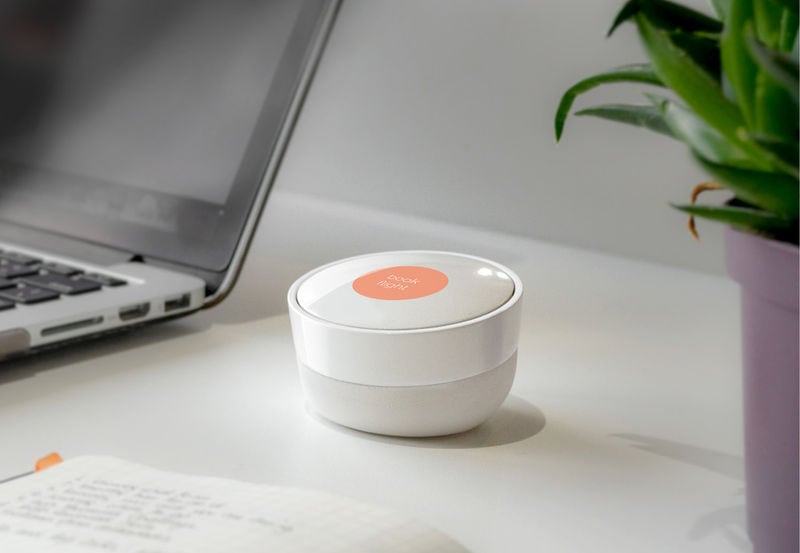
Bossy is a Unique Stress Ball with a Ton of Tech Capabilities
Disruptive innovation opportunity: Integrate technology into wellness products to enhance their stress-relieving and time management capabilities.
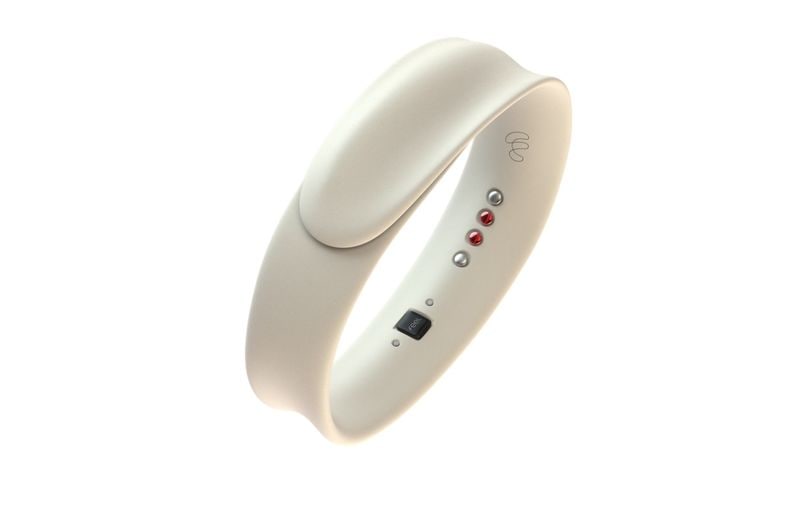
Sentio Solutions' Feel Band is Being Unveiled at CES 2016
The wellness industry will need to pay attention to emotion-tracking wearables as they can evolve the industry into a more personalized emotional health and wellness programs.
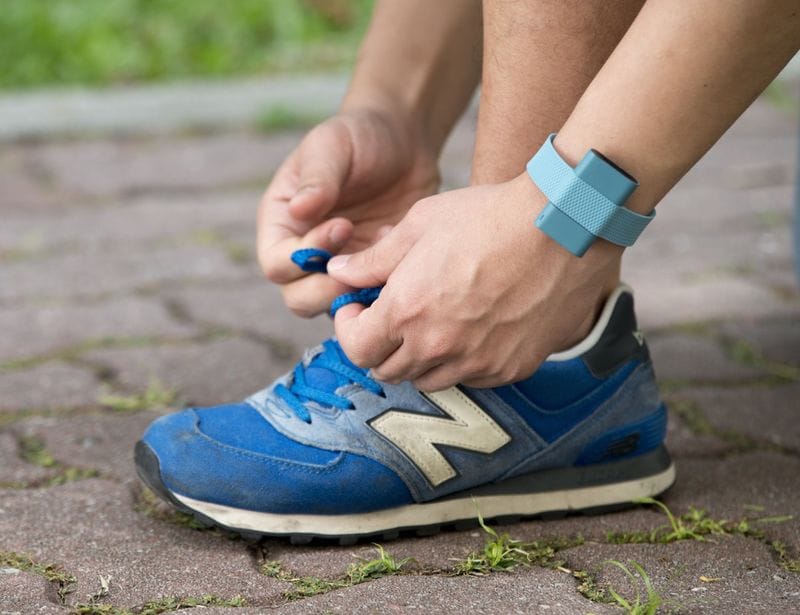
The 'Sence' Wearable Trackers Lets Users Track Their Emotional State
The healthcare industry can leverage Sence wearable trackers to develop customized mental health interventions based on emotional patterns.
Vinaya's Technological Jewelry Can Create Art Out of the User's Emotions
Opportunity for disruption: Incorporate emotion-sensing technology in healthcare to provide personalized treatments and mental health monitoring.
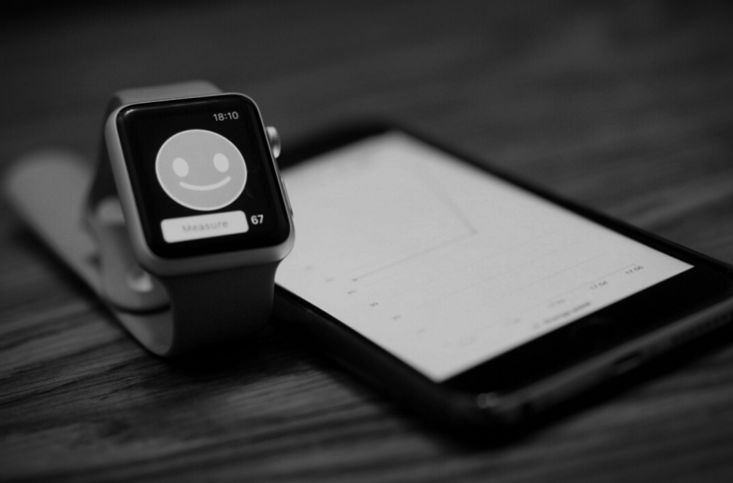
The EmoWatch App Recognizes If a Person is Happy or Sad
Healthtech companies can explore incorporating mood-sensing technology into their existing platforms for mental health monitoring and support.






