



Category
Lifestyle
Assisted Choices
Seeking time for bonding, parents turn to more efficient meal routines.
Trend
Cuisine Acceleration: With newborns requiring constant care and attention, daily meal routines and preparations can serve to sacrifice overall quality time. Seeking to encourage familial bonding, parents are turning to high-tech cuisine devices to help make meals less time-consuming, allowing for more one-to-one interaction. Self-sufficient meal makers reflects a move away from traditional routines, toward more accessible, and instantaneous methods of consumption.
Trend themes
Products are being developed and refined to help make mealtime less time-consuming and more interactive
New and innovative cooking products are being developed to provide parents and caregivers with one compact device that can prepare, cook, and store baby meals
Products featuring thermochromatic properties are being developed and added to baby products to indicate safe consumption temperature
Industry implications
Continuously developing new products that cater to the unique needs of parents and infants
Developing smart home devices specifically designed for infant care
Encouraging development of multi-purpose kitchen appliances that make mealtime efficient, nutritional, and innovative
Trend signals
Trend score 2.6 out of 10, from popularity 33%, activity 36%, freshness 8%.
Evidence
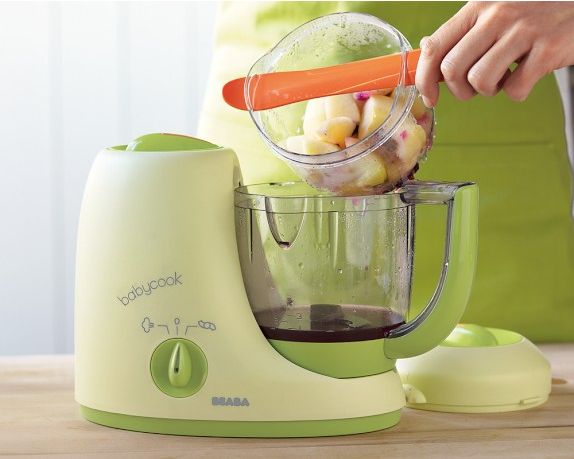
The Beaba Babycook Cooks in More Than One Way
The baby food industry can benefit from producing versatile infant food cookers in order to meet customer demand.
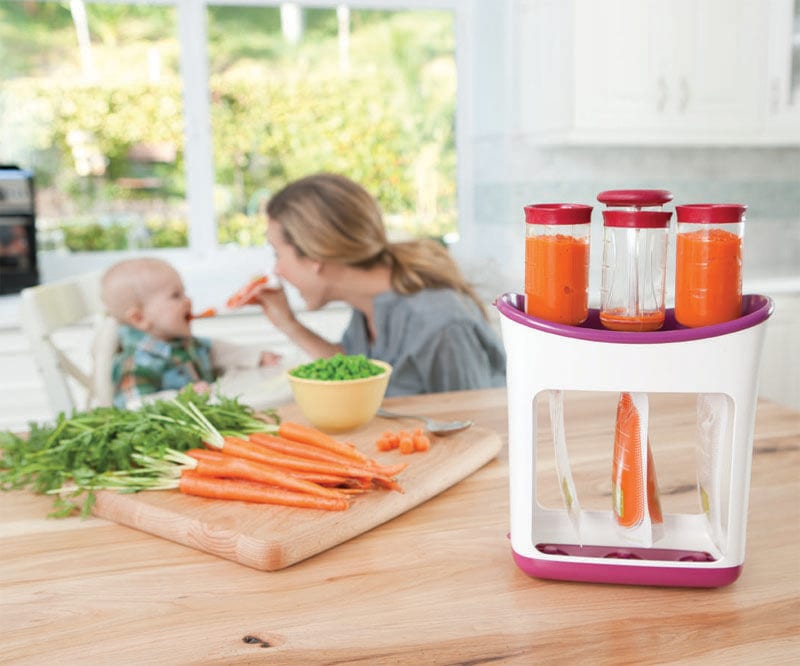
Infantino's Squeeze Station Makes Packaging DIY Baby Food a Breeze
Opportunities for disruptive innovation include developing new products, such as plant-based baby food or expanding into personalized meal subscriptions for infants.
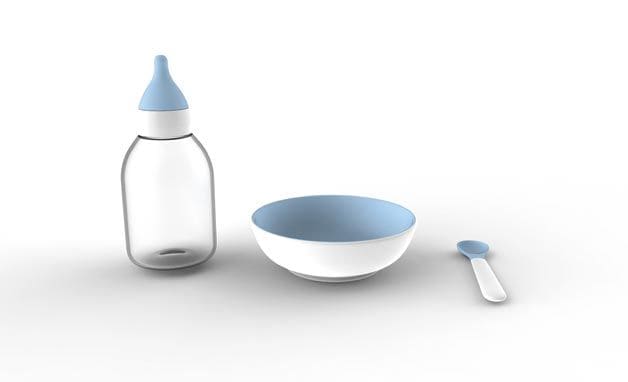
The Sense Infant Collection Indicates a Safe Consumption Temperature
The baby industry can integrate thermochromatic materials in various feeding and other baby products.
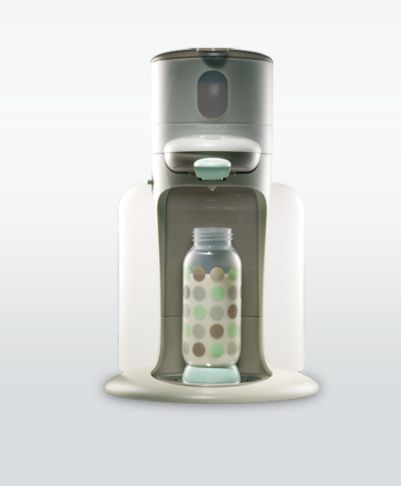
Beaba's Baby Bottle Warmer is Sophisticated & Makes Parents' Lives Easier
The baby products industry may benefit from the development of innovative and highly functional baby bottle warmers, which can offer unique features to busy parents.
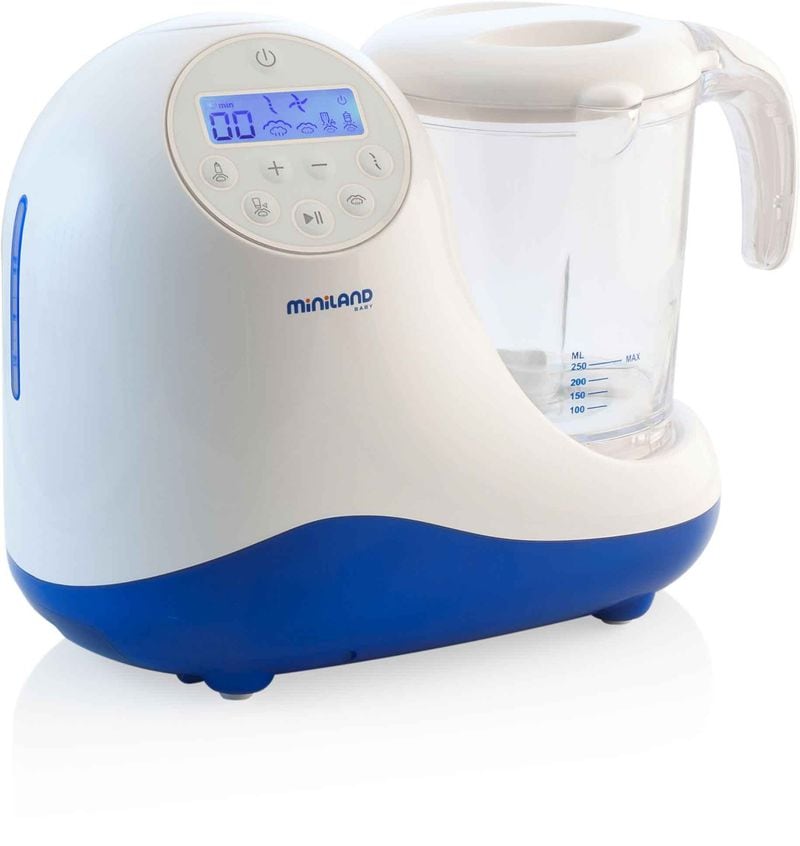
The Chefy 5 by Miniland Baby Can Make Food and Sterilize Baby Bottles
The introduction of robotic baby food devices like the Chefy 5 creates disruptive innovation opportunities for the baby products industry by offering new ways to simplify and enha…






