Category
Lifestyle
Routine Density
Diabetes care is shifting toward simpler, lower-burden medication formats.




What's Happening
Frictionless Dosing: Drugmakers are advancing diabetes treatment beyond the standard daily shot with oral formulations, weekly dosing schedules, and needle-free delivery systems. These lower-burden treatment models are becoming particularly visible in pediatric and caregiver-led settings, where comfort, stress and ease of administration are key to initial use and long-term adherence.
Why It's Happening
People managing diabetes need medication that works clinically and fits the reality of work, school, travel, and caregiving. When treatment feels disruptive or uncomfortable, the burden of staying consistent may rise. Missed doses that add up carry a cost beyond inconvenience, potentially eroding health outcomes for people living with the condition. As convenience becomes part of the therapeutic value proposition, brands that reduce friction around repeated use position themselves to earn trust in chronic care.
Evidence
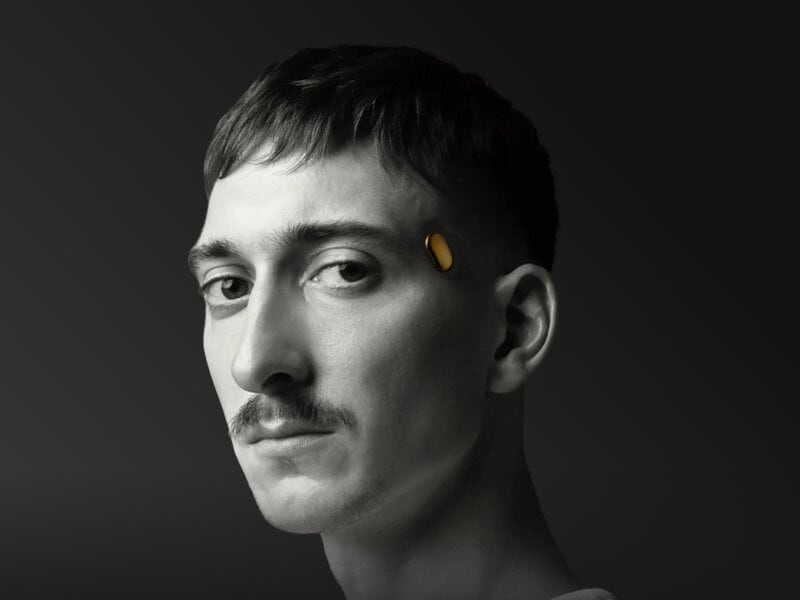
Insu Develops Cheek-Adhering Insulin and GLP-1 Treatments
Patent-protected delivery formats may reshape competitive positioning for insulin, GLP-1, and other peptide-based therapeutic portfolios.
Novo Nordisk Receives FDA Approval for Children's Diabetes Treatment
Less frequent insulin dosing introduces competitive pressure for therapies that combine glycemic control with improved quality-of-life outcomes.
Lilly's Onswik Reduces Basal Injections to Once Weekly
The shift toward once-weekly insulin introduces competitive potential for therapies that improve adherence without compromising glycemic outcomes.
Ascletis Reports Positive Phase II Results for ASC30
Clinical-stage drug developers may find new portfolio value in oral incretin therapies that compete with leading injectable metabolic medications.
Workshop question
How could your brand reduce the day-to-day hassle around a health routine that customers need to repeat for years?
Trend themes
Longer-acting diabetes medications are reframing adherence around fewer recurring treatment moments, creating space for therapies that compete on lifestyle fit as much as clinical efficacy.
Alternative formats such as oral tablets and cheek-adhering systems reduce injection anxiety and administration complexity, opening potential for chronic treatments designed around comfort-led adoption.
Pediatric and family-managed diabetes solutions are emphasizing simpler routines, suggesting opportunity in medication experiences that lower stress for both patients and caregivers.
Industry implications
Drug developers are increasingly differentiating chronic-care portfolios through dosing convenience, delivery innovation, and patient adherence benefits beyond traditional efficacy claims.
Connected reminders, monitoring tools, and care coordination platforms can complement lower-burden therapies by making weekly or oral regimens easier to track over time.
Pharmacy networks, telehealth providers, and care infrastructure companies are positioned around broader access models as simplified diabetes treatments move toward mainstream availability.
Trajectory
Latest reading 5.4 for the week of Oct 26, 2026. Holding over the final 3 scored weeks (±0.0), −0.5 from its peak of 5.9 in the week of Oct 5, 2026. Momentum 0.8/10, persistence 2.5/10, backed by 4 research findings.
Research
GLP-1 Menus
GLP-1 has turned wellness from a broad aspiration into a concrete product engineering brief.
Consumers using these medications have very specific needs around satiety, smaller portions, protein, fiber, hydration, and digestive tolerance, so brands that simplify eating decisions around those needs can become default choices in a fast-growing behavioral segment.
GLP-1 Meal Systems
Consumers want food that helps them stay on track without having to decode complex nutrition advice at every meal.
GLP-1 use has intensified demand for meals that feel medically informed yet still normal, convenient and mainstream, pushing brands to translate clinical behavior change into everyday freezer-aisle choices.
GLP-1 Sidecars
Medication adoption creates new everyday frictions that consumers try to solve with adjacent products rather than with pharmaceuticals alone.
Brands are responding to the need for routines that help users manage side effects, protect muscle mass and feel supported between prescriptions, visits and weigh-ins.
GLP-1 Pantry
As GLP-1 use expands, consumers need everyday food to match changed appetites, tolerances, and health goals.
This creates demand for products that feel nutritionally efficient, easy to tolerate, and clearly signposted without requiring medical expertise. For brands, GLP-1 turns a pharmaceutical behavior into a grocery and menu design opportunity.