
Category
Fashion
Body Convergence
Beauty retailers curate assortments by routine, travel and targeted needs.
Trend
Contextual Discovery: International beauty concepts are using offline retail to help consumers understand and adopt products and routines they aren’t familiar with. Physical, in-person experiences become the point for contextualizing stories, textures and regimens that are challenging to communicate through a standard ecommerce grid.
Trigger
Consumers face an abundance problem in beauty—too many brands, too many steps and not enough confidence in what’s right for them. That overwhelm is compounded when products and routines themselves are unfamiliar. In response, offline retail is curating crowded categories around needs, routines and context rather than product type alone. That reorganization offloads some of the decision-making onto the retail environment itself, giving consumers clarity on what actually fits their specific concern or regimen.
Trend themes
Beauty assortments organized around full regimens, concerns and use moments create room for retailers to replace overwhelming product grids with guided discovery systems that build consumer confidence.
K-beauty, British clinical skincare and pharmacy-inspired concepts are being translated through familiar retail channels, revealing potential for cross-border brands to become more accessible through curated education and exclusive launches.
Ingredient transparency, clinical positioning and expert-developed formulas are reshaping shopper expectations, opening space for evidence-based brands to differentiate beyond trend-driven aesthetics.
Industry implications
Physical stores, gondola displays and exclusive launches are evolving into educational environments where shoppers can understand textures, routines and claims before purchase.
Airlines and travel channels are becoming unexpected discovery platforms for compact wellness and beauty routines that merge convenience with limited-edition exclusivity.
The convergence of skincare, cosmetics and self-care supports new product formats that simplify daily routines while addressing targeted needs such as hydration, barrier repair and gentle efficacy.
Workshop question
Trajectory
Latest reading 7.6 for the week of Aug 3, 2026. Holding over the final 3 scored weeks (±0.0), −1.0 from its peak of 8.6 in the week of Jul 13, 2026. Momentum 5.2/10, persistence 2.5/10, backed by 4 research findings.
Evidence
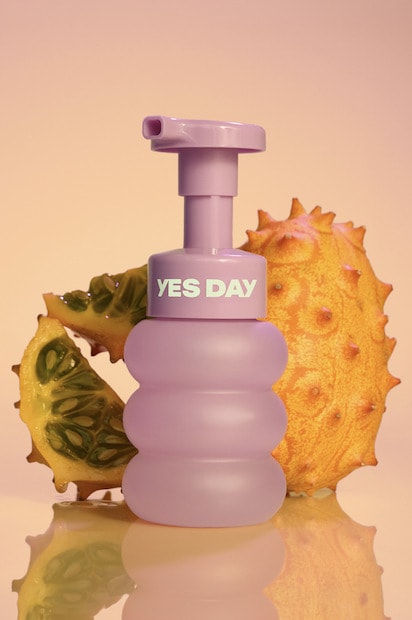
Urban Outfitters Supports Yes Day Beauty's Us Debut
Curated launches of niche skincare brands can strengthen store traffic by positioning retailers as gateways to next-generation beauty discovery.
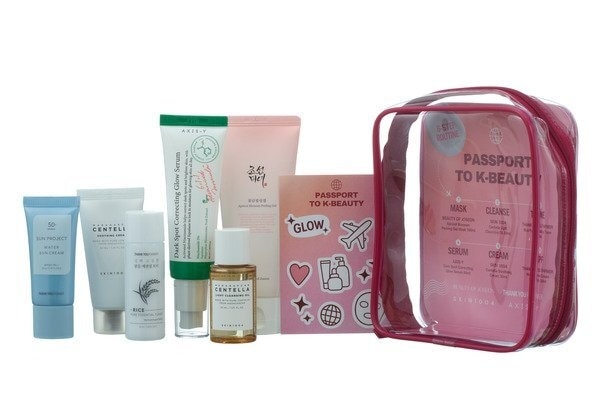
EasyJet Launches an Exclusive Korean Skincare Box Onboard
Carriers are positioned to turn captive travel moments into branded retail experiences that strengthen loyalty and expand non-ticket revenue.
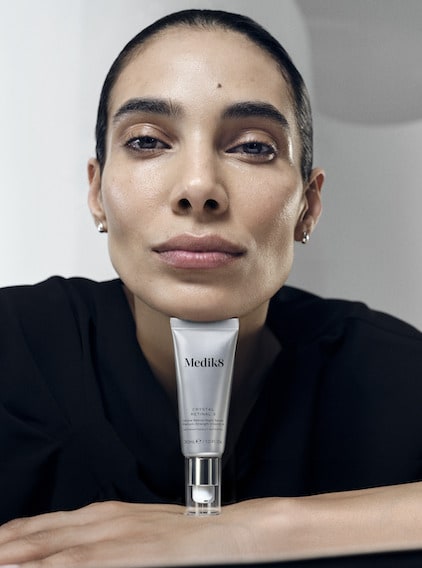
Medik8 is Now Available in Sephora North America
The expansion of clinical brands through major beauty retailers signals new competition around expert-led product curation and differentiated store experiences.
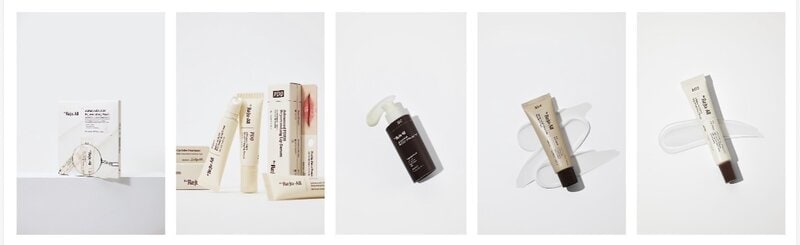
Dr. Reju-All Brings Pharmacy-Inspired Korean Skincare to Ulta Beauty
Major retailers are expanding science-backed skincare assortments, positioning stores as discovery hubs for clinically guided global beauty brands.
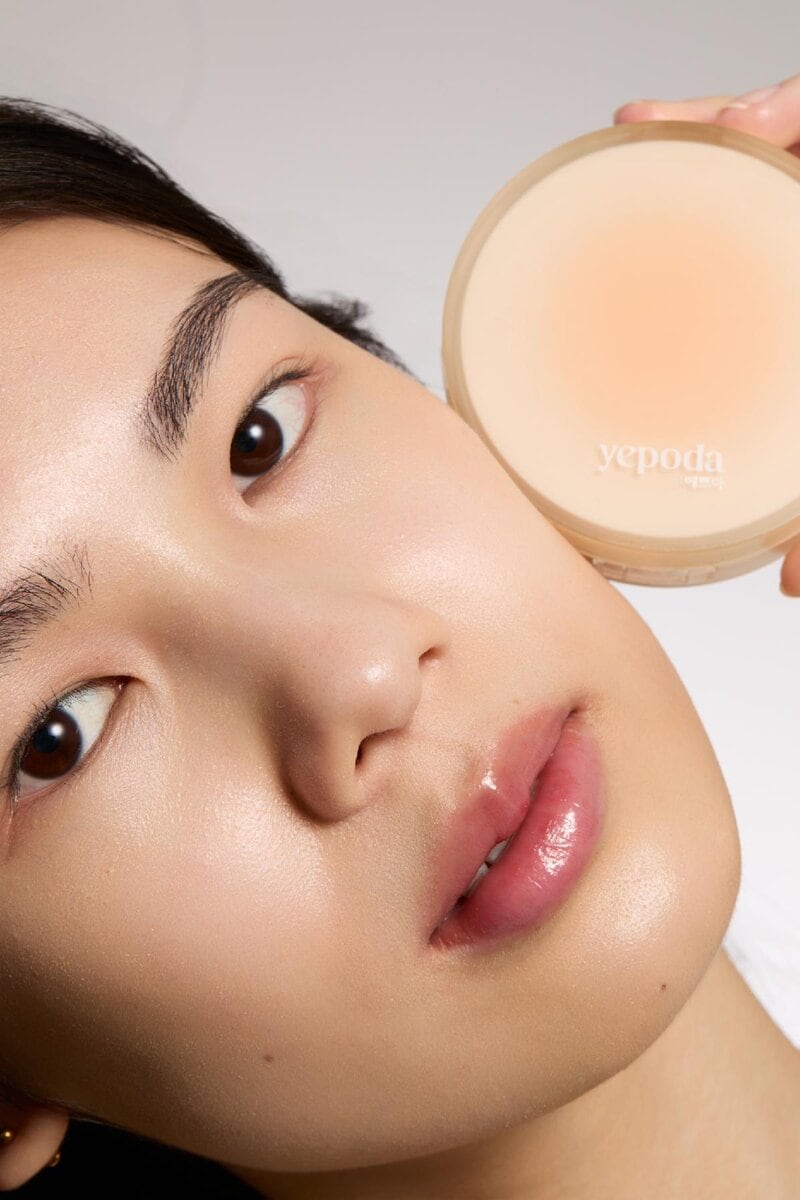
Yepoda Enters the US Market Through Sephora
Prestige retail partnerships create new pathways for international brands to scale discovery, sampling, and consumer trust in competitive markets.
20 Trend Hunter articles were grouped into the wider weekly cluster this trend was identified in, over 2 weeks.
 Sorority Beauty BodegasSephora at Kohl’s Returns with the 'Beauty Corner' Activation
 Beauty Brand AcceleratorsRare Beauty Brands and JCPenney Support Emerging Beauty Founders
 Boutique-Format Beauty ConceptsSephora Carnaby Street Centers on Personalization and Curation
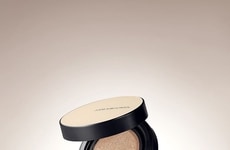 Artistry-Led K-BeautyJUNGSAEMMOOL Expands Its Professional Makeup Collection into Sephora
 In-Store Daytime PartiesLush's Beats ‘n’ Barnets Offers Complimentary Hairstyling and Makeup
 Gummy-Topped Froyo TreatsLemme x Mimi’s Frozen Yogurt Celebrates a New Launch
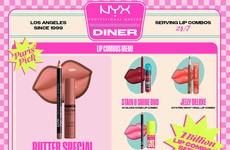 Savvy Beauty CampaignsIf You NYX, You Know Volume 2 Celebrates NYX's Community
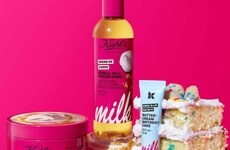 Dessert-Like Bodycare CollectionsThe Kiehl's x Milk Bar Collab Taps into the Joy of Sweet Treats
 Performance Care DuosHumanrace's Body Scrub and Lotion Support Renewal & Recovery in Tandem
 Sensorial Summerween BodycareThe 2026 Lush Cosmetics Halloween Collection Launched Mid-July
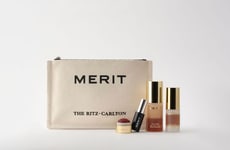 Hospitality Beauty CollaborationsMERIT and the Ritz-Carlton Turn Stays into Beauty Experiences
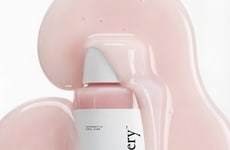 French Oral Wellness BrandsThe Smilery is Launching Its Products in the United States
Research
Playable Retail
Consumers increasingly expect stores to give them something to do, not just something to buy.
Participation turns retail into a low-stakes performance space where people can test identity, make content, and co-create the shopping moment. In an era of online convenience, interaction becomes the justification for showing up in person.
Do-Something Stores
Stores now have to justify the trip in ways e-commerce cannot.
Participation matters because consumers increasingly want tactile discovery, social content opportunities, and memorable interaction, turning the visit itself into part of the product value rather than a prelude to checkout.
Phygital Hangout Stores
Shoppers, especially younger ones, increasingly see stores as places to socialize, experiment, and create content—not just to transact.
At the same time, they expect digital tools to de-risk choices before they arrive. Retailers that treat locations as phygital playgrounds—where curation, tech, and human service intersect—can turn visits into experiences worth leaving the house (and posting) for.
Participation Stores
Stores increasingly justify themselves by giving consumers something the feed cannot: trust, interaction, and a sense of being part of a scene.
Retail spaces that invite touching, tasting, filming, and socializing become more defensible in an era when routine replenishment can happen anywhere.