Category
Life-Stages
Constructible Franchises
Children's toys aim to teach diversity and equality.

Trend
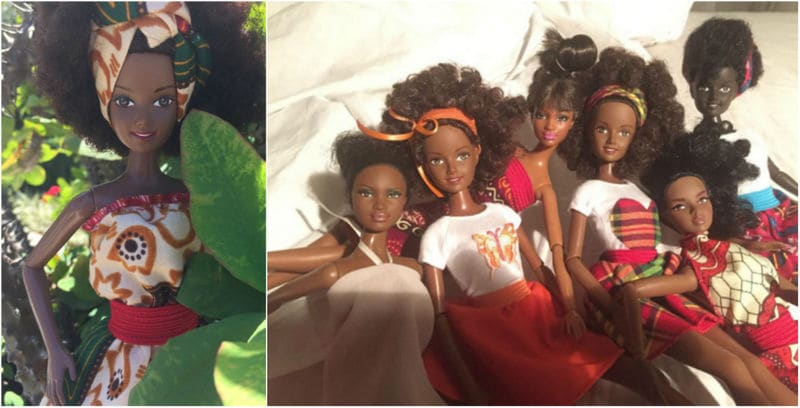
Conscientious Play: The diversity in children's toys, especially dolls, is growing, as the demand for representation becomes deafening. Beyond equal representation, these toys reflect a desire amongst Millennial parents to educate their children on the differences between people. Conscientious play speaks to an interest in education that is rooted in real-world issues rather than abstract principles.
Trend themes
As demand for representation grows, brands can create lines of toys that reflect real-world issues rather than abstract principles.
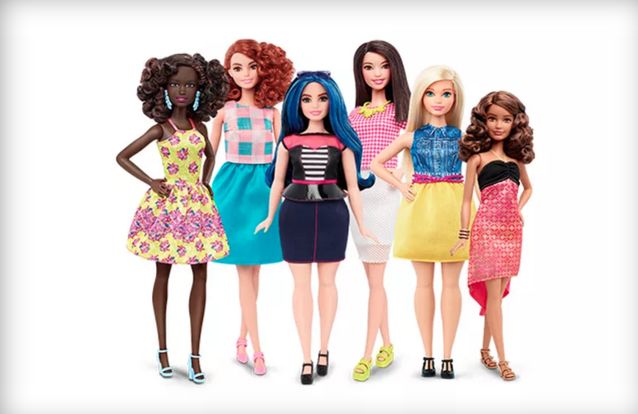
Entrepreneurs can create dolls that celebrate a variety of skin tones, hair textures, and cultural backgrounds.
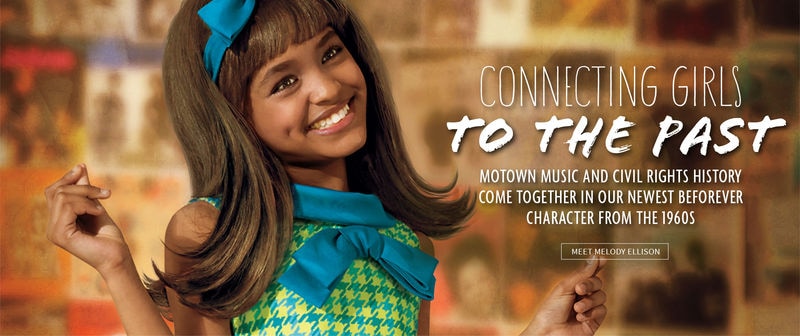
Businesses can create dolls that represent important historical figures and movements that children can learn from and be inspired by.
Industry implications
In this industry, inclusivity and historical education can create a strong competitive edge that enhances brand loyalty.
This industry can use dolls as marketing tools to celebrate different body types, skin tones, and cultural aesthetics.
By incorporating diverse dolls into the classroom, teachers can teach children about different cultures and social movements in an engaging way.
Workshop question
Trend signals
Trend score 3.8 out of 10, from popularity 44%, activity 61%, freshness 8%.
Evidence
Mala Bryan Created a Line of Dolls That Celebrate Black Beauty
The toy manufacturing industry can disrupt the market by producing more diverse dolls that cater to a wider range of children.
This Instagram Account Shows Barbie Wearing a Hijab in Stylish Ways
The toy industry has an opportunity to create a wider range of diverse dolls that reflect different cultures and religions.
This Historical Doll Teaches Young Girls About the Civil Rights Movement
Disruptive innovation opportunity in creating dolls that combine entertainment with education.
The Latest Barbie Fashionistas Line Boasts Curvy, Tall and Petite Models
The toy industry can create more inclusive and diverse toys to encourage acceptance in children.