

Category
Lifestyle
Baseline Support
What's Happening
Connected Ink: Tattoo culture has come a long way in the past few years, transitioning from an underrepresented art form to a widely accepted form of self-adornment. Further updating the phenomena, Connected Ink combines tattoos with technology. This speaks to both the truly mainstream status of tattoo art, and the necessity of technology in modern society.
Evidence
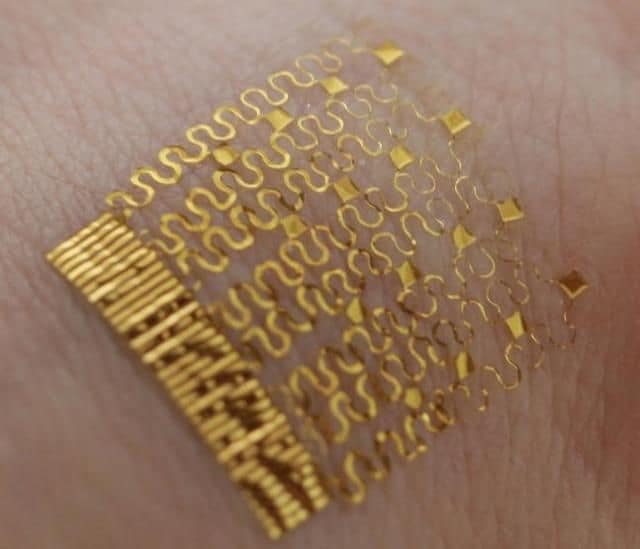
Bionic Skin Can Detect the Human Body's Internal Temperature
Opportunity for disruptive innovation in developing temperature tracking technologies that can improve patient care and monitoring.
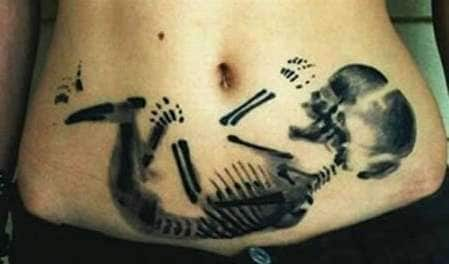
This Odd Tattoo is Interesting But Slightly Disturbing at the Same Time
Tattoo artists can explore innovative and unique designs that stand out from traditional tattoos and cater to niche markets like customers interested in morbid, anatomy-inspired t…
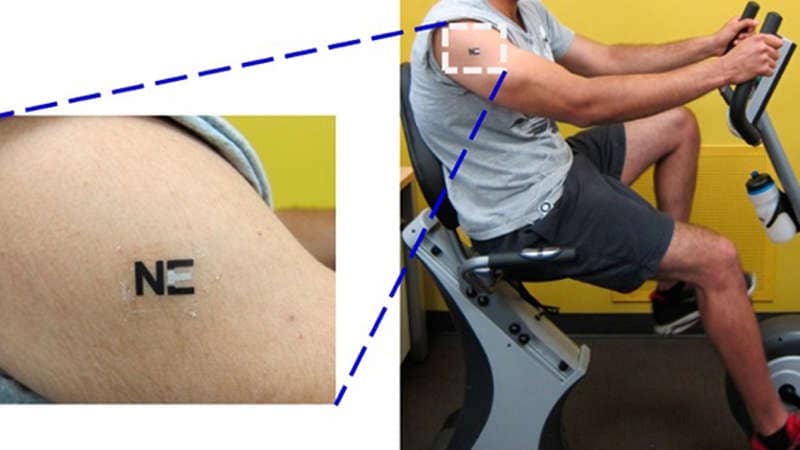
This Biosensor is a Temporary Tattoo That Alerts Athletes of Over-Exertion
This industry can explore the development of innovative biosensor devices and wearable technologies tailored for athletes to enhance their performance and prevent injuries.
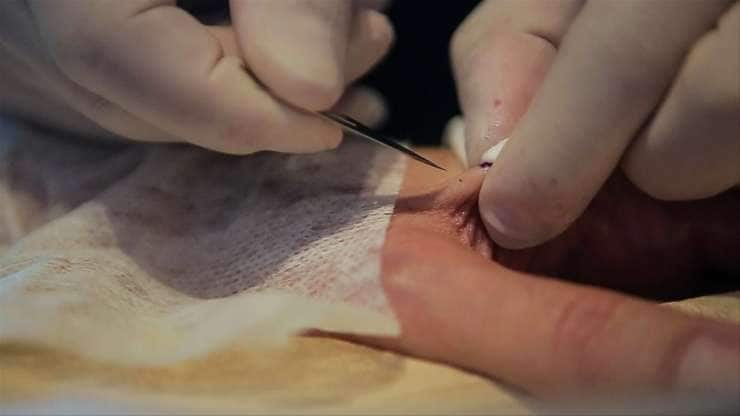
Artist Anthony Antonellis Embeds a Re-Programmable Chip into His Hand
RFID chip implants could be used to enhance medical treatment and manage patient data.
Trend signals
Trend score 3.9 out of 10, from popularity 59%, activity 50%, freshness 8%.
Trend themes
The integration of technology with tattoos presents disruptive innovation opportunities for the beauty, healthcare, and technology industries.
The use of non-invasive biosensors presents disruptive innovation opportunities for the sports, healthcare, and technology industries.
The use of RFID implantable chips presents disruptive innovation opportunities for the security, technology, and healthcare industries.
Industry implications
The integration of technology in tattoos presents an opportunity for the beauty industry to provide a unique and personalized experience for customers.
The use of non-invasive biosensors presents an opportunity for the sports industry to monitor athlete's performances and prevent injuries.
The use of RFID implantable chips presents an opportunity for the security industry to enhance identification processes and data storage methods.