



Category
Lifestyle
Assisted Choices
Sports-specific tech enables an individual to train themselves.
Trend
Digital Training: The goal of many gadgets and apps is complete self-sufficiency, a concept that is infiltrating even the world of athletics. The once-exclusive realm of professional athletics is more attainable for the average consumer with technological assistance, serving as an accelerated version of the idea that anyone can learn to be talented given the right equipment.
Trend themes
The development of sports-specific tech creates an opportunity to enhance athletic ability for enthusiasts and professionals alike.
Personalized coaching technology creates an opportunity to guide athletes in real-time, providing targeted feedback on technique and form.
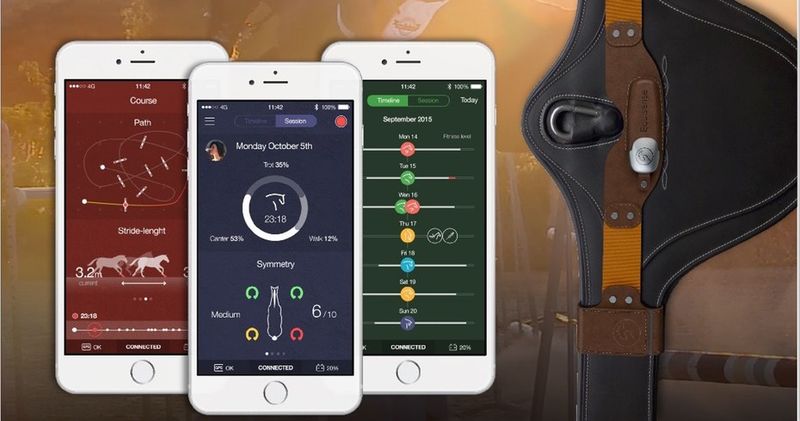
Animal monitoring technology creates an opportunity to optimize equestrian performance by measuring the horse's speed, stride length, jump trajectory, movement symmetry, and gait.
Industry implications
Companies in the sporting goods industry can benefit from developing and marketing innovative sports-specific technology.
Companies in the fitness and wellness industry can use sophisticated tech to personalize coaching and provide a more effective workout experience.
Companies in the animal healthcare industry can improve athletic performance by creating monitoring gadgets to track and analyze animal health and activity.
Trend signals
Trend score 4.4 out of 10, from popularity 76%, activity 48%, freshness 8%.
Evidence
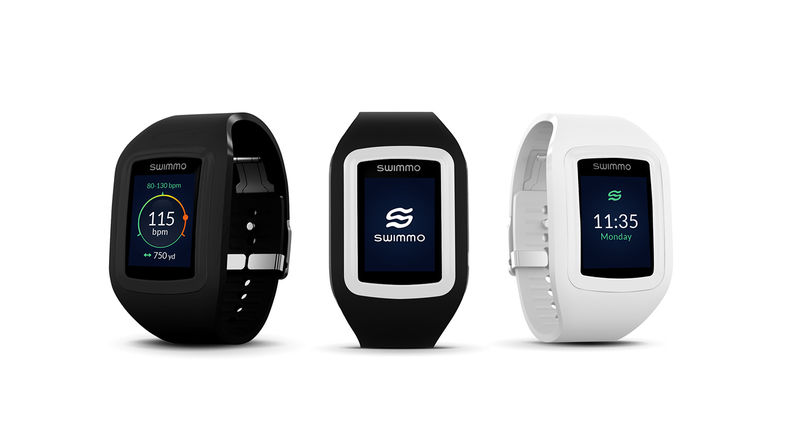
This Sleek Performance Watch is Designed for Swimmers
The Swimmo is at the forefront of disrupting the sports technology industry by introducing a performance watch specifically designed for swimmers.
The Balios Device Monitors the Performance of Sport Horses
The development of equestrian health monitoring gadgets could disrupt the equestrian industry by providing enhanced training and safety measures for horses.
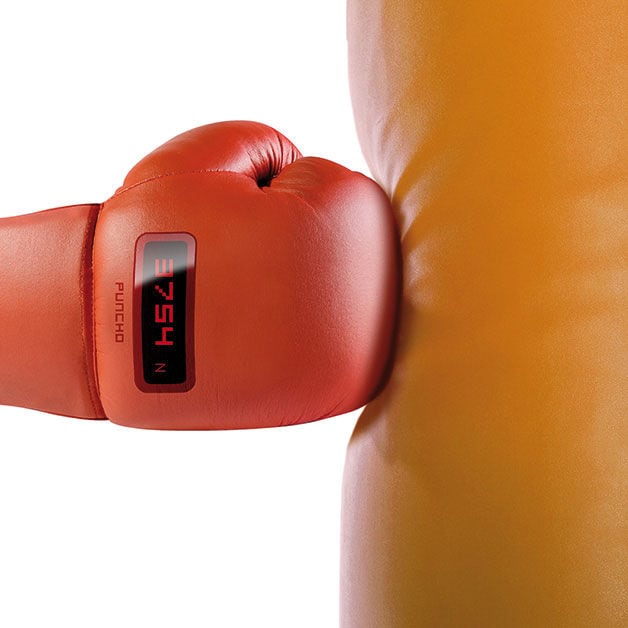
The Puncho Tracks the Strength of Its User and Shares Stats Through an App
Fitness centers and sports equipment manufacturers can leverage smart boxing gloves to enhance training programs and attract tech-savvy customers.
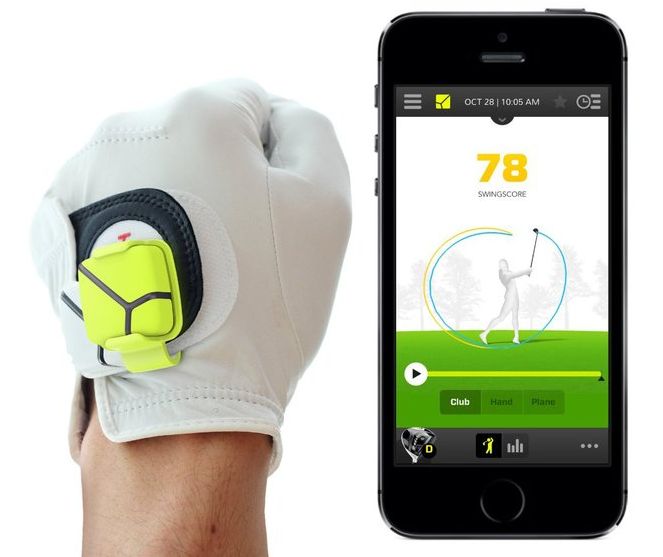
Zepp Unveiled its 3D Golf Training System for Golf Enthusiasts
The sports technology industry can leverage the trend of smartphone golf training systems to create innovative products that enhance athletes' performance and training.






