Category
Art & Design
Sensory Packaging
Products inspired by batteries speak to society's dependence on digital goods.
Trend
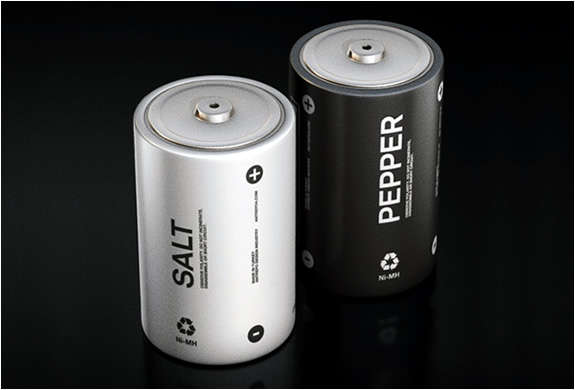
Charged Creation: Most of today's tech-savvy consumers cannot go an hour, let alone a minute, without using some gadget or tech device. Attached to our mobile devices, especially, we are increasingly becoming depending on digital technology, which further translates into a dependence on batteries. Hence, creative product designers are using the image of the battery as influence for non-chargeable items, such as kitchenware and packaging, which are as quirky and novel as they are stunningly symbolic of our alarming digital fixation.
Trend themes
Designers are using symbols of daily usage like batteries, to add more personality to everyday products.
Products with quirky designs and unusual shapes are gaining popularity as they stand out from typical ones.
Innovative packaging designs provide aesthetically pleasing products to users along with the primary functions of the product.
Industry implications
Industrial designers can capitalize on the new trend of quirky product designs to add more personality to everyday products.
Packaging designers can use unusual designs to give a fresh look to the familiar products.
The food and beverage industry can take inspiration from the battery-inspired packaging designs to invent new quirky food packaging designs.
Trend signals
Trend score 3.1 out of 10, from popularity 45%, activity 39%, freshness 8%.
Evidence
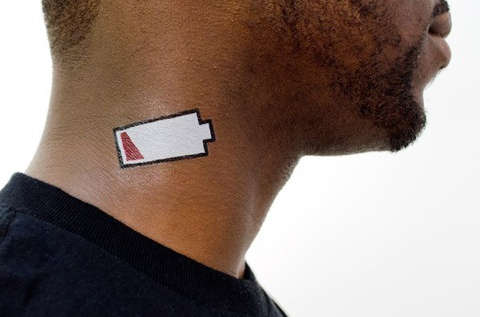
The Christoph Niemann Low Battery Tattoo is Cleverly Communicative
Opportunity for companies in the fashion and accessories industry to expand their product lines with playful and trendy temporary tattoos.
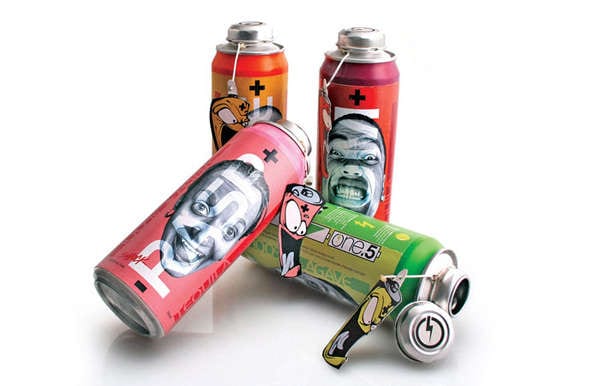
Visually Stimulaing One.5 Tequila Packaging Delivers a Sensory Boost
Opportunity for alcoholic beverage companies to differentiate themselves with creative packaging and branding.
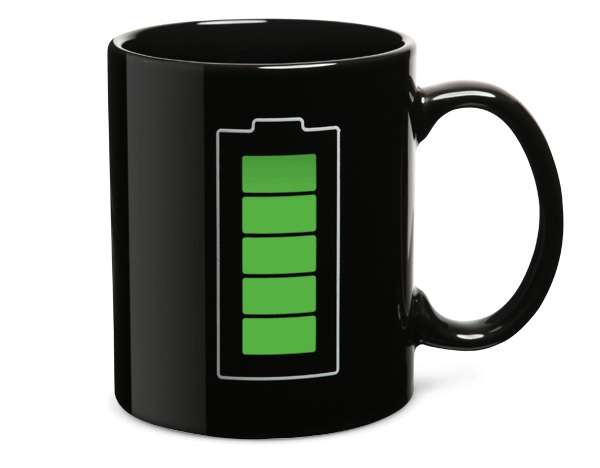
The ThinkGeek Battery Thermokruzkhus Mug is Geeky
The smart mug trend presents opportunities for kitchenware companies to develop innovative products that enhance the drinking experience.
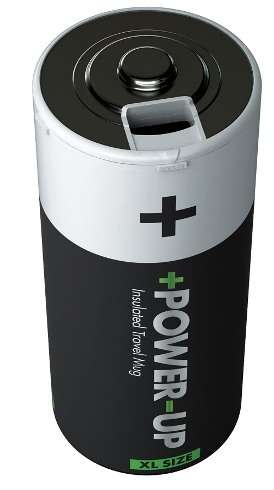
The Power Up Insulated Travel Mug is Incredibly Deceiving
The drinkware industry can explore innovative designs and concepts, like the battery-inspired travel mug, to create exciting new products that appeal to consumers.
Bring Flavor to Food with the Quirky Salt & Pepper Cell
The kitchenware industry can capitalize on the trend of incorporating quirky elements into food accessories by creating unique and playful utensils and gadgets.