Category
Lifestyle
Assisted Choices
Religion and pop culture collide as idolism is taken a step further.

Trend
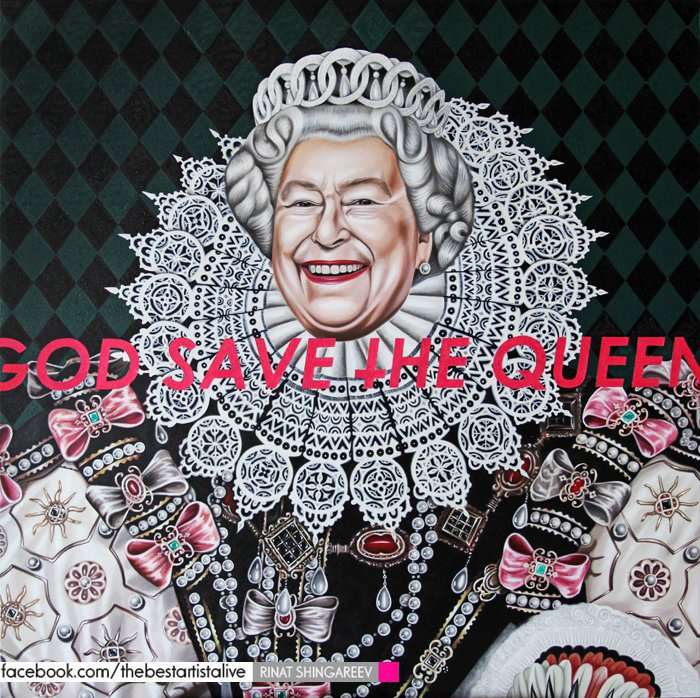
Literal Celebrity Worship: The availability of information on the web means the modern consumer can feel as close to celebrities as possible, causing the line between admiration and worship to blur. Superfans take this a step further by creating semi-religious pieces dedicated to public figures. Whether this merchandise is truly a product of love or meant as satire, it provides commentary on how high a priority pop culture is to the modern consumer.
Trend themes
The line between admiration and worship continues to blur as modern consumers feel closer to celebrities than ever before.
Consumers' desire for past memories in pop culture is influencing the creation of nostalgic merchandise and experiences.
Using religious imagery and practices in pop culture merchandise is becoming more popular in a satirical manner.
Industry implications
The rise of celebrity worship highlights the need for the entertainment industry to adapt to the changing nature of fandom.
The popularity of nostalgia marketing presents an opportunity for marketers to tap into consumers' emotions and memories.
The use of religious imagery and practices in pop culture merchandise could be a potential threat or opportunity for the religious industry to address.
Trend signals
Trend score 3.6 out of 10, from popularity 50%, activity 50%, freshness 8%.
Evidence
These Pop Culture Photos Capture the Essence of the Exalted
Disruptive innovation opportunity: Pushing the boundaries of traditional artistry and creating provocative artworks in the art and design industry.
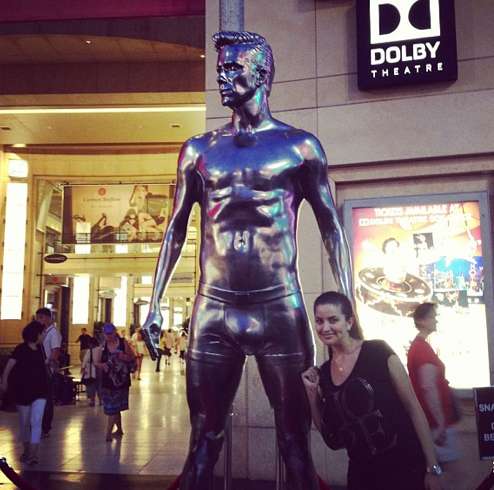
The Shiny and Nearly Nude H&M Beckham Monuments are Eye-Catching
Fashion brands can utilize interactive celebrity campaigns to increase brand awareness and sales.
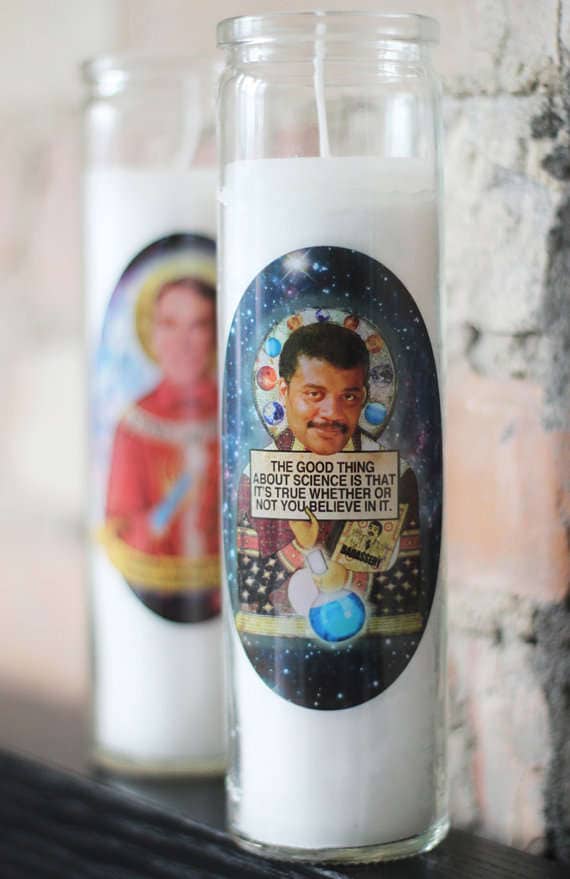
Let a Nerdy Candle from the 'twerkstore' Illuminate Your Life
The home decor industry can tap into the demand for unique and humorous products by creating and marketing candles featuring pop-culture science icons.
The Clueless Candles Are a Nostalgic Matchmaking Light
Potential in the home fragrance industry to create candles that cater to customers' nostalgia and pop culture interests.