Category
Lifestyle
Baseline Support
Brands offer consumers new forms of pragmatic education.

What's Happening
Branded Pragmatism: Understanding consumers' desire to learn practical, real-world skills, many brands and big businesses have begun to offer more pragmatic forms of education. This shift not only marks a departure in terms of what skills are considered valuable; it also positions brands as a trusted resource for consumers' personal betterment and self-improvement.
Evidence
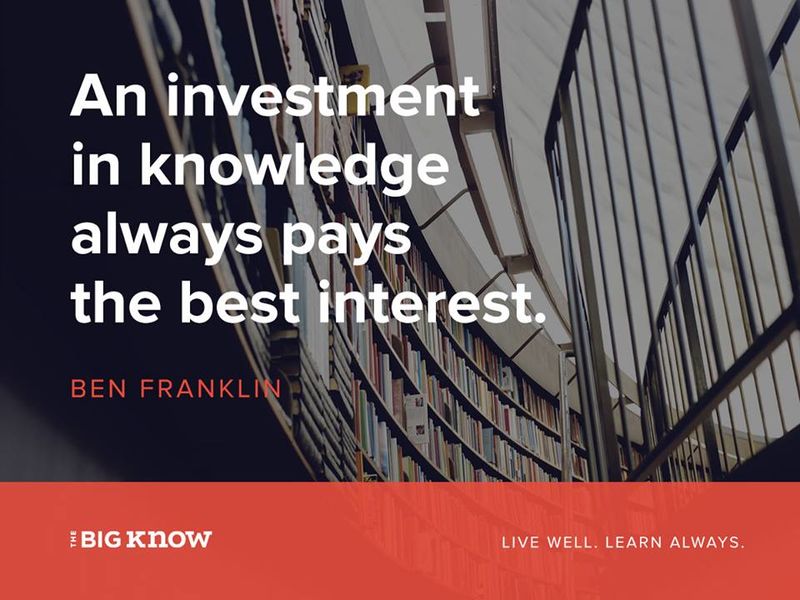
The Big Know Offers Online Learning by the Biggest Brands' Top Experts
Disruption opportunity for the online education industry to collaborate with brands and offer specialized courses led by industry experts.
You Can Get Financial Advice Services Over Coffee and Wine
Financial institutions can create innovative spaces and programs to provide personalized financial advice and education for millennials.
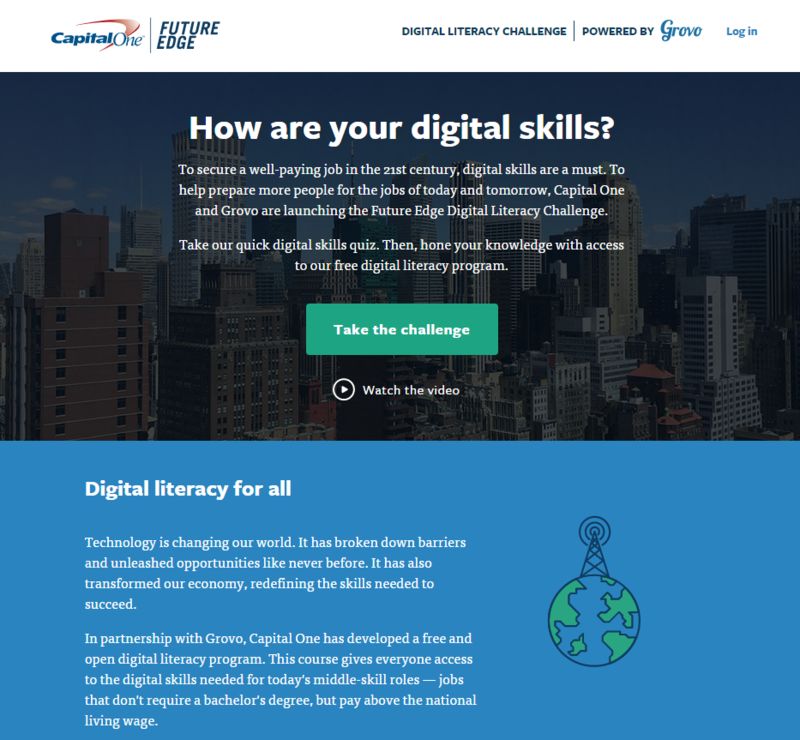
Grovo and Capital One Help to Hone Skills for the Digital World
Digital literacy campaigns have the potential to disrupt traditional classroom education and offer accessible, cost-effective technology-focused education opportunities for all.
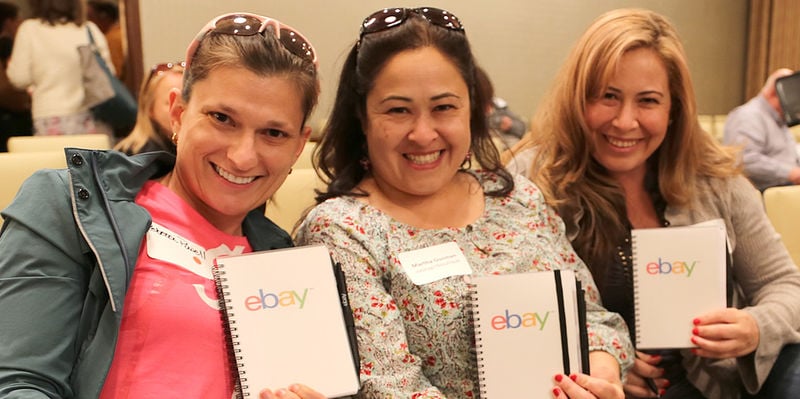
Ebay in Person is a Series of Educational Networking Events for Sellers
The eCommerce industry can benefit from organizing educational networking events to support sellers in building successful online businesses.
Workshop question
If your brand were to launch a real-world skills mini-series, what topics would you cover?
Trend signals
Trend score 4.2 out of 10, from popularity 72%, activity 47%, freshness 8%.
Trend themes
Brands offering more pragmatic education mark a shift in what skills are considered valuable and position themselves as a trusted resource for consumers' personal development.
Partnerships between industry leaders and online learning platforms provide accessible digital learning opportunities, with significant potential to address the skills gap in middle-skill jobs.
Online learning opportunities led by top experts in the world's largest brands provide project-based, interactive learning experiences that facilitate consumer engagement and personal development.
Industry implications
Financial institutions can integrate physical spaces, community-building events, and interactive educational workshops to provide accessible financial advice and planning services to younger audiences.
Online marketplaces can go beyond product listings and provide resources and networking opportunities that improve the experience and performance of their sellers.
Online learning platforms offer potential for partnerships with corporations and non-profit organizations to develop engaging digital literacy campaigns that address the skills gap and promote learning opportunities for low-to-moderate income individuals.