



Category
Lifestyle
Assisted Choices
Materials sought out for scarcity in nature are now engineered for accessibility.

Trend
Anti-Natural: Engineered, lab-grown products -- specifically, meats and precious stones -- have become more mainstream in recent years. As biotechnology evolves, so too does the ability to engineer multiple materials in a wider range. These newly engineered materials tend to be those previously sought after for their scarcity in nature, the difficulty of attaining them, and therefore, their association with a sense of elitism.
Insight
Elite materials becoming more accessible signifies a turn toward efficiency and often eco-consciousness, but also a redefinition of luxury and status. Consumers today are much more open to redefining luxury than those in the past, as social media has created more of a focus on equality and open-mindedness. Today's consumer places less value on scarcity and exclusivity and is, therefore, less weary of engineered alternatives to status items.
Trend themes
The shift from natural, scarce materials to engineered ones signifies a turn toward efficiency and often eco-consciousness, but also a redefinition of luxury and status.
Engineered, lab-grown products such as meats, precious stones, palm oil, and spider silk are becoming more mainstream with the rise of biotechnology.
With the increased demand for cruelty-free, alternative options, clean and lab-grown alternatives have become popular, especially in the food and fashion industries.
Industry implications
Biotechnology is constantly evolving and has paved the way for the development of lab-grown products, which are becoming more mainstream in various industries.
Consumers are increasingly opting for eco-friendly and sustainable products, leading to the development of alternatives to traditionally sourced materials.
With the increasing concern over the environmental impact of traditional fashion and beauty production, there has been a rise in the development of sustainable and cruelty-free alternatives, such as spider silk and lab-grown palm oil.
Workshop question
Trend signals
Trend score 3.6 out of 10, from popularity 59%, activity 39%, freshness 9%.
Evidence
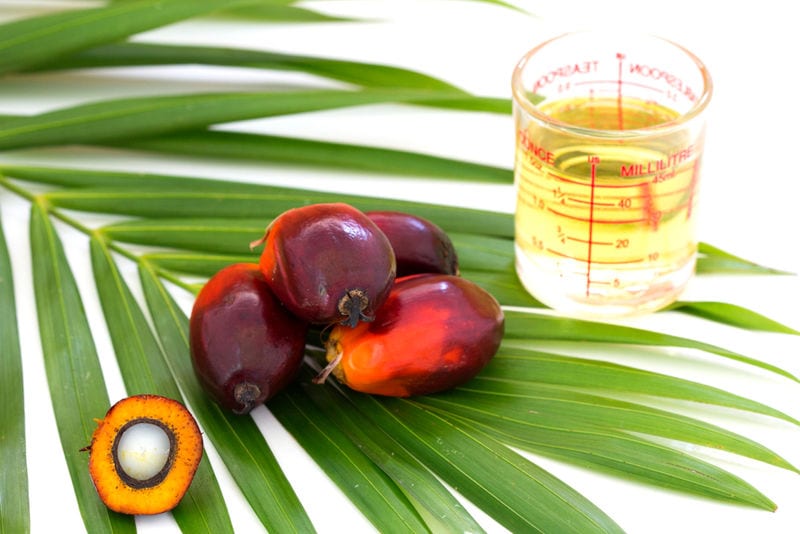
Eco-Friendly Tech Startup C16 Biosciences Launched a Palm Oil Alternative
The skincare and cosmetics industry can benefit from using the eco-friendly, lab-grown palm oil alternative as a selling point for environmentally-conscious consumers.
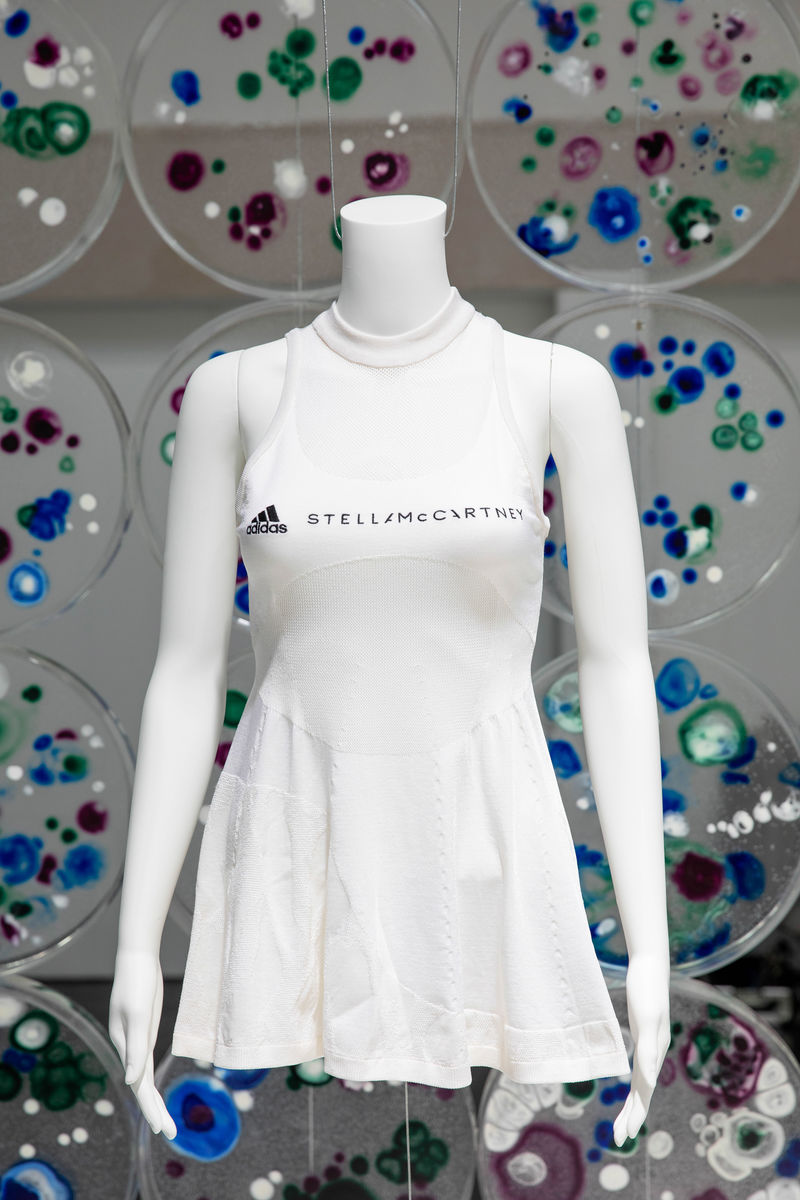
adidas and Stella McCartney Introduce a Biodegradable Dress
The fashion industry has an opportunity to innovate with new eco-friendly fabrics and biodegradable clothing options to meet the growing demand for sustainable fashion products.
The Cultured Meat Company IntegriCulture Inc Has Developed Lab-Grown Foie Gras
The meat industry has the opportunity to incorporate lab-grown meat products as part of their offerings to meet the increasing demand for cruelty-free, slaughter-free meat options
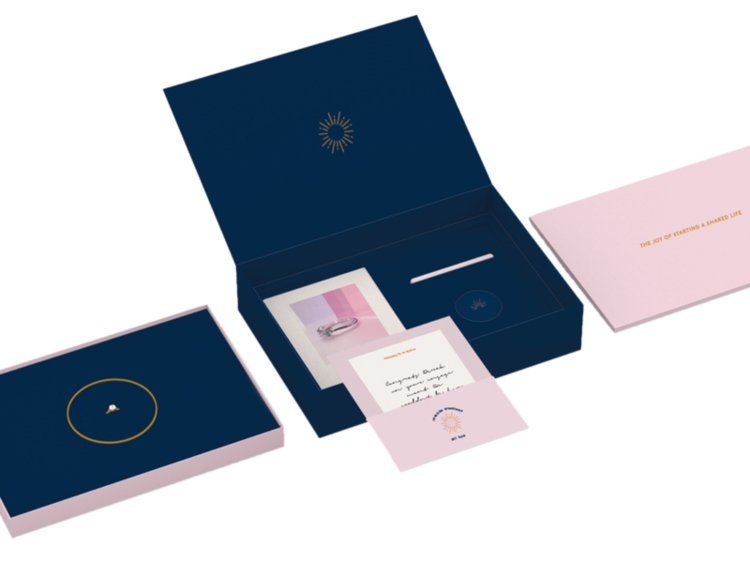
Couple Develops Engagement Rings Using Technology
The jewelry industry can benefit from innovating with lab-grown diamonds and offering more customized options for customers.






