Category
Business
Ritual Retail
Retail tools now turn inspiration into narrowed, usable options.


What's Happening
Choice Scaffolding: Retailers are using intelligent interfaces to reduce choice overload, helping shoppers move from broad intent to more actionable options. By combining conversation, visualization, and product matching, these tools connect discovery with selection in a single experience. The focus is shifting from AI as a novelty to AI as a practical decision aid that reduces hesitation and simplifies complex purchase decisions.
Why It's Happening
Shoppers are increasingly looking for help navigating categories where taste, fit, and self-expression make decisions feel complex. As enthusiasm for AI novelty fades, consumers are placing greater value on tools that clarify options and make outcomes easier to imagine. At the same time, many want guidance without giving up control. For brands, intelligent interfaces are gaining credibility when they organize complexity and reduce decision fatigue while preserving customer agency throughout the shopping journey.
Evidence
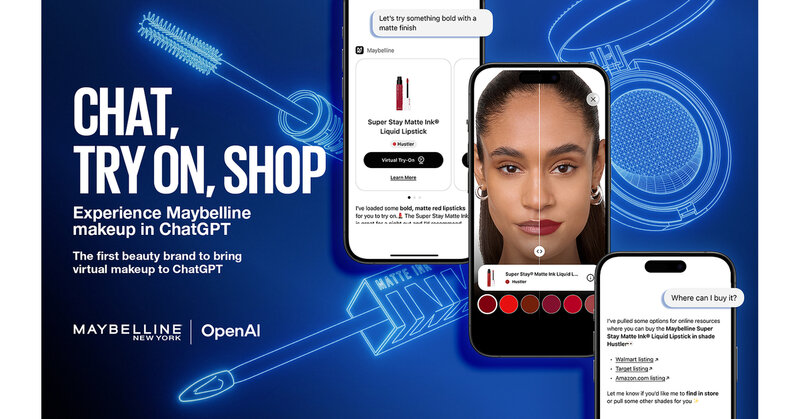
Maybelline Brings Live Virtual Makeup Testing to ChatGPT
Cosmetics brands can differentiate through immersive digital consultations that transform shade selection and product education into interactive experiences.
Nordstrom Introduces Personalized Outfit Recommendations
AI-enabled outfit creation expands how apparel retailers can differentiate service, increase basket size, and reduce friction in seasonal purchasing.
Glance Turns Android TV Screens into Shopping Hubs
Smart TV platforms are expanding beyond streaming entertainment into commerce ecosystems that deepen consumer engagement and platform monetization.
Revieve Connects Skin, Ingredients and Routines Through AI
Platforms combining computer vision, recommendation engines, and domain-specific AI are reshaping how brands deliver personalized skincare and product discovery.
Workshop question
How could your brand help customers turn broad intent into a confident short list faster?
Trajectory
Latest reading 8.5 for the week of Oct 26, 2026. Rising over the final 3 scored weeks (+2.8), at its peak of 8.5. Momentum 7.0/10, persistence 7.5/10, backed by 4 research findings.
16 Trend Hunter articles were grouped into the wider weekly cluster this trend was identified in, over 4 weeks.
 AI Private-Label SoftwareGarcoa Readies GIG FormulaLab IQ for PLMA 2026
 Agentic Marketing PlatformsMarklo Uses Shopify Data to Build Campaigns Automatically
 AI-Powered Retail Task ManagementTarget's myDay App Prioritizes Daily Store Operations
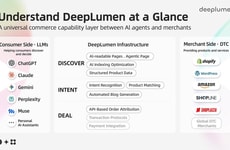 AI Referral Sales TrackersDeepLumen Charges Shopify Merchants Only When AI Orders Come Through
 Verified AI Purchase ApprovalsAmerican Express Caps What AI Shopping Agents Can Spend
 AI-Powered Membership ShoppingAonic Uses AI to Reduce Consumer Product Prices
 AI-Powered Trade-In Agentsinride Automates Vehicle Valuations and Dealership Appointments
 Adaptive Decision EnginesThe Very Group Has Tailored Offers with Made With Intent
 Agentic Checkout PathsConstructor Lets Shoppers Pay Inside the AI Shopping Agent
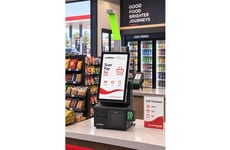 AI Self-Checkout TerminalsPartner Tech Certifies Its Lanes for Verifone Commander
 AI-Powered Store Cart SolutionsHanshow Introduces Its Smart Cart Solution
 AI-Driven Compact Coffee Kiosk SystemsOli Robotics Introduces Oli Robot Barista
Research
Expected AI Layer
Consumers increasingly treat AI features as part of baseline shopping service, especially when they help visualize products, search faster, or reduce uncertainty.
This matters because brands are no longer being judged on whether they have AI at all, but on whether it meaningfully improves the path to purchase.
Research Copilot
AI is becoming a standard commerce interface layer before the transaction.
Consumers increasingly use it to narrow options, summarize information, and build confidence, which means the fight is shifting from whether AI belongs in shopping to who owns the recommendation relationship and how trustworthy that layer feels.
Retail AI Payback
Retailers are moving past 'should we test AI?' into 'where does AI reliably improve margin, relevance, and speed?'
The pressure is less about futuristic branding and more about operational proof: if AI can reduce labor drag, improve targeting, and guide baskets more efficiently, it becomes budget-protected infrastructure.
Agentic Checkout
Consumers and retailers are both moving past AI that merely suggests products toward AI that completes tasks.
This matters because the next battle is not about chatbot novelty; it is about whether brands can compress shopping friction without making people feel they have surrendered control.