
Category
Marketing
Fan Immersion
As fewer meals are eaten in groups, brands personify food to fill the void.



Trend
Relational Consumption: Food is an inherently personal topic, as it is often consumed in close company, which subsequently engrains emotional connections. This notion of the consumer relationship with food is being explored closer than ever with brands personifying products and bolstering the personal nature of consumption with more tenacity. As fewer meals are eaten in the company of others and a sedentary lifestyle takes dominance in the mainstream, the concept of food as a consistent friend is creating new correlations that not only strike odd connections, but also create inseparable bonds.
Trend themes
Brands are personifying products to fill the void left by conservative societal dynamics, and targeting diverse audiences with humorous ads that create inseparable bonds with their consumers.
Brands are using digital campaigns to allow consumers to personalize their own experience with food, with messaging that promotes personal growth and empowerment.
Companies such as Coca-Cola are advocating for socially responsible strategies, such as sharing rides to create a sense of community while simultaneously promoting their brands.
Industry implications
There is a potential for disruptive innovation in the food and beverage industry with a focus on personalization and shared experiences.
Brands are targeting diverse audiences with humorous and interactive campaigns that use storytelling and personalization to connect with consumers.
Transportation companies have the opportunity to adopt socially responsible strategies, such as ride-sharing campaigns, to create a sense of community while promoting their brands.
Trend signals
Trend score 3.7 out of 10, from popularity 72%, activity 31%, freshness 8%.
Evidence
Sarah Silverman Breaks Up with her Coffee Breath in this Orbit Gum Ad
The Orbit Gum ad exemplifies the opportunities for advertisers to incorporate personalized and humorous elements into their campaigns for enhanced brand engagement.
This Yogurt Commercial is Sure to Make Anyone Laugh
Exploring new approaches to advertising that break away from traditional models and embrace diversity and inclusivity.
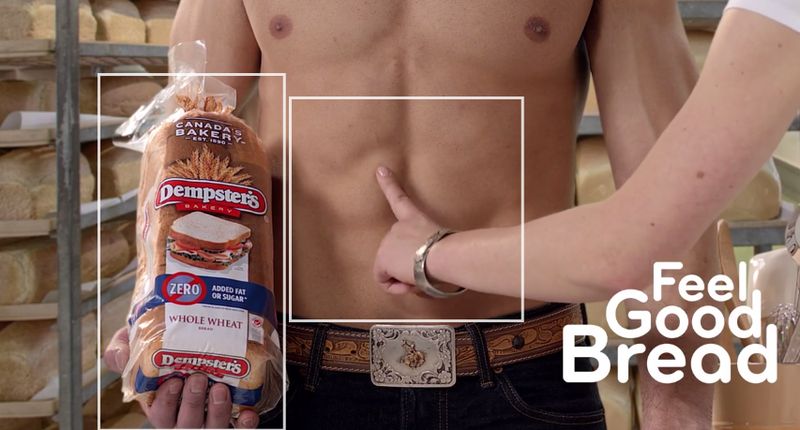
Dempster’s Has Created a Romance Novel for Consumers
Food brands can use personalized digital campaigns to promote new products and engage with consumers.
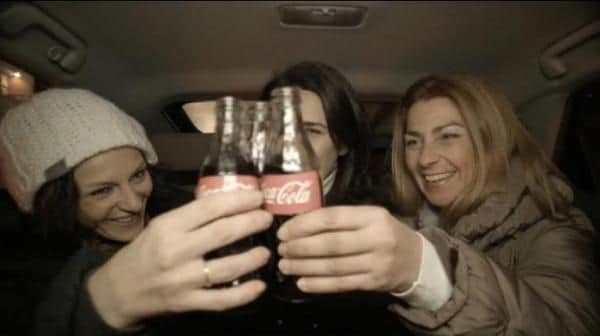
This Coca-Cola Christmas Ad Encourages Sharing Taxi Rides
Disruptive innovation opportunity: Integrate ride-sharing services and initiatives into beverage marketing campaigns to promote community engagement and amplify brand message.
Butterfinger Peanut Butter Cups' Ad Unifies a Solid Couple
Incorporating creative advertising strategies in the confectionery industry can capture consumer attention and drive sales.

The McDonald’s Commercial Shows Women Tempted by Sundaes
In the advertising industry, there is an opportunity to develop creative and engaging campaigns that resonate with diverse audiences.