Category
Business
Category Mashups
Self-referential branding makes a product's benefits clear to consumers.
Trend
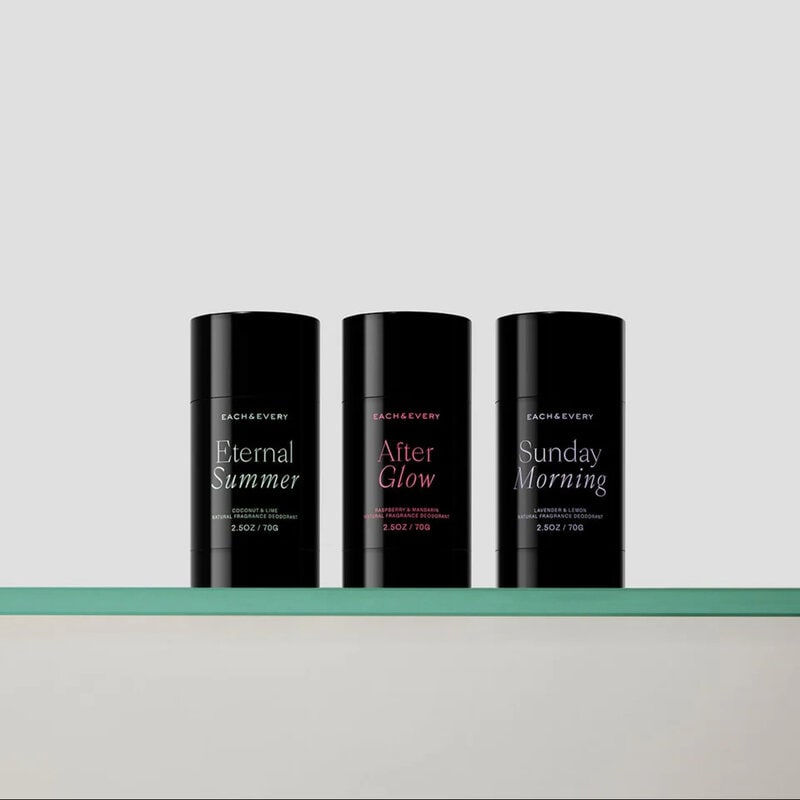
Benefit Branding: Putting the intended selling point of a product up front and center, very literal packaging makes a product stand out on the shelf. Creating an even more instantaneous connection with the consumer, this approach helps establish a brand as transparent and forward-thinking, while making the decision process much easier for consumers.
Trend themes
Brands are putting the intended selling point of a product up front and center on the packaging, creating a more instantaneous connection with the consumer.
Brands are utilizing clever packaging designs that make their product stand out on the shelf and communicate the experience the product will give.
Decorative packaging is being used to dress up a gift in a simple and affordable way that works for any season.
Industry implications
Consumer packaged goods brands can benefit from exploring creative and clever packaging designs that communicate their product's benefits to consumers.
Retailers can help distinguish their products on the shelves by utilizing decorative packaging designs.
Beverage brands can explore unique packaging designs that help communicate their brand identity and set them apart from competitors.
Trend signals
Trend score 4.5 out of 10, from popularity 71%, activity 58%, freshness 8%.
Evidence
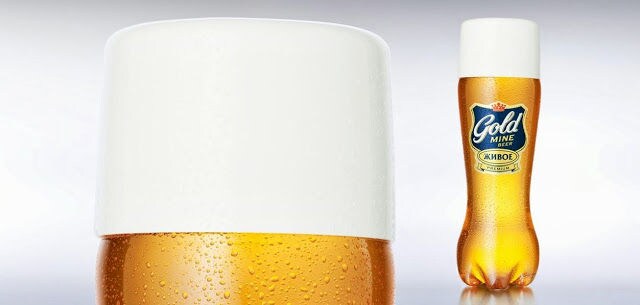
Gold Mine Beer Branding Serves Up the Bar Experience Wherever You Are
Opportunity to disrupt the alcoholic beverage industry by reimagining packaging to enhance consumer experience and differentiate brands.
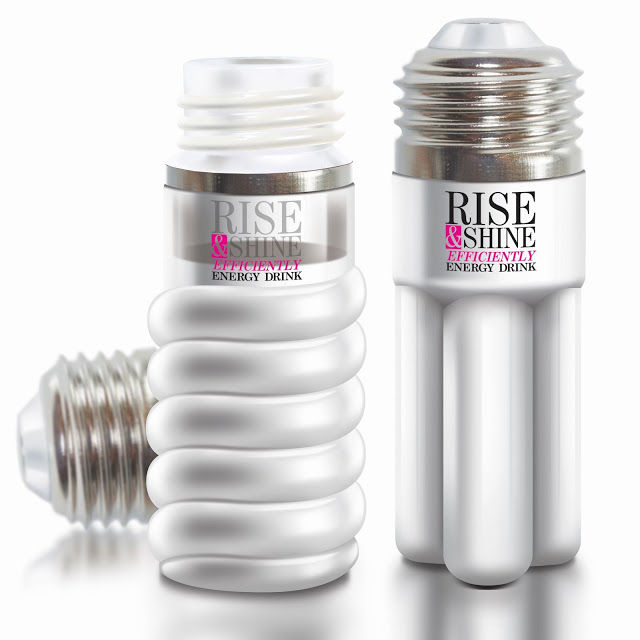
Rise and Shine's Energy Drink Packaging Exudes Electricity
The Rise and Shine energy drink packaging showcases an innovative approach to beverage packaging, creating opportunities for disruptive innovation in the industry.
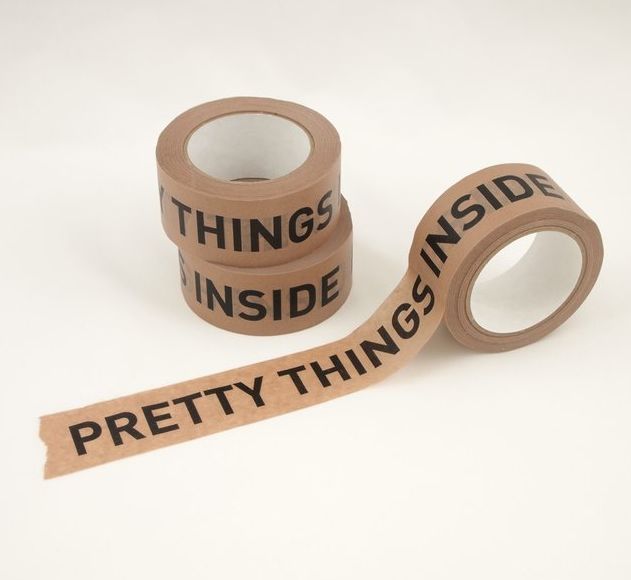
This Decorative Packing Tape Warns of 'Pretty Things Inside'
Offering innovative and unique decorative packing tape options to enhance the gifting experience.
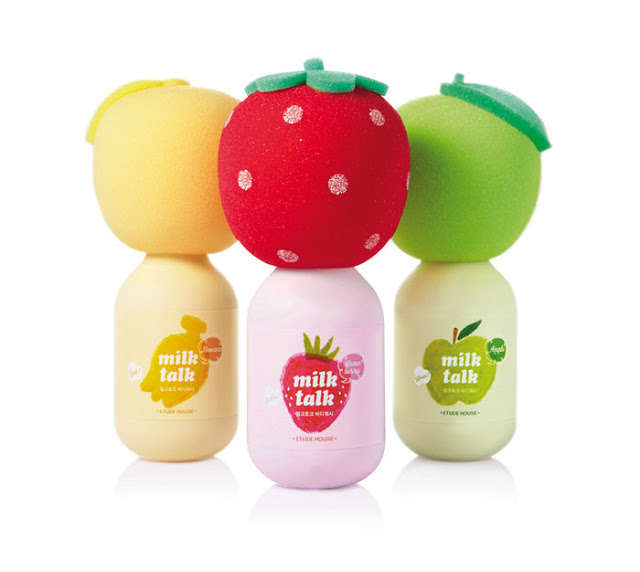
This Korean Cosmetic Brand Uses Cute and Compact Packaging
Cosmetic brands can explore innovative packaging designs that reflect the product's qualities and enhance its appeal to consumers.