Category
Eco
Power Modularity
Trend
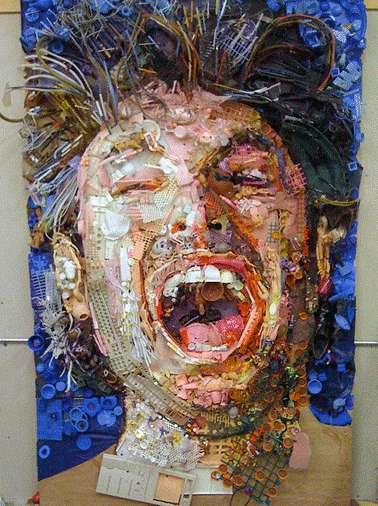
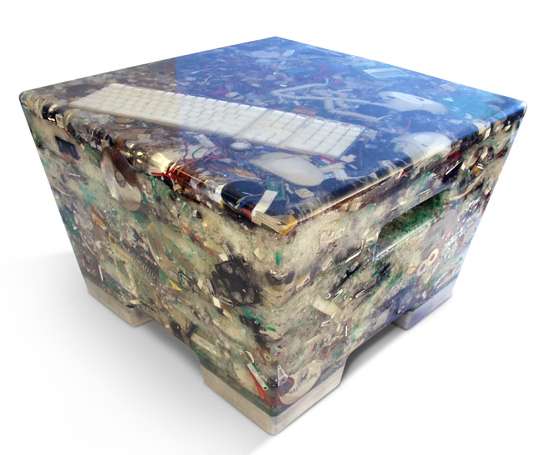
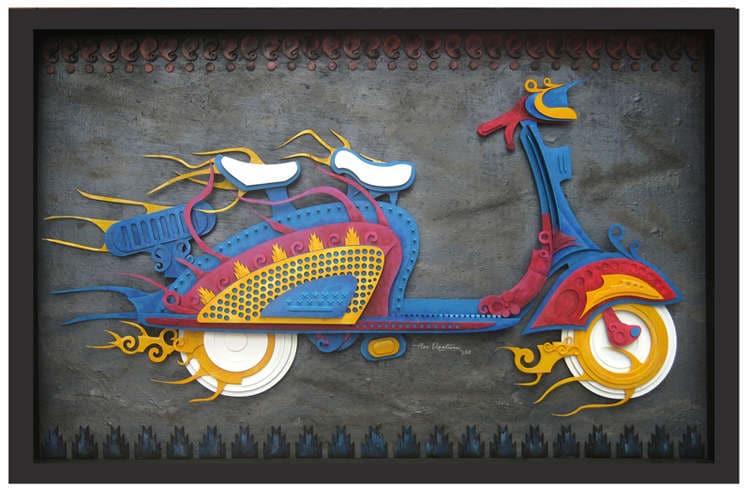
e-Waste Art: An increasing number of eco-minded artists are applying the method of upcycling to their creations, with e-waste -- used tech devices, old computer parts, telephone cables, keyboards and the like -- as the primary components of their artwork. Everything from furniture to portraits are being made out of electronic junk, which offers an eco-friendly alternative to the traditional disposal of tech products, and gives green consumers with a passion for technology a unique way to decorate their homes.
Trend themes
Artists are using e-waste to create upcycled products and artwork, providing eco-friendly alternatives to disposal.
The Dhairya Dand ThinkerToys project uses old computer parts to create modular educational toys, paving the way for innovative, sustainable, and affordable tech products.
Artists like Haribaabu Naatesam and Tom Deininger are encouraging consumers to view e-waste as more than just discarded materials, highlighting the value in repurposing and recycling.
Industry implications
Companies can incorporate upcycling into their product design strategies and prioritize eco-friendly solutions.
Modular technology can be applied to create affordable and sustainable educational toys for children in underserved communities.
Artists and designers can use discarded e-waste as a medium, creating unique and thought-provoking works of art.
Trend signals
Trend score 3.3 out of 10, from popularity 38%, activity 54%, freshness 8%.
Evidence
Tom Deininger's Screaming Creations Make Use of Discarded Material
The art industry can embrace the trend of creating artwork from discarded materials, offering a new market for eco-conscious artists and attracting collectors interested in sustai…
The 'N + ew: No More Electronic Waste' Project Makes Use of Tech Trash
Exploring opportunities to incorporate sustainable design practices and repurposed materials into furniture production.
Dhairya Dand ThinkerToys Turn Old Computer Gadgets into Learning Tools
The use of modular circuit boards in toy manufacturing could disrupt the traditional methods of production and offer a more eco-friendly and cost-effective solution.
Artist Haribaabu Naatesam Puts to Good Use Old, Rusty and Forgotten Electronics
Disruptive innovation opportunity: Collaborate with artists and designers to develop new products and creations using discarded electronics, contributing to circular economy initi…
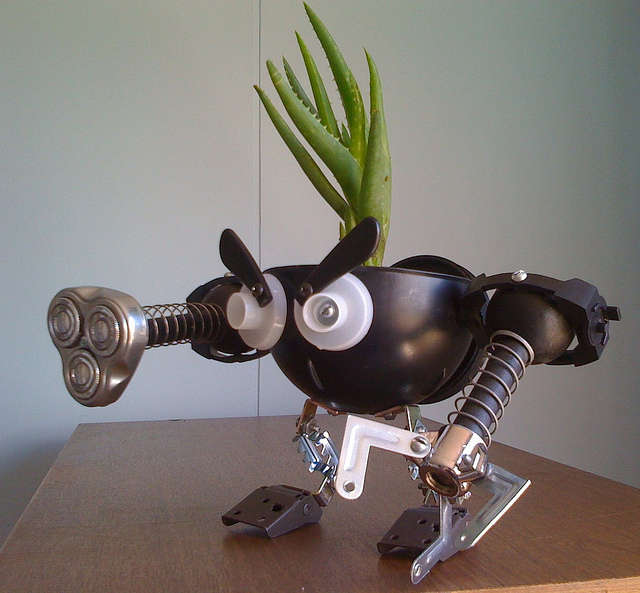
Robo Planters Turns Junk into Functional Florals
Opportunity for artists and designers to create innovative and visually appealing products by incorporating upcycled materials, as seen in the Robo Planters.
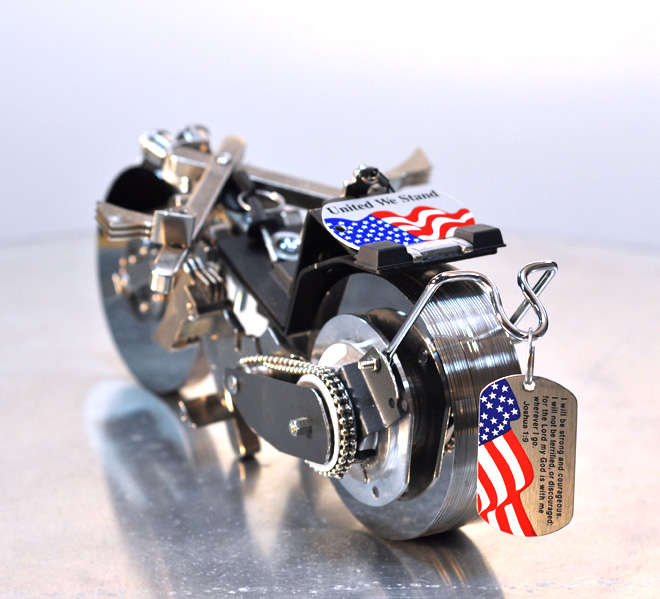
The Miguel Rivera Hard Drive Sculptures are Heavily Detailed
The Miguel Rivera hard drive sculptures demonstrate the potential for combining technology and art to create visually stunning pieces.
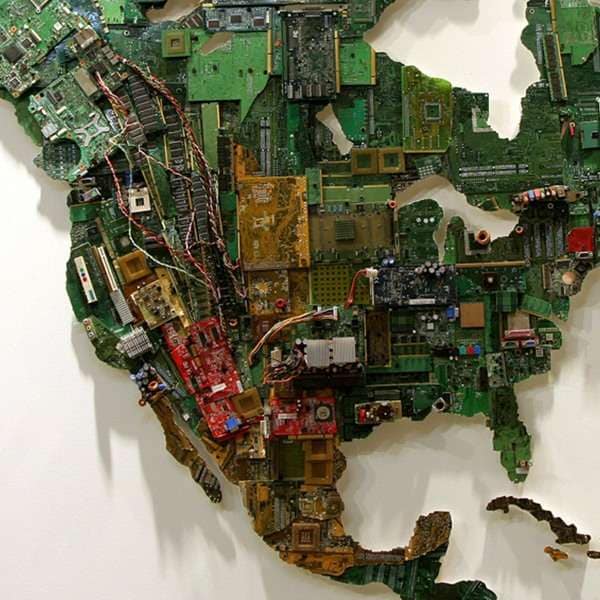
Susan Stockwell's Recycled World Map is Made up of Computer Parts
Opportunity for artists and designers to create sustainable artwork using recycled materials.
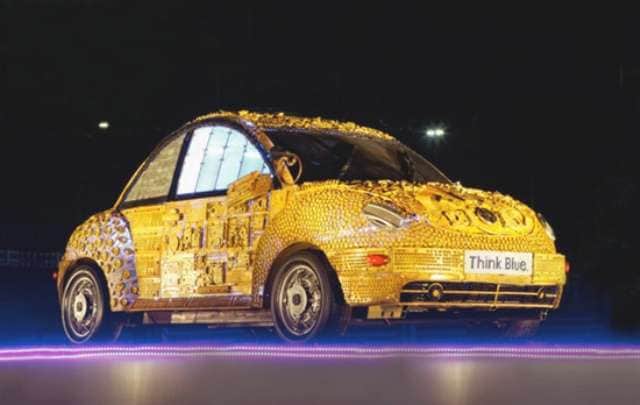
The 'Think Blue Beetle' is Made Using Old Bottle Caps and Computer Parts
The art industry can create new avenues for using waste/trash as an art medium.
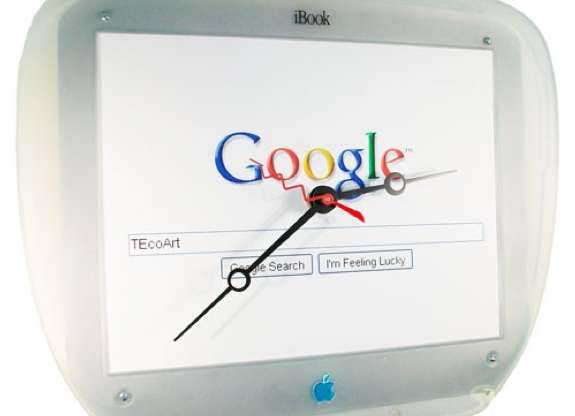
The iBook Blueberry Clock Turns Old Tech into a New Gadget
Exploring creative ways to reduce E-waste and turn outdated tech into new products leveraging nostalgia and upcycling to meet the demand of consumers who value creative and sustai…