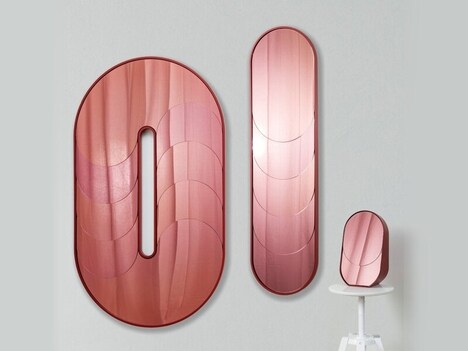
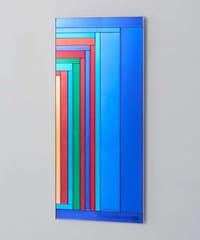
Zhoujie Zhang is a designer that leverages the power of computer algorithms in his development of the Mashing Mesh distorted mirror. The decorative piece diverges from a traditional mirror design by using curved surfaces and a tiled mosaic design to give an unclear and slightly altered reflection of the viewer.
While many mirrors opt to provide a crystal clear and accurate depiction of those looking into it, Zhang's Mashing Mesh is anything but that. The artist's mirrors are available in a series of five, and they recreate the movement of water using a triangular mesh material and modelling algorithms to shape the three dimensional surface. The mirror is made using bent and polished sheets of stainless steel.
What's Driving This Trend
- Algorithmic Design
- Exploring the use of computer algorithms in design to create unique and distorted mirror designs.
- Curved Surfaces
- Utilizing curved surfaces in mirror design to create a mosaic-like effect and altered reflections.
- Triangular Mesh Materials
- Incorporating triangular mesh materials into mirror construction to mimic the movement of water and add a sense of dynamic distortion.
Who This Affects Most
- Home Decor
- Opportunity for disruptive innovation in the home decor industry by offering unconventional mirror designs that challenge traditional notions of reflection.
- Furniture Design
- Innovative mirror designs can find applications in furniture design, adding a unique aesthetic element to various pieces.
- Art and Sculpture
- The use of algorithmic design and curved surfaces in mirror art can create visually captivating and thought-provoking sculptures.