



Category
Lifestyle
Assisted Choices
Performance wear becomes less conspicuous with a streetwear aesthetic.
Trend
Urban Athleticism: No longer reserved for working out, athletic wear has become an everyday wardrobe staple thanks to the rising prevalence of fitness culture. However, despite the acceptability of athletic wear outside of the gym, the fashion industry has begun to merge the functionality of performance gear with an urban, street-focused aesthetic. This hybridized clothing not only signals a form of versatility; it also references a return to urban sensibility, even when it comes to sportswear.
Trend themes
Fashion industry merges functionality of athletic wear with urban style.
Clothing companies develop apparel lines for female cyclists.
Utilitarian apparel merged with style in collections designed for activity.
Industry implications
Athleisure trend and casual rapper collections offer opportunities to produce lines that blend sporty aesthetic with fashion.
Performance outerwear with insulation and functionality provide comfortable options for winter outdoor activity.
Cycling apparel created for females gives new opportunities for protective bike-riding clothing.
Workshop question
Trend signals
Trend score 5.6 out of 10, from popularity 78%, activity 82%, freshness 8%.
Evidence
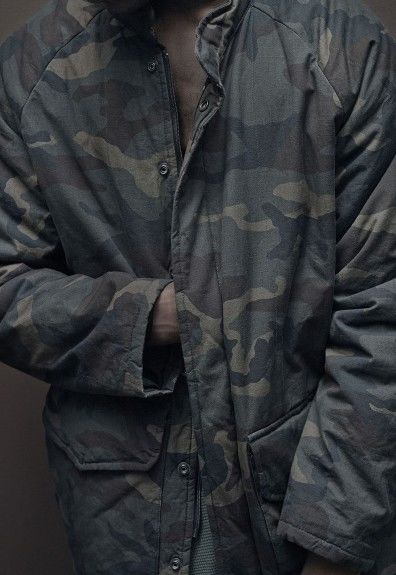
The adidas YEEZY Season 1 Lookbook Highlights a Utilitarian Aesthetic
The fashion industry can utilize the trend of designing intentional worn-in, casual clothing lines to capture customers who want to express their laid-back lifestyle.
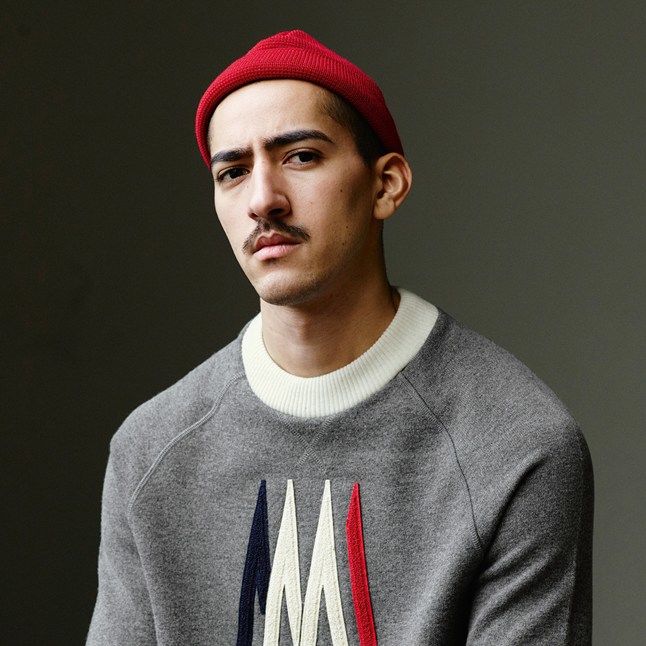
Ami and Moncler's Menswear Lookbook Fuses French Style with Sports
Fashion industry can explore opportunities to fuse different styles and cater to niche markets.
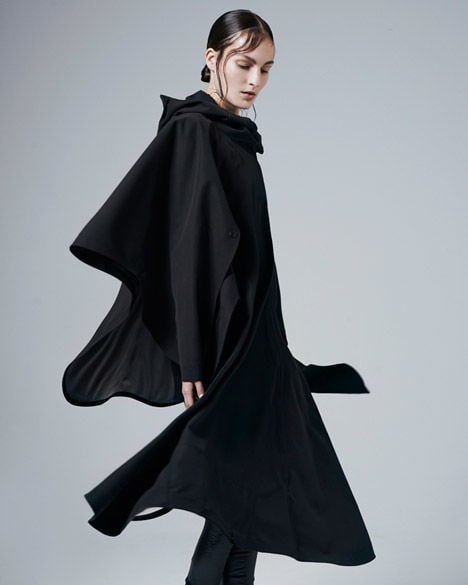
Dutch Fashion Label 'Bybrown' Has Created a Durable Dress Just for Cycling
Disruptive innovation opportunity: Introduce sustainable and weather-resistant fabrics for clothing.
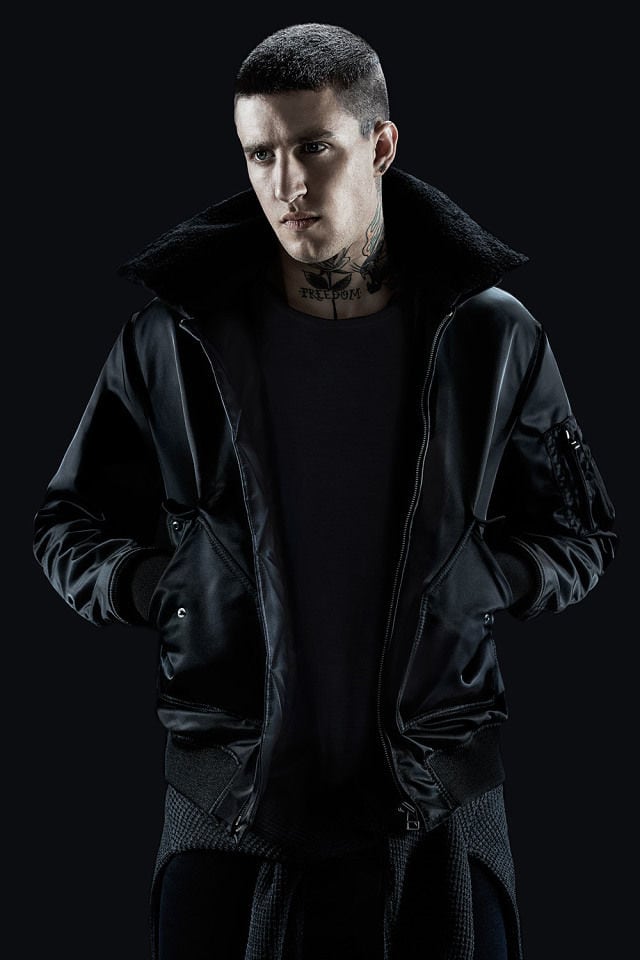
The ISAORA Fall/Winter 2015 Collection is Prepared for Winter Activity
Fashion industry can innovate by creating fashionable and functional outerwear for active individuals.






