Category
Lifestyle
Assisted Choices
Traditionally taboo stereotypes become a lighthearted but edgy source of humor.
Trend
Typecast Mockery: Today’s humor is truly uninhibited, with traditionally unacceptable subject matter, such as stereotypes, becoming the basis of jokes. At times shocking, stereotype mockery can signify the comfortable self-ownership of a consumer, who might consider themselves a member of the sub-group at which they laugh. As casual attitudes and decreased sensitivity continue to grow, so too does the amount of risk a marketer or brand can take in capturing consumer attention.
Trend themes
Using traditionally taboo stereotypes has become a source of humor, signaling comfort and self-ownership in consumers.
The rise of nerd chic in recent years is changing the previous perception of what is cool and encouraging designers, artists, and photographers to appeal to a broader range of consumers with diverse looks and tastes.
Creating memes and satirical content surrounding social media archetypes encourages user engagement and offers a spot-on send-up of familiar (and annoying) personalities on social media.
Industry implications
Designers can take advantage of nerd chic and use stereotypes to encourage self-expression in consumers through their clothing choices.
Satirical and humorous content that parodies stereotypes and social media personalities can garner user engagement and create a loyal following.
By using stereotypes in a humorous way, marketers can take risks in capturing consumer attention and encouraging self-ownership and comfort among their audience.
Trend signals
Trend score 5.2 out of 10, from popularity 65%, activity 84%, freshness 8%.
Evidence
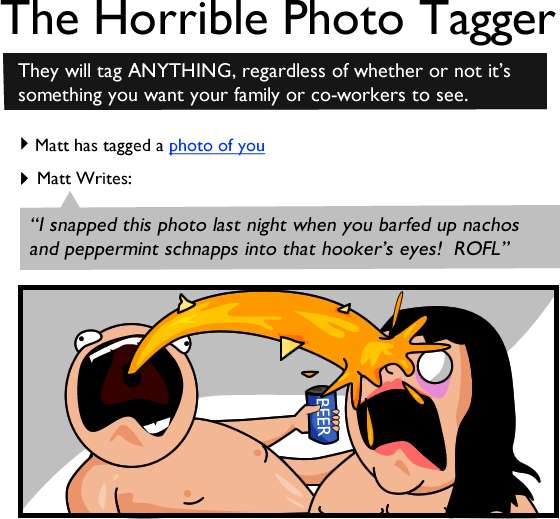
'How to Suck at Facebook' is a Hilariously Spot-On Spoof
Producing social media archetype parodies can be a profitable venture for the entertainment industry, especially for online comedic content creators.
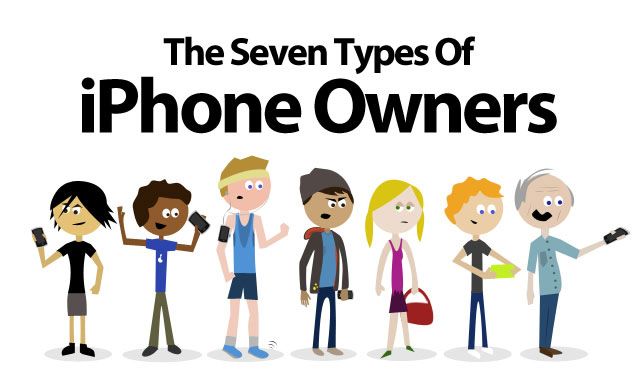
The '7 Types of iPhone Users' Celebrates the launch of Verizon iPhones
Developing target marketing strategies and innovative product design for iPhone users can drive growth in the technology and telecommunications industry.
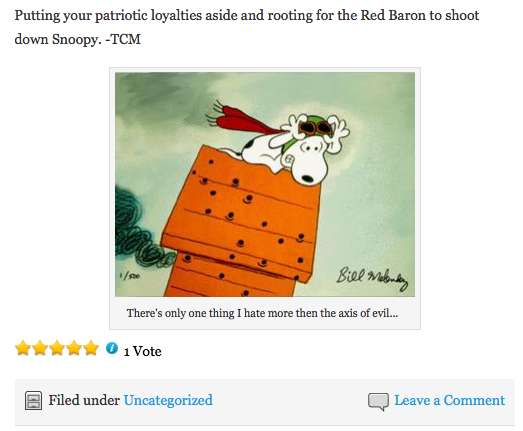
Total Cat Move is a Hilarious Blog for Cat Lovers
Photographers and image editors can leverage parody and humor in their work to attract new clients and open up new niche markets.
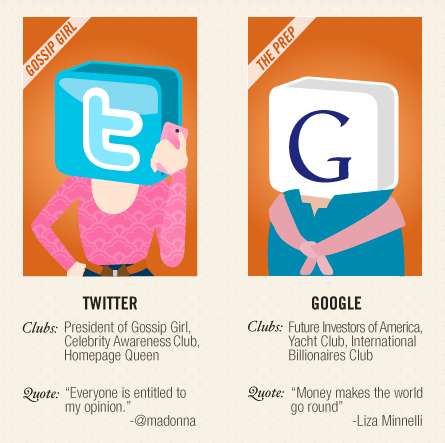
The Social Media Class of 2011 is the Web's Pop Culture Prequel
Developing creative ways to showcase brand identity and personality to increase audience engagement.
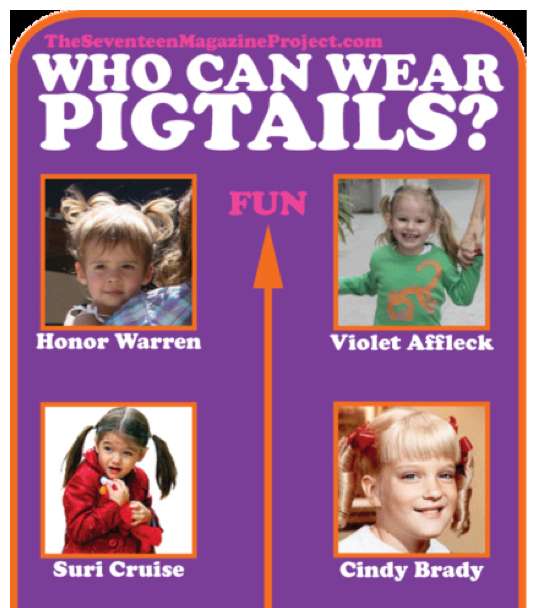
'Who Can Wear Pigtails?' Chart Makes it Obvious Who Can't
Innovations in fashion design for kids and teens.
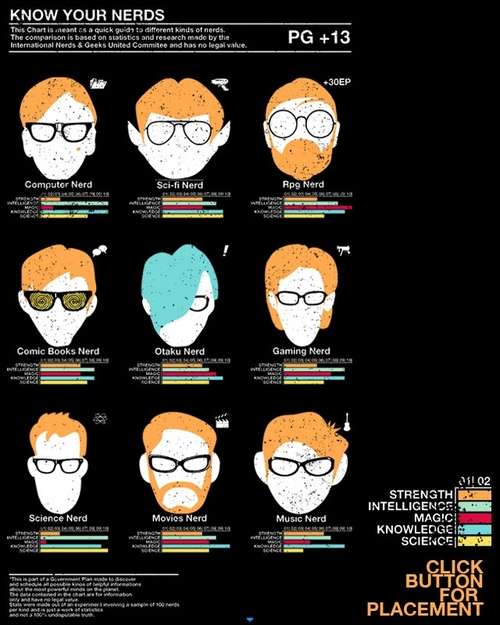
'Know Your Nerds' Tee by Riccardo Bucchioni Charts Out All the Geeks
Fashion industry can capitalize on the trend of nerd chic apparel to attract diverse consumers.

Daniel Brokstad Illustrates Popular Pigeonholed People
Disruptive innovation potential in developing animation techniques and storytelling approaches that challenge stereotype representation in cartoons.