
Category
Lifestyle
Calm Monitoring
Consumers turn to conveniently formed health foods for easy consumption.
Trend
Superfood Efficiency: Consumers are more concerned now more than ever about getting all the different nutrients they need on a daily basis, which is being acknowledged with superfood-based products designed to be consumed on-the-go. As time savings becomes a paramount concern, this design of products appeals to a consumers on the basis of fulfilling nutritional needs in a seamless way.
Trend themes
Consumers are looking for superfood-based products designed to be consumed on-the-go, fulfilling their nutritional needs in a seamless way.
Consumers are seeking quick and easy meals that are packed with superfoods for energy and proper nutrition.
Consumers are looking for healthier and more nutritious snack options, such as snacks made with quinoa and other superfoods.
Industry implications
The food and beverage industry can capitalize on developing new superfood-based products that are convenient and healthy for on-the-go consumption.
The wellness industry can create new lines of healthy and nutritious foods that are easy to consume and packed with superfoods.
The fitness industry can incorporate the use of superfoods, such as quinoa, in pre or post-workout snacks, offering a nutritious and energizing boost.
Trend signals
Trend score 3.9 out of 10, from popularity 50%, activity 60%, freshness 8%.
Evidence
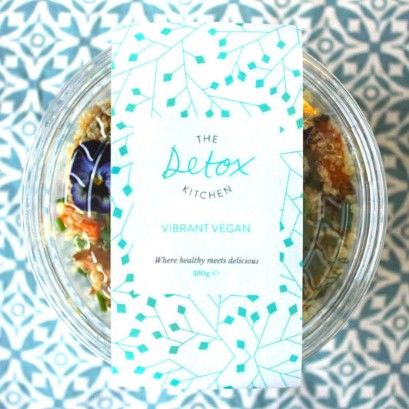
The Detox Kitchen Grab n' Go Dishes Blend Flavor and Nutrition
Meal delivery companies can offer healthy, convenient, and customizable meal plans that cater to individual preferences and dietary requirements.
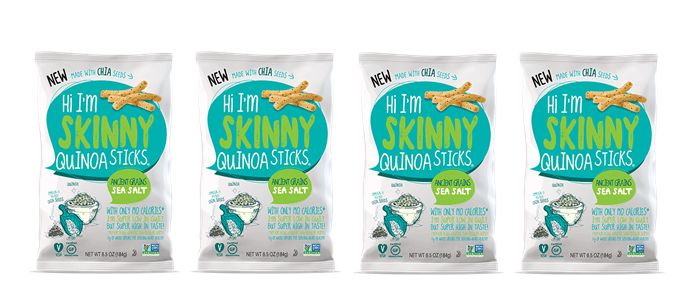
The Skinny Ancient Grains Sticks are Made with Protein Quinoa
Disruptive innovation opportunity: Introduce innovative snack products that align with consumers' increasing desire for healthier, gluten-free, and protein-packed options.
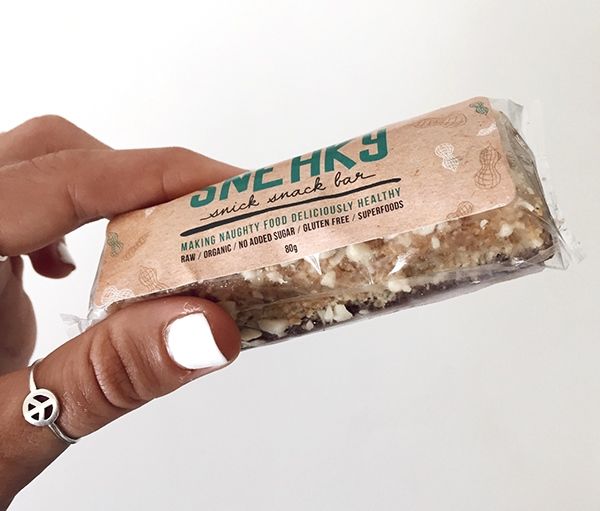
Sneaky Protein Bars Turn Indulgent Flavors into Healthy Snacks
Disruptive innovation opportunity: Explore new ways to create healthier food and beverage products to meet the increasing demand for nutritious options.
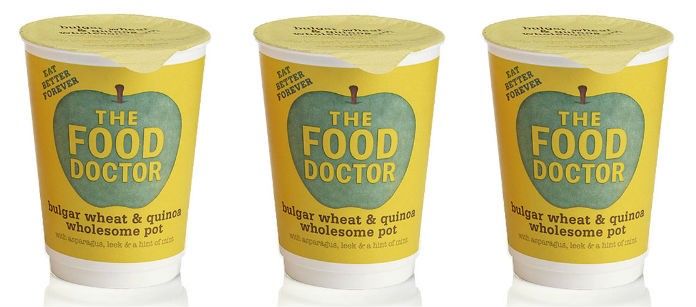
Enjoy a Superfood Meal on Go with The Food Doctor’s New Quinoa Hot Pots
Opportunity for disruptive innovation in the development of healthier and more sustainable instant meal options.
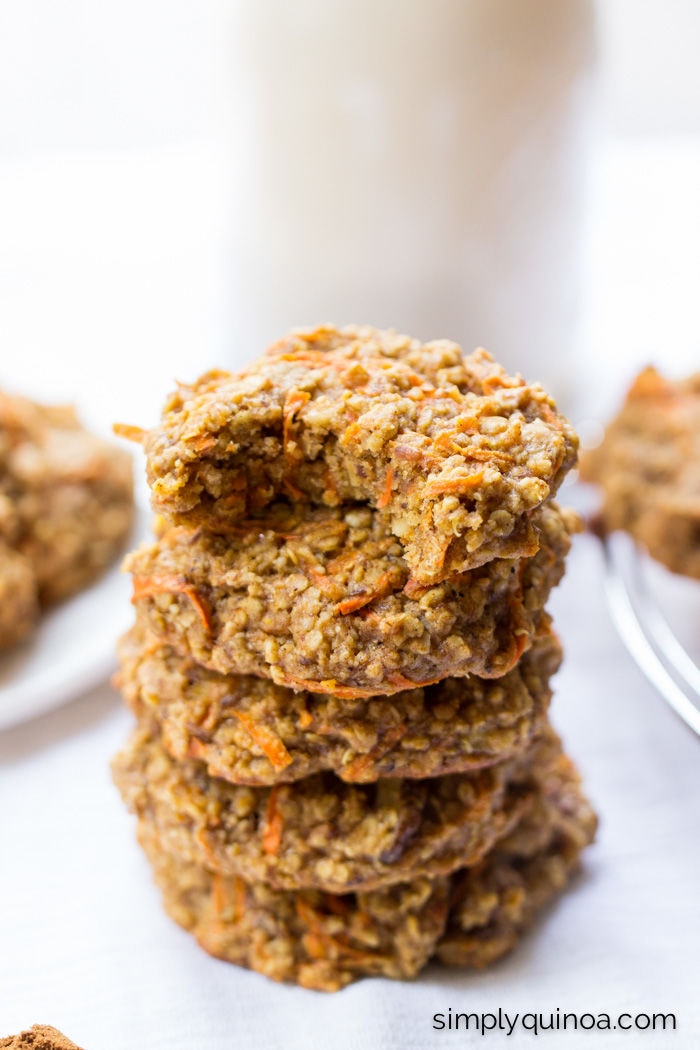
These Carrot Cake Breakfast Cookies are Made with a Quinoa Base
Potential for offering pre-made, healthy breakfast cookies as part of a convenient meal delivery service.