



Category
Lifestyle
Assisted Choices
Classic meat products are reformatted as portable snacks.
Trend
Snackable Protein: As consumers become warier of snacking on empty calories, they begin turning to their favorite meat products as trusted sources of satisfying sustenance and wholesome protein. Adapting to this shift in snacking culture, brands are repackaging meats like sausages into individually wrapped portable formats that are easy to grab on the go, for a protein-filled adult snack.
Trend themes
Consumers are demanding high protein snacks in response to a growing awareness of health and wellness.
The rise of grab-and-go culture has led to brands designing portable snack formats, pre-portioned for the busy consumer.
Consumers are more experimental in their search for new snack flavors and are looking for a unique taste experience.
Industry implications
The industry is responding to increased demand for healthier and protein-packed snack options, while creating new convenient snack formats for busy consumers.
Packaging solutions that address the need for portable, single-serving snack are in high demand.
Manufacturers are creating new taste experiences for consumers by combining meat and cheese in innovative ways that are both healthy and convenient.
Workshop question
Trend signals
Trend score 3.6 out of 10, from popularity 48%, activity 51%, freshness 8%.
Evidence
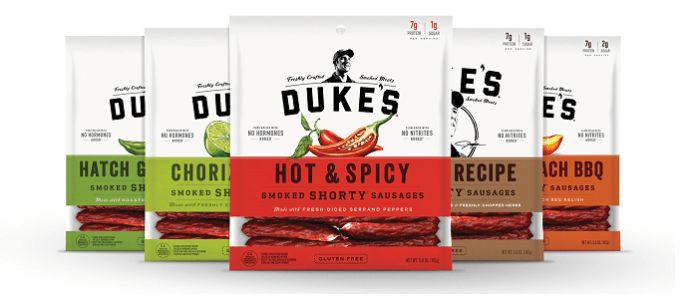
Duke's Small-Batch Meat Snacks Provide Consumers with a Boost of Protein
Introducing innovative small-batch meat snack products to meet the increasing demand for protein-rich snacks.
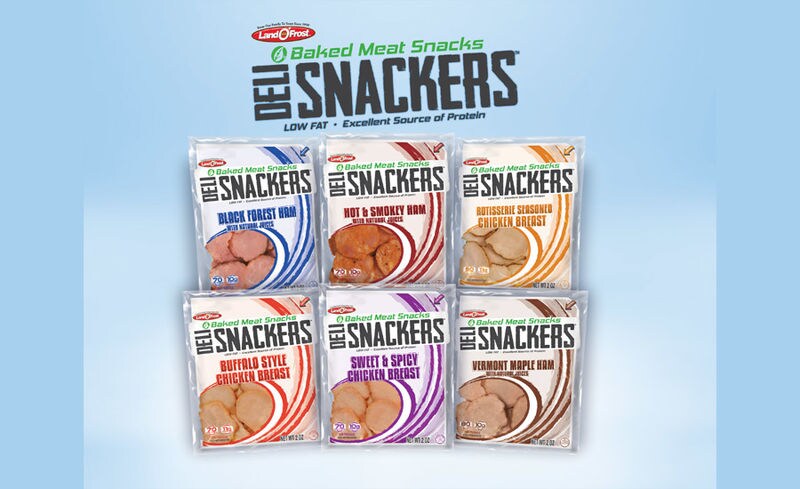
Land O’Frost's New Deli Snackers are a Protein-Rich Snack Option
The packaging industry can seize the opportunity to create innovative, on-the-go packaging for portable snacks.
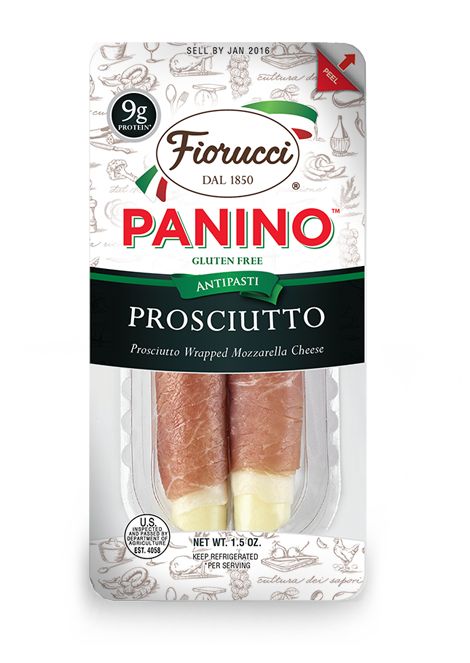
Fiorucci Foods' Meat and Cheese Snacks are Packaged for Portability
Snack food companies can add meat and cheese products to their lineup, catering to consumers' demands for convenient, protein-based snacks.
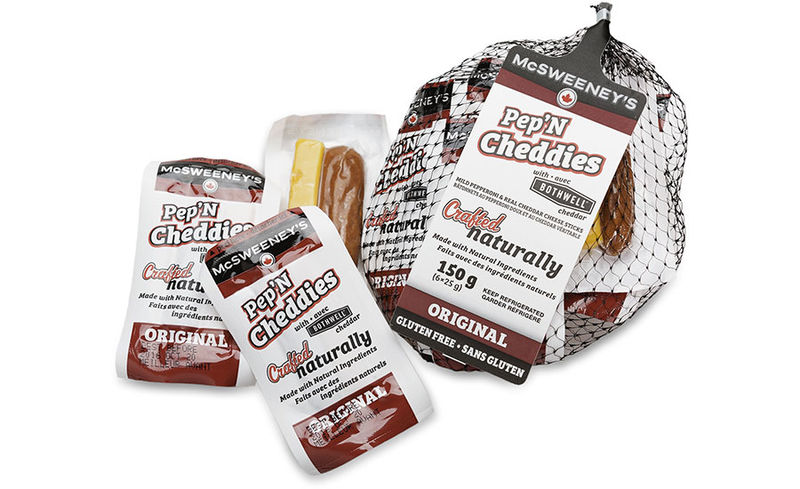
McSweeney's New Pep' N Cheddies Serve as a Balanced Snack Option
The snack food industry can tap into the growing demand for healthier and more convenient snack options with products like Pep' N Cheddies.






