
Category
Lifestyle
Celebration Layering
Home products turn discomfort management into a self-care routine.
What's Happening
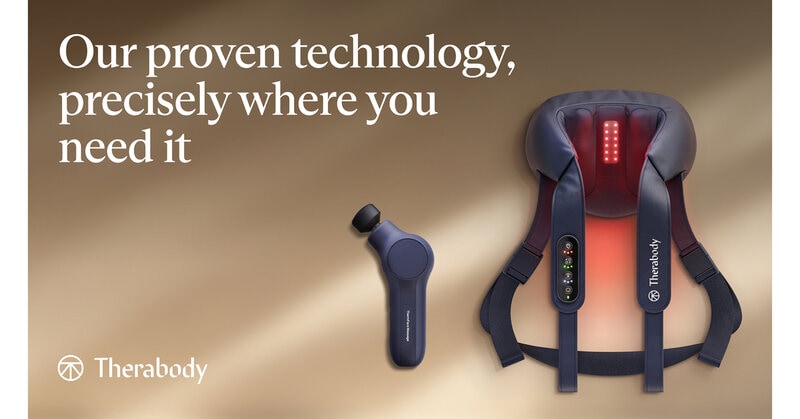
Care Rituals: Brands are packaging at-home discomfort solutions as sensory wellness products rather than strictly clinical aids. These incorporate cooling and warming, soft-touch materials, and wearable designs. The category is also expanding beyond one-function formats into products that combine several modes of support in one item. Neck wearables and therapy masks, for example, now layer features such as temperature, compression, or stimulation to offer a more all-in-one home option.
Why It's Happening
Contemporary consumers want to be proactive in addressing discomfort and localized pain before it develops into something more serious. While many want to take proactive steps for long-term well-being or health management, they do not want discomfort management to feel like a medical event or be overly tedious. Therefore, individuals are showing a preference for products that lend into familiar self-care habits, because these solutions feel more emotionally comfortable, easier to adopt regularly at home, and adaptable to busy schedules.
Evidence
Therabody Combines Five Therapies for Neck Tension
Specialized recovery tools are reshaping self-care by bringing clinic-inspired treatments into everyday home environments.
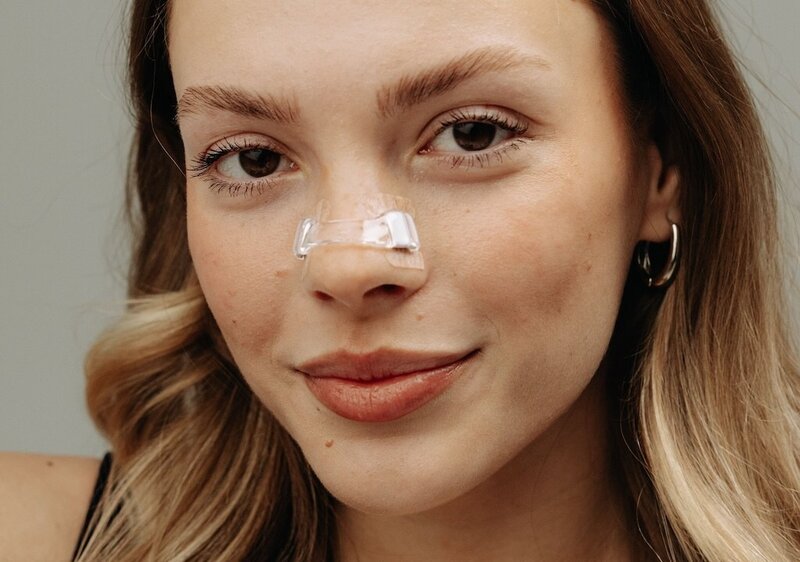
Intake Breathing Raises $62 Million To Expand Its Nasal Breathing System Into
Comfortable overnight breathing aids are broadening the sleep category beyond mattresses, supplements and tracking devices with simple physical solutions.
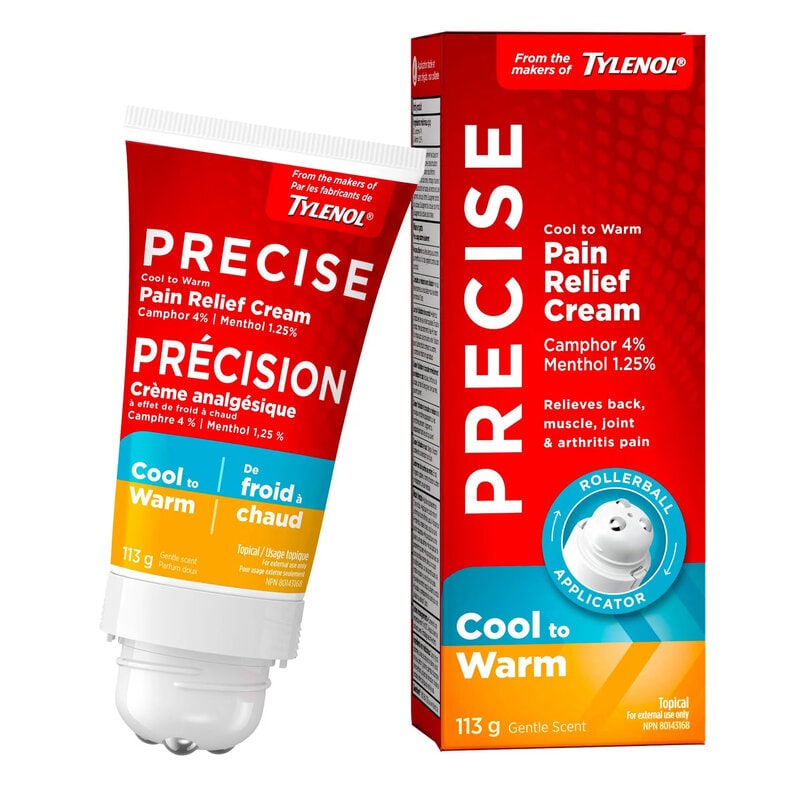
TYLENOL Precise Introduces a Cool-to-Warm Pain Relief Cream
Topical analgesic brands can differentiate through multisensory formats that make localized treatment feel more personalized and routine-friendly.
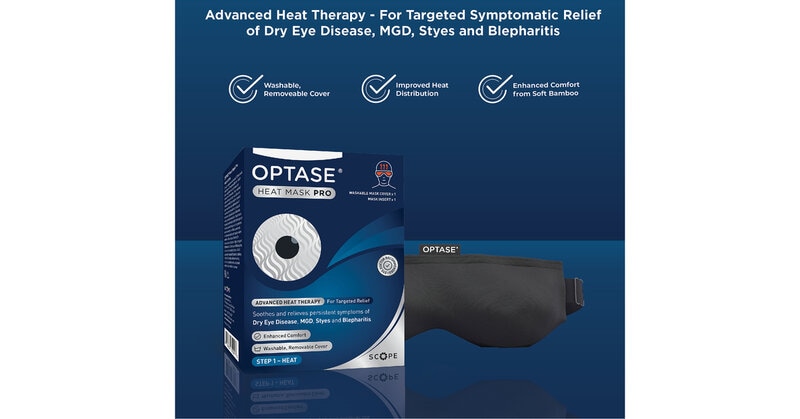
OPTASE Launches a Dual-Purpose Eye Therapy Mask
Consumer-ready treatment tools are expanding the eye care market beyond clinical settings into convenient daily home management.
Workshop question
How could your brand make everyday physical support feel as intuitive and repeatable as a self-care ritual?
Trajectory
Latest reading 7.4 for the week of Nov 2, 2026. Holding over the final 3 scored weeks (±0.0), −1.6 from its peak of 9.0 in the week of Oct 19, 2026. Momentum 5.7/10, persistence 2.5/10, backed by 3 research findings.
Research
Pain Relief Spa
Consumers increasingly blur the line between treatment and ritual.
Relief products that feel soothing, premium, and tech-enabled help people address discomfort without leaving home or taking on the identity of a patient, making health maintenance feel more compatible with daily self-care.
Biofeedback Wellness
Consumers no longer want to take wellness products on faith alone.
Biofeedback-driven routines matter because they turn supplements and habits into experiments with perceived evidence, helping people justify both effort and spend. The deeper shift is from aspirational wellness to instrumented wellness.
Menopause Metrics
Midlife health has historically been under-tracked, under-designed, and often treated as private or invisible.
Menopause metrics matter because they validate symptoms, create language for discussion, and give consumers a sense of agency over a life stage that has long lacked consumer-friendly tools. Brands are responding to a demand for age-specific support without framing aging as decline.