Category
Lifestyle
Formula Editing
Flexible meal formats recast animal diets as everyday wellness tools.

What's Happening
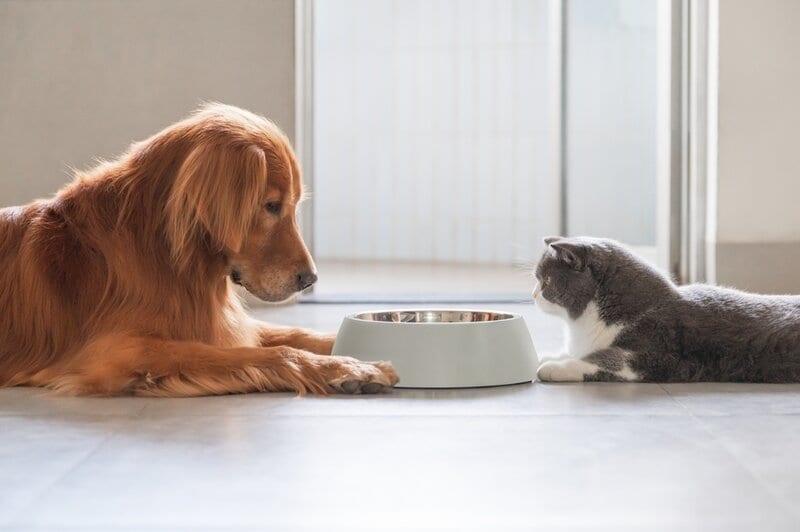
Modular Feeding: Pet brands are increasingly framing their products and services around specific wellness outcomes such as digestive comfort, immune support, skin health, and age-related needs. Premium positioning is being reinforced through more visible quality cues, including human-grade language and sourcing transparency. This gives owners more ways to upgrade routines without replacing every part of the bowl.
Why It's Happening
Many pet owners, particularly those who have the financial ability, are now applying the same food standards they use for themselves to what they buy for animals. With the awareness that nutrition acts as the foundation for a pet's physical resilience, mood, and longevity — just as it does for humans — feeding increasingly feels like a form of preventive care, especially when broader pet healthcare can feel costly and reactive. Outcome-led pet nutrition, therefore, lets owners feel they are doing something proactive every day, and brands that pair clear wellness intent with adaptable formats are more likely to earn trust and repeat use.
Evidence
Redbarn Launches ActiveGuard Chews for Skin, Immune and Calming Support
Premium pet food companies can extend trusted treat platforms into condition-specific wellness products that appeal to health-conscious pet parents.
The Pets Table Launches Seven Items at About 500 Whole Foods Stores
Shelf-stable, air-dried, and fresh-inspired recipes are reshaping premium pet nutrition by blending convenience, quality, and health positioning.
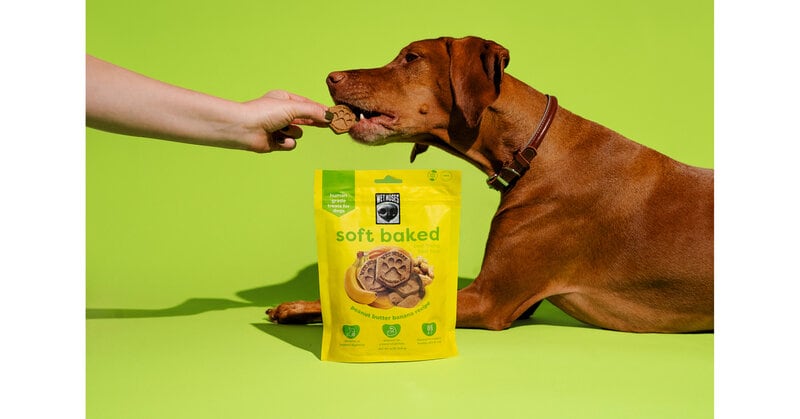
Wet Noses Expands Dog and Cat Food Manufacturing
Expanded co-manufacturing capacity supports faster product development across treats and complete meals for emerging and established pet brands.
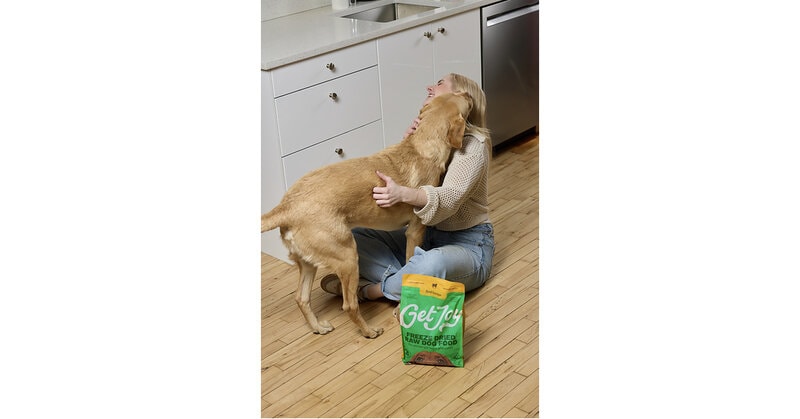
Get Joy Connects Pet Care With Personal Well-Being
Premium nutrition brands can differentiate through wellness ecosystems that position feeding as part of a broader daily routine for both pets and owners.
Workshop question
How could your brand turn a routine purchase into a flexible care system that customers can upgrade over time?
Trajectory
Latest reading 6.9 for the week of Nov 16, 2026. Holding over the final 3 scored weeks (±0.0), at its peak of 6.9. Momentum 4.8/10, persistence 2.5/10, backed by 4 research findings.
Research
Fresh Pet Upgrade
Pet owners are applying food-quality heuristics from their own diets to what they buy for animals.
Fresh, frozen and freeze-dried formats matter because they make quality feel visible and intuitive, offering a more emotionally satisfying way to show care than conventional bagged kibble alone.
Pet Private Premium
Pet owners increasingly refuse the old trade-off between affordability and care.
They want products that feel elevated enough to signal love and responsibility, but accessible enough to fit real household budgets, creating space for premium benefits under private-label economics.
Pet Format Mix
Pet owners want feeding options that flex with budget, ritual, and perceived care quality.
New formats let them trade up selectively—adding toppers, mixing hybrid diets, or using subscriptions—without fully committing to the highest-cost regimen every time. This matters because format diversification lets brands capture premium intent in more modular ways, widening the funnel for wellness-led pet spending.
Performance Pet Premium
Pet owners increasingly see feeding as a daily lever for extending vitality and avoiding future health issues, not just meeting a minimum need.
Performance-style claims help them feel proactive and informed, especially when veterinary care is expensive and preventive action feels emotionally responsible. This matters because pet brands can justify premium prices when food becomes a visible part of a broader longevity and care narrative.