Category
Fashion
Expert Glamour
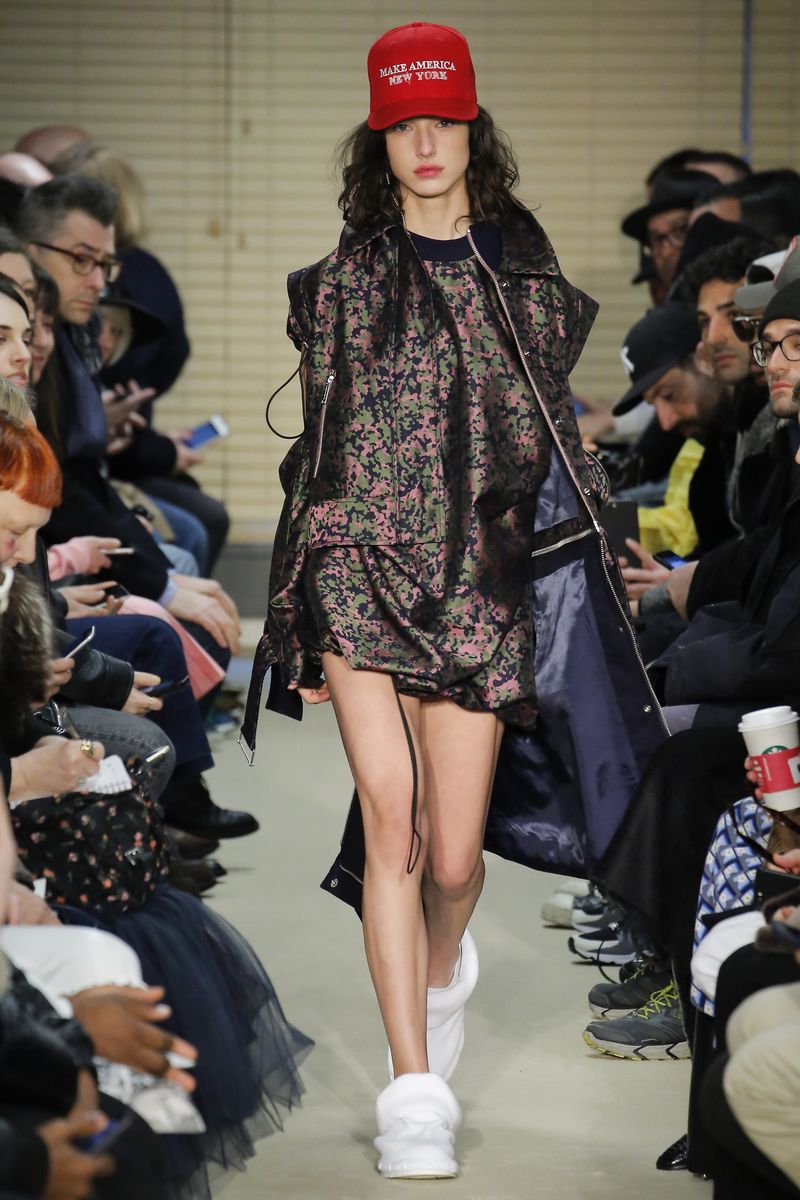
High fashion designers use the runway to make political statements.
What's Happening
Runway Revolt: With political uncertainty being more prevalent in the past few years than it has been in a while, fashion designers are channeling political statements into their runway shows. As fashion has long been used to propel social and political causes on a grassroots level, its appropriation into high fashion reveals the need for brands to reflect consumer desires, rather than making futile attempts to shape them.
Evidence
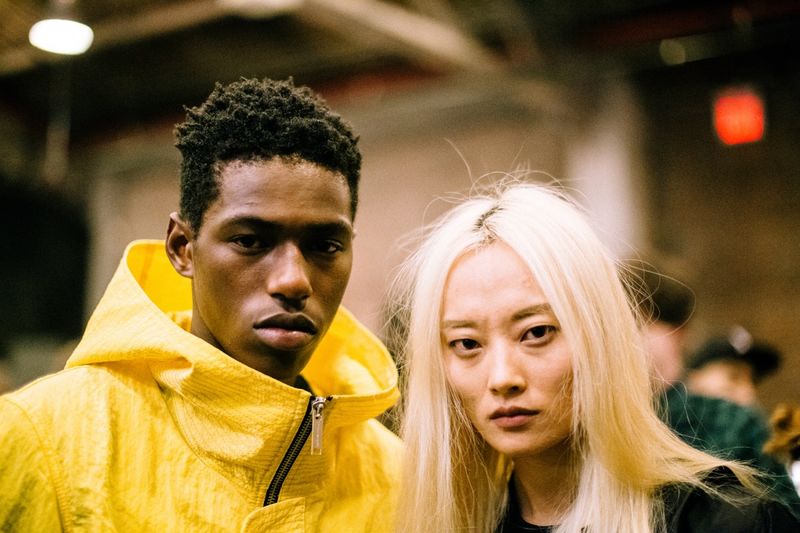
The Public School Ready-to-Wear Styles Make Statements with Fashion
Disruptive innovation opportunity: Introduce smart textiles and wearable technology into the fashion industry to create interactive and technologically advanced clothing.
This Unconventional Collection Makes a Statement on Today's Politics
The fashion industry has an opportunity to embrace politically charged collections and art to make a statement
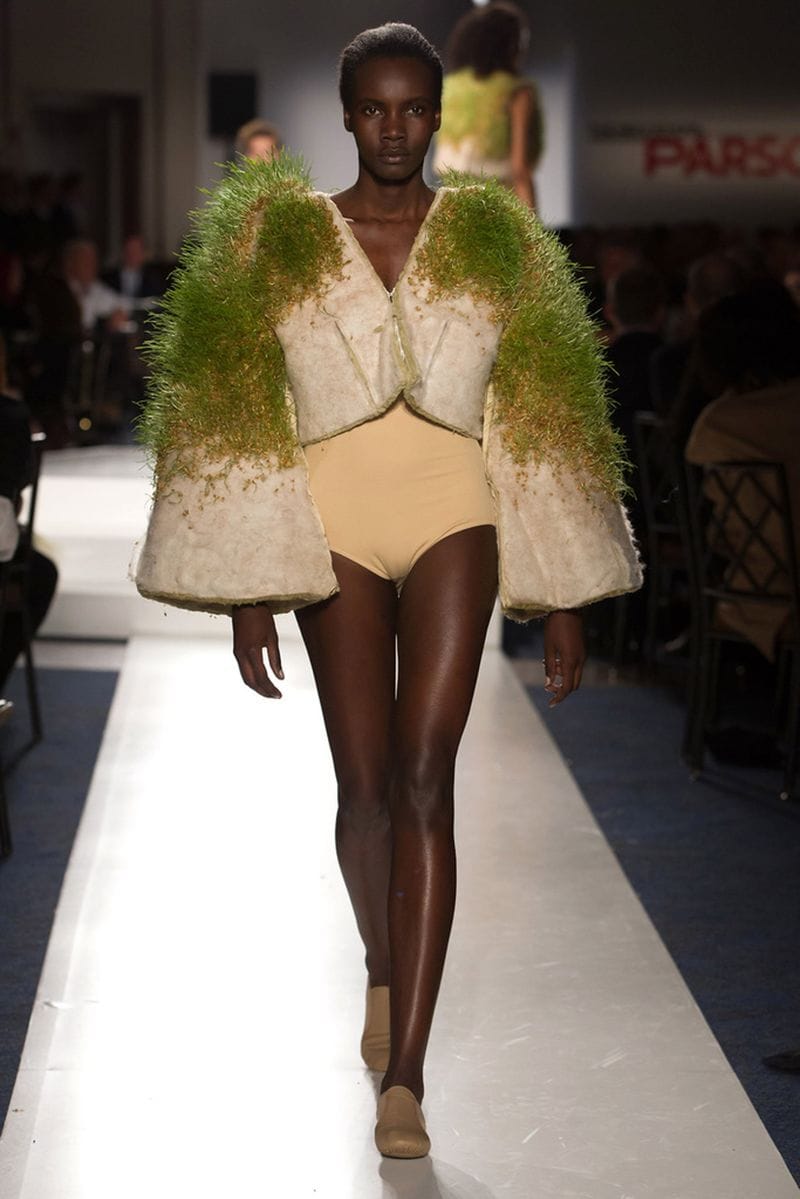
Jacob Olmedo's 'Wearable Garden' Combines the Human and the Natural World
The fashion industry can explore incorporating living gardens into their designs as a way to make a statement about sustainability and environmental activism.
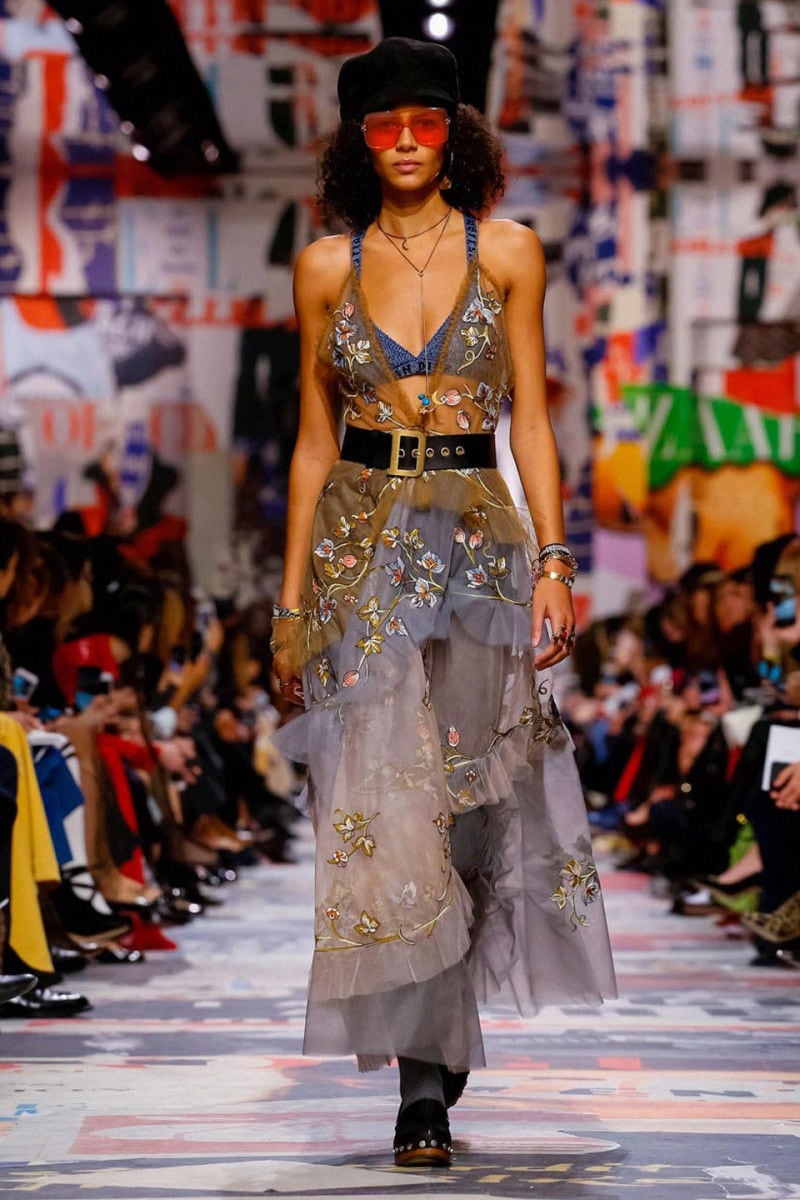
Dior's Fall/Winter 2018 Boasts Equality and Female Empowerment
Bringing socially-aware fashion to the forefront, opening up new markets for products that pride themselves on their environmental and social consciousness.
Workshop question
How can your brand meet consumer needs, rather than telling them what those needs are?
Trend signals
Trend score 5.4 out of 10, from popularity 75%, activity 80%, freshness 8%.
Trend themes
Fashion designers are using their runway shows as a means of political and social activism, aligning themselves with the values of their conscious consumers.
Designers are using natural materials and integrating green elements into their designs as a response to climate change and environmental activism.
Designers are using elements from historic activist movements, such as the late 60s, to inspire collections that promote social change and equality.
Industry implications
Fashion designers can align themselves with the political and social values of their conscious consumers by incorporating activism into their brand and runway shows.
Designers can promote climate change and environmental activism by integrating natural materials, green elements, and plant growth technology into their designs.
Campaign managers can learn from the use of activist fashion to promote political and social values and ideas, particularly during uncertainty and political upheaval.