Category
Fashion
Scaled Restraint
Fashion obsession is equated with madness as consumers covet high-end goods.
Trend
Unhinged Couture: The luxury goods market is expanding at an exponential rate on a global level, and this obsession is being equated by brands to fashion madness as editorials focus on asylums and sanitariums. This shift towards dark, edgier aesthetics relates to consumers through shock, treating goods as a guilty pleasure they must attain.
Trend themes
Luxury brands are equating fashion obsession with madness as a way to play on shock value and treat goods as guilty pleasures.
Fashion editorials and campaigns are tapping into the edgier and darker aesthetics of insane asylums as a new backdrop to showcase luxury goods.
A new trend in fashion advertisements is emerging as a call to embrace the playful and quirky sides of consumers, even in the fall season.
Industry implications
Fashion retailers can take advantage of the trend towards insanity and edgier aesthetics to create and showcase collections that cater to the dark yet playful side of consumers.
Luxury goods companies can market their products as guilty pleasures to consumers with a growing obsession with high-end fashion.
Cosmetic brands can incorporate the edgy and wild beauty looks seen in asylums photography fashion editorials to appeal to consumers looking for bold and unconventional makeup styles.
Trend signals
Trend score 4.9 out of 10, from popularity 56%, activity 84%, freshness 8%.
Evidence
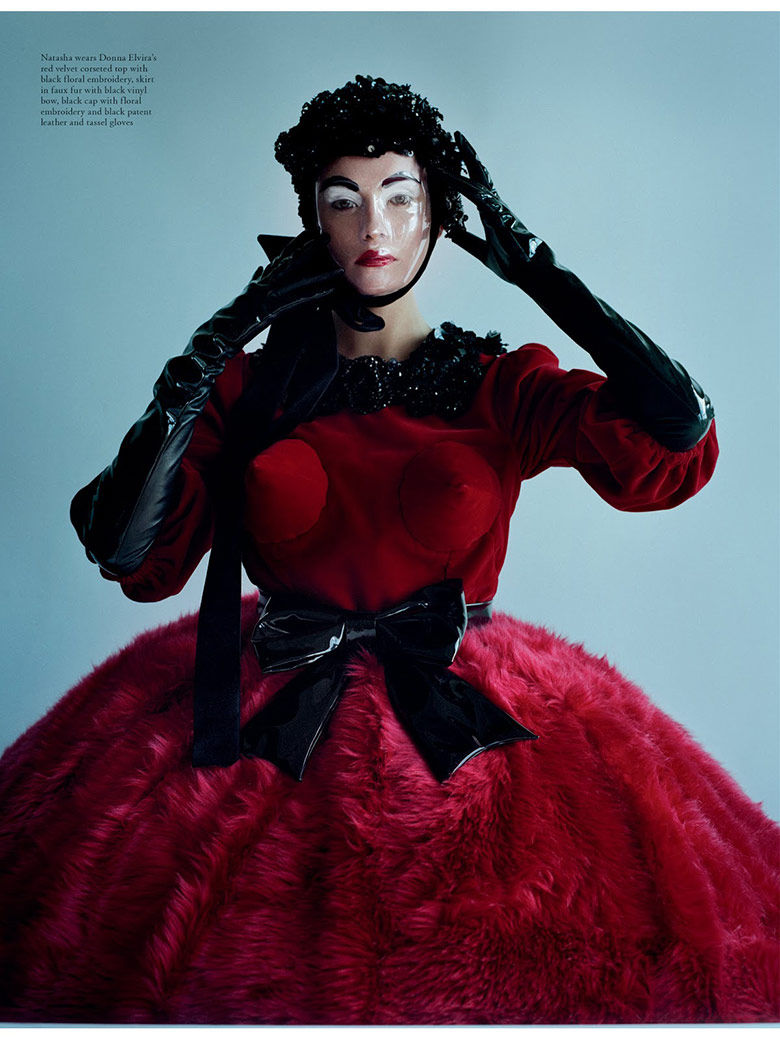
Tim Walker Shoots Insanity for Love Magazine Spring/Summer 2014
The disruptive innovation opportunities in the fashion industry include creating avant-garde designs inspired by porcelain figurines and experimenting with unconventional makeup a…
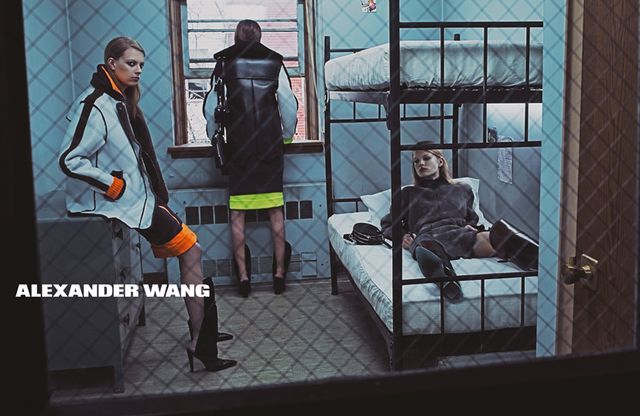
The Alexander Wang Fall/Winter 2014/2014 Ads Feature Prison Cells
Luxury brands can use unconventional environments and styles in their fashion campaigns, such as an insane asylum, to differentiate themselves in the market and attract attention…
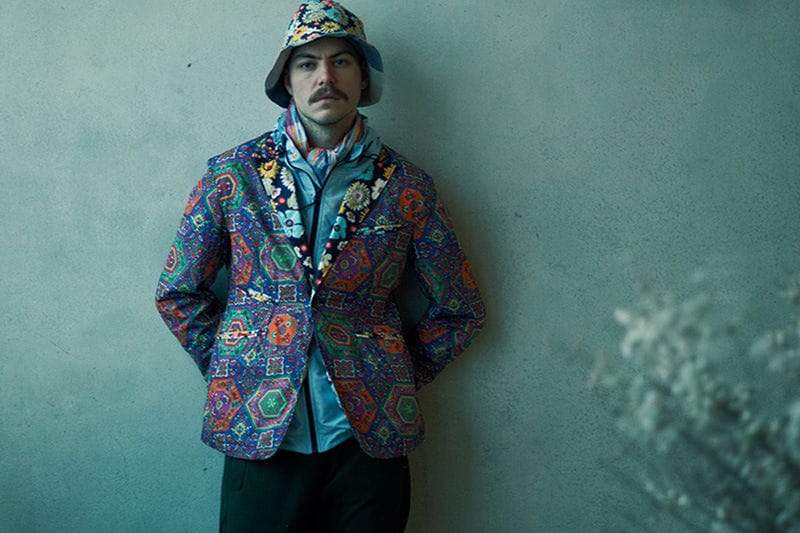
The NEPENTHES 'Out Dust Rial' Catalog is Full of Bold Prints
Innovative photography and design trends in menswear fashion leading to new sales opportunities and ways to stand out in a crowded market.
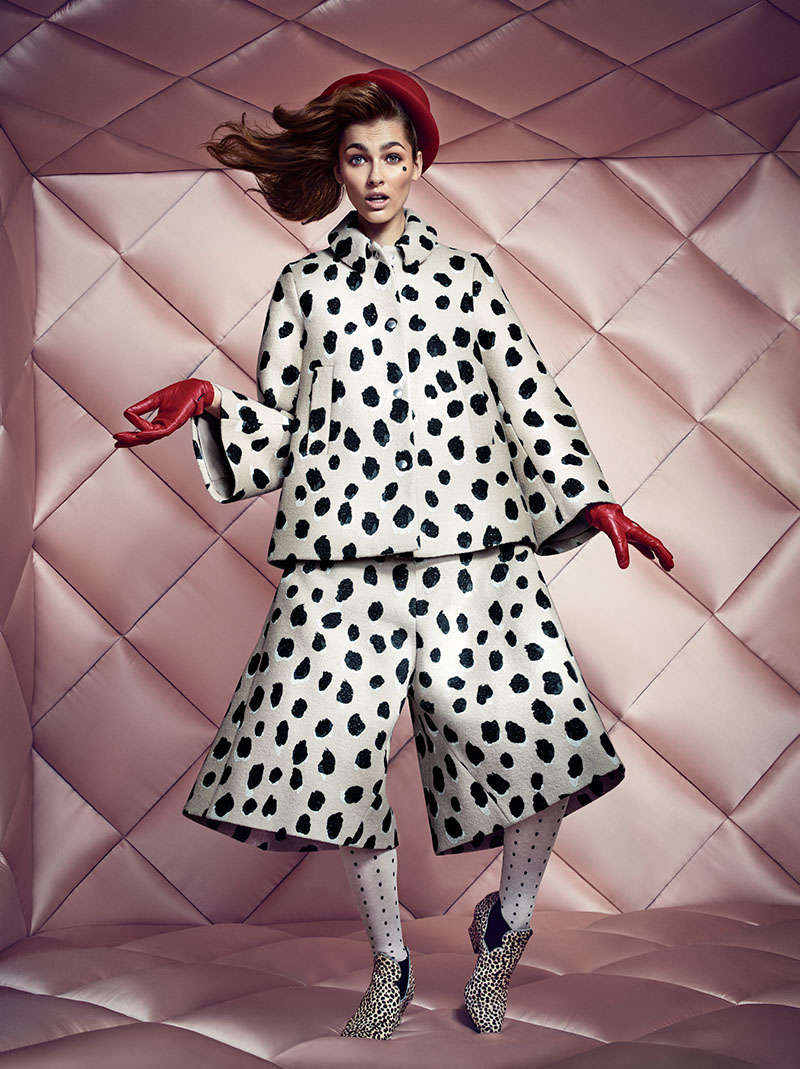
The NK Fall 2013 Campaign Stars Model Vika Volkute
Disruptive innovation opportunities lie in incorporating quirkiness and playfulness into fashion advertising campaigns.