Category
Tech
Embedded Intelligence
Business tech tools enable immersive content displays for greater enagement.
Trend
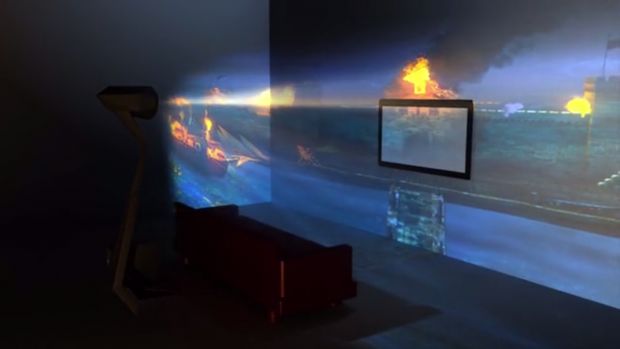
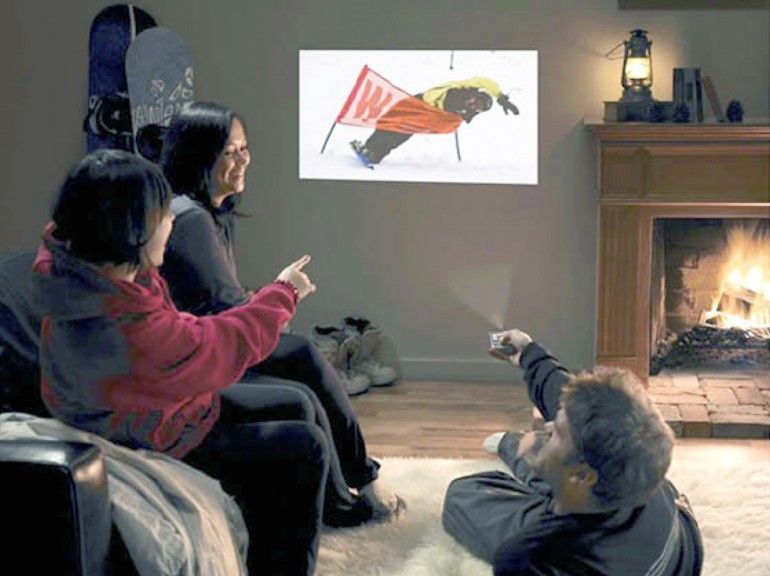
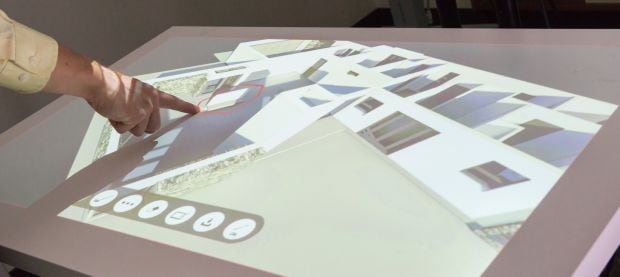
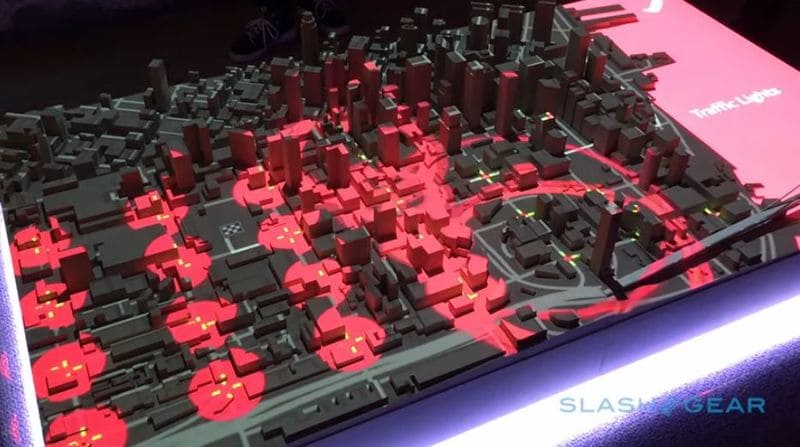
Projected Presentation: Business presentations are moving away from one-dimensional presentations towards immersive, tech-enabled projections. Displaying content in an engaging, virtual manner suits the techification of society. More specifically, this approach is best for the Millennial generation, which appreciates all things augmented.
Trend themes
Immersive projectors enhance engagement and provide a new way to present and experience content.
Virtual reality projectors provide an immersive 3D experience, opening new doors for entertainment and business presentations.
Projecting touchscreens onto any surface transforms the way businesses and educational institutions present information.
Industry implications
The use of advanced technology enhances the way content is presented by transforming it into immersive and engaging experiences.
Immersion and virtual reality technology can revolutionize the entertainment industry by providing unique experiences for consumers.
Technical advancements in projection technology can provide exciting new opportunities for businesses to enhance their presentations and increase engagement.
Workshop question
Trend signals
Trend score 3.5 out of 10, from popularity 66%, activity 31%, freshness 8%.
Evidence
Immersis Creates a 180 Degree Viewing Experience for Users
Immersive VR projectors can help create more immersive and interactive experiences in the entertainment industry, from movies to gaming.
The MagicOn Ayane Phone Can Project Images and Videos onto Walls
The integration of pico projectors into smartphones creates opportunities for innovation in the consumer electronics industry.
Ubi Interactive's J2GO System Turns Any Surface into a Touchscreen
Ubi Interactive's touchscreens can be used in digital signage applications, providing a unique and interactive way to engage with customers.
Here Translates Big Data Through 3D Mapping Tools
The use of spatial branding techniques to create immersive experiences and connect with audiences in physical spaces.