Category
Life-Stages
Constructible Franchises
Parents turn to toy-like school supplies to make back to school more appealing.
Trend
Playful Preparation: New, thrilling features and clever design are being used to create school supplies that add more value than just functionality. Appealing to kids' creative sides, these tools speak to a more liberal approach to education, and increased importance placed on entertaining children throughout the teaching process.
Trend themes
School supplies with exciting features and creative design are being used to create a learning environment that encourages creativity and liberal education.
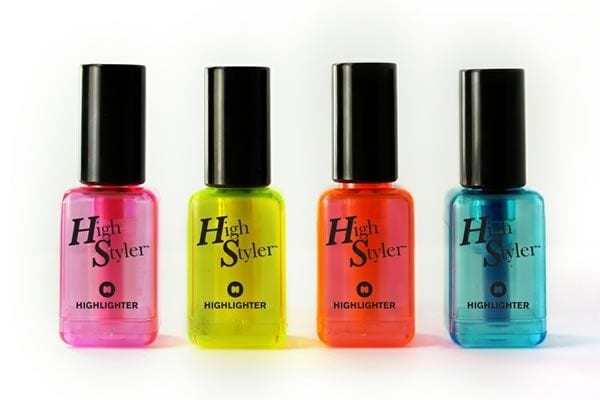
Innovative writing tools designed to mimic makeup, such as faux-lipstick highlighters and polish-mimicking markers, provide a fun and quirky alternative to traditional school supplies.
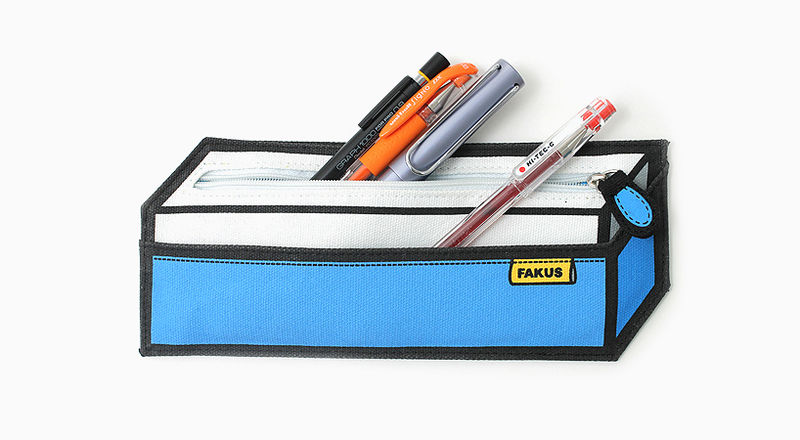
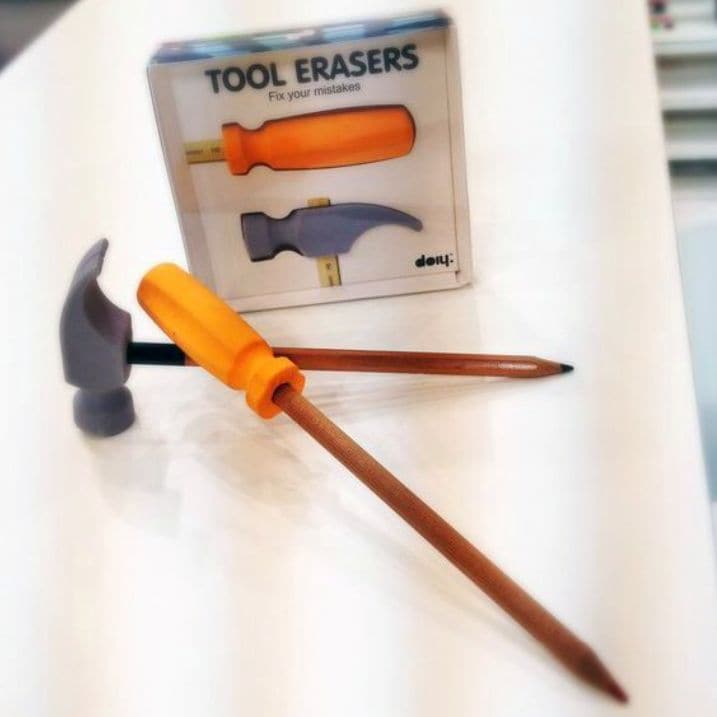
Accessories such as optical illusion pencil-cases, superhero backpacks, and tool-like erasers offer school-goers a quirky and unique take on traditional school supplies.
Industry implications
Suppliers of fun and stimulating school supplies can cater to the changing attitudes towards education.
Companies that produce creative and visually interesting stationery can capture the attention of consumers looking for a break from traditional school supplies.
Suppliers who diversify their offerings into the toy arena can find a profitable niche market in school-aged children.
Trend signals
Trend score 2.1 out of 10, from popularity 33%, activity 22%, freshness 8%.
Evidence
The HighStyler Highlighters are the Perfect Classroom Prank
Manufacture and distribute innovative stationery products for consumers seeking unique and entertaining options.
The Fakus Pencil Case Appears 3D
Design and production of unique and playful-looking stationery items.
These Fun School Accessories are Great Tools for Your Pencil Case
The stationery and office supplies industry has an opportunity to create more innovative, fun and functional school accessories.
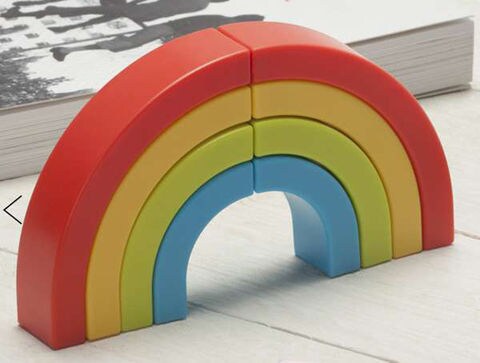
This Rainbow Highlighter Celebrates This Year's World Pride Event
Disruptive innovation opportunity: Integrate scented inks into rainbow-themed stationery products for a sensory experience.
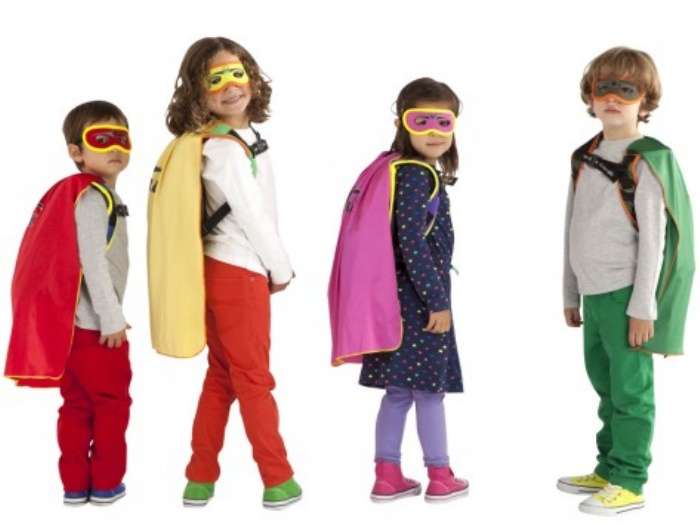
The SuperME Backpack Cape Makes Going Back to School Feel Heroic
Incorporating superhero-inspired designs and features into backpacks can create a niche market within the children's accessories industry.
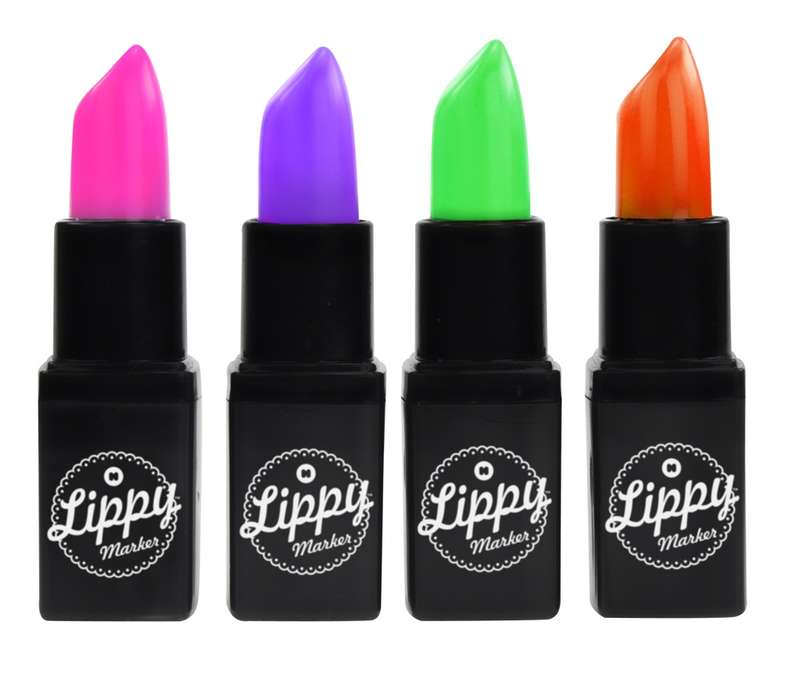
Lipstick Markers Color Your World With Fake Makeup Madness
Creating innovative tools and products that facilitate creative expression and fun can attract new customers to the cosmetics industry.